




The Hidden Damage in Your Hair Tie
Tying your hair up should be simple, but the wrong accessory can cause quiet damage. Traditional elastic hair ties, especially those with metal clasps or made from rough materials like cotton, are a common source of mechanical stress on hair. They create
friction that lifts and roughens the hair's cuticle, leading to frizz, tangles, and split ends. The constant tension required to hold a style in place can pull on the hair shaft, causing strands to snap. Over time, this repeated stress can lead to noticeable breakage around the ponytail line and even contribute to hair thinning, a condition known as traction alopecia. If you’ve ever noticed a collection of broken hairs on your elastic after taking it out, you’ve seen this damage firsthand.
Why Silk is Your Hair's Best Friend
This is where silk scrunchies change the game. Unlike cotton, which has a textured surface that grips and pulls, silk is exceptionally smooth. Its surface allows hair to glide without snagging, dramatically reducing friction and preventing the cuticle damage that leads to breakage and frizz. Furthermore, cotton is highly absorbent and can strip natural oils and moisture from your hair, leaving it dry and brittle. Silk, on the other hand, is far less absorbent, helping your hair retain its natural hydration and shine. Some studies have even shown that cotton can create over 50% more friction on hair than silk. This makes silk an ideal choice, especially for hair that is dry, color-treated, curly, or prone to damage.
The Chignon: An Elegant Protective Style
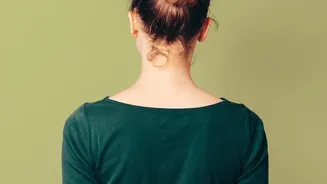
The chignon, a classic bun worn low at the nape of the neck, is more than just a sophisticated hairstyle; it’s an excellent way to protect your ends. By tucking the ends of your hair away, you shield them from the friction and environmental stressors they would normally face when worn down. This makes it a perfect protective style. However, the benefits are maximized only when secured correctly. Using a tight, abrasive elastic can negate the protective qualities of the style by creating a single, harsh pressure point. A silk scrunchie distributes this pressure more evenly and gently, holding the hair securely without the damaging tension. This combination turns a simple chignon into a powerful tool for maintaining hair health.
How to Create a Protective Chignon
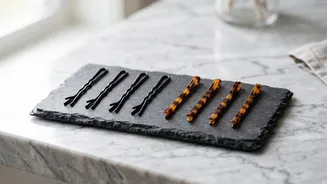
Creating a beautiful, hair-friendly chignon is easier than it looks. Start with second-day hair if possible, as it has more grip than freshly washed hair. 1. Gather your hair into a low, loose ponytail at the nape of your neck and secure it with a silk scrunchie. Don't pull it excessively tight; the goal is gentle security.2. Twist the length of the ponytail into a rope.3. Coil the twisted ponytail around the base, forming a bun shape. Be sure to keep the coil relaxed rather than pulling it tight against your scalp.4. Tuck the ends of your hair underneath the bun and secure them. For extra hold without adding tension, use a few bobby pins placed vertically into the base of the chignon.The result is an elegant updo that holds securely while keeping your delicate ends tucked away and protected from damage.
Reusing and Caring For Your Scrunchies
One of the best parts of investing in quality silk scrunchies is their reusability. To keep them clean and effective, regular washing is recommended to remove product buildup and natural oils. The best method is to hand wash them. Simply fill a basin with cool or lukewarm water and add a few drops of a gentle, silk-friendly detergent. Submerge the scrunchies and gently agitate the water for a few minutes, avoiding any harsh rubbing or twisting. Rinse them thoroughly with cool water, gently squeeze out the excess (do not wring them), and lay them flat on a towel to air dry away from direct sunlight or heat. With proper care, your silk scrunchies can last for years, making them a sustainable and hair-healthy choice.