

From Indulgence to a Balanced Approach
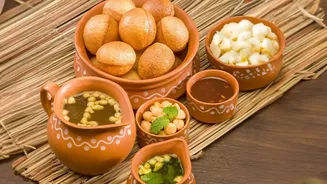
Traditionally, Indian festivals are synonymous with culinary excess—rich mithai, deep-fried snacks, and lavish meals are central to the celebrations. While the joy of these feasts is undeniable, the subsequent digestive distress has long been accepted
as part of the package. However, a noticeable trend is emerging. An increasing number of Indians, particularly younger generations, are no longer willing to sacrifice physical comfort for festive flavours. This move towards mindful indulgence is driven by a greater awareness of overall wellness, where gut health is seen as a cornerstone of well-being, influencing everything from immunity to mood. People are now actively seeking ways to enjoy the celebrations without the dreaded post-festival bloat, fatigue, and acidity.
Why Festive Food Wreaks Havoc
The typical festive diet can be a shock to the system. Foods high in sugar, unhealthy fats, and refined flour can disrupt the delicate balance of your gut microbiome—the trillions of bacteria living in your digestive tract. This imbalance can lead to symptoms like gas, bloating, constipation, and general sluggishness. Irregular meal times, late-night parties, and reduced physical activity during this period further compound the issue. The stress of festive preparations can also negatively impact digestion. Overindulgence, especially in sugary sweets and alcohol, suppresses beneficial gut bacteria and can lead to inflammation, making you feel less than your best.
Smart Prep: Building a Resilient Gut
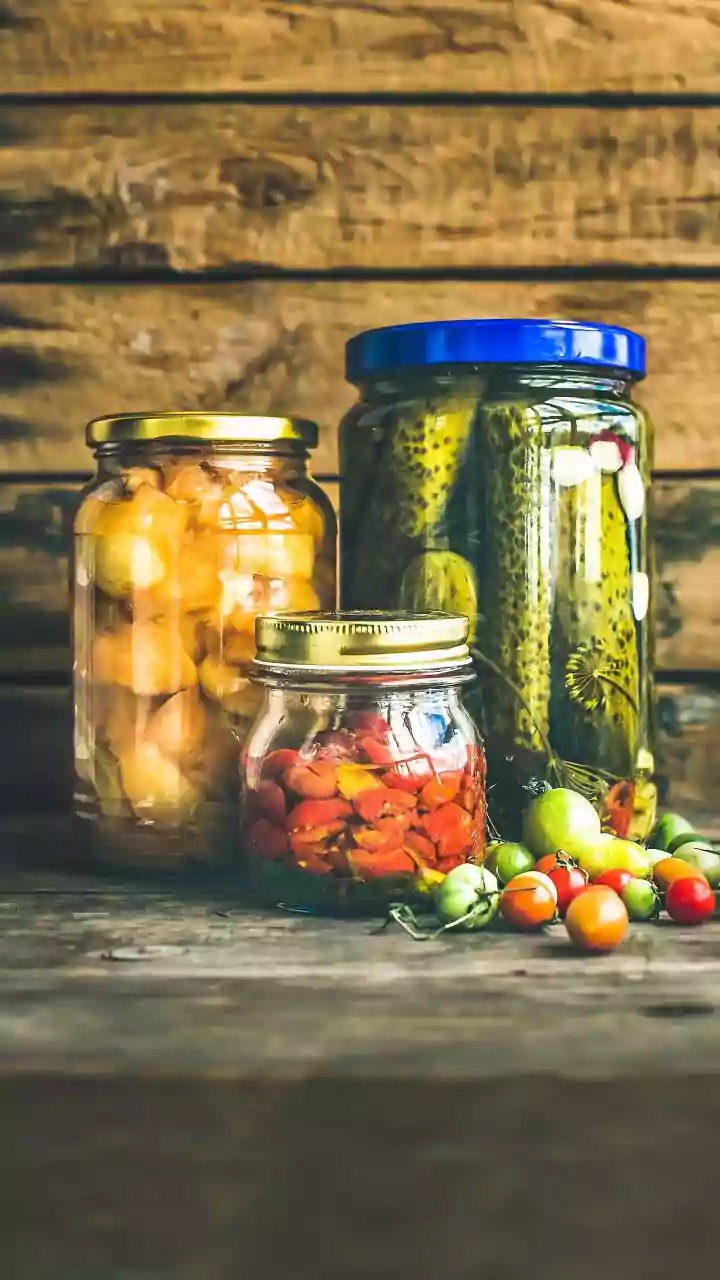
The key to a comfortable festive season isn't restriction, but preparation. Start by strengthening your gut before the main events. Incorporating probiotic-rich foods is an excellent strategy. Probiotics are beneficial bacteria that support a healthy digestive system. Traditional Indian staples like homemade dahi (curd) and chaas (buttermilk) are fantastic sources. You can also include fermented foods like idli, dosa, and dhokla. Pair these with prebiotics—types of fibre that feed your good gut bacteria. Foods like bananas, onions, garlic, and whole grains are great prebiotic sources. Staying well-hydrated by drinking plenty of water is also crucial for preventing constipation and keeping your digestive system running smoothly.
Navigating the Feast Mindfully
When the celebrations are in full swing, mindful eating is your best friend. Instead of skipping meals to "save" calories for a big feast—a strategy that often leads to overeating—have a small, balanced meal beforehand. A protein-rich snack like almonds or a bowl of curd can curb your appetite and help you make better choices. At the party, practice portion control. Use a smaller plate and survey all the options before filling it. Priorise protein and fibre by loading up on salads, dal, and paneer before reaching for the treats. And most importantly, eat slowly. Chewing your food thoroughly and savouring each bite aids digestion and helps your brain register when you're full.
The Post-Festive Reset
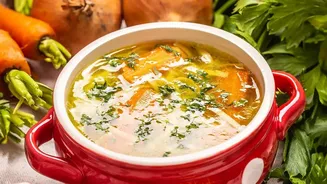
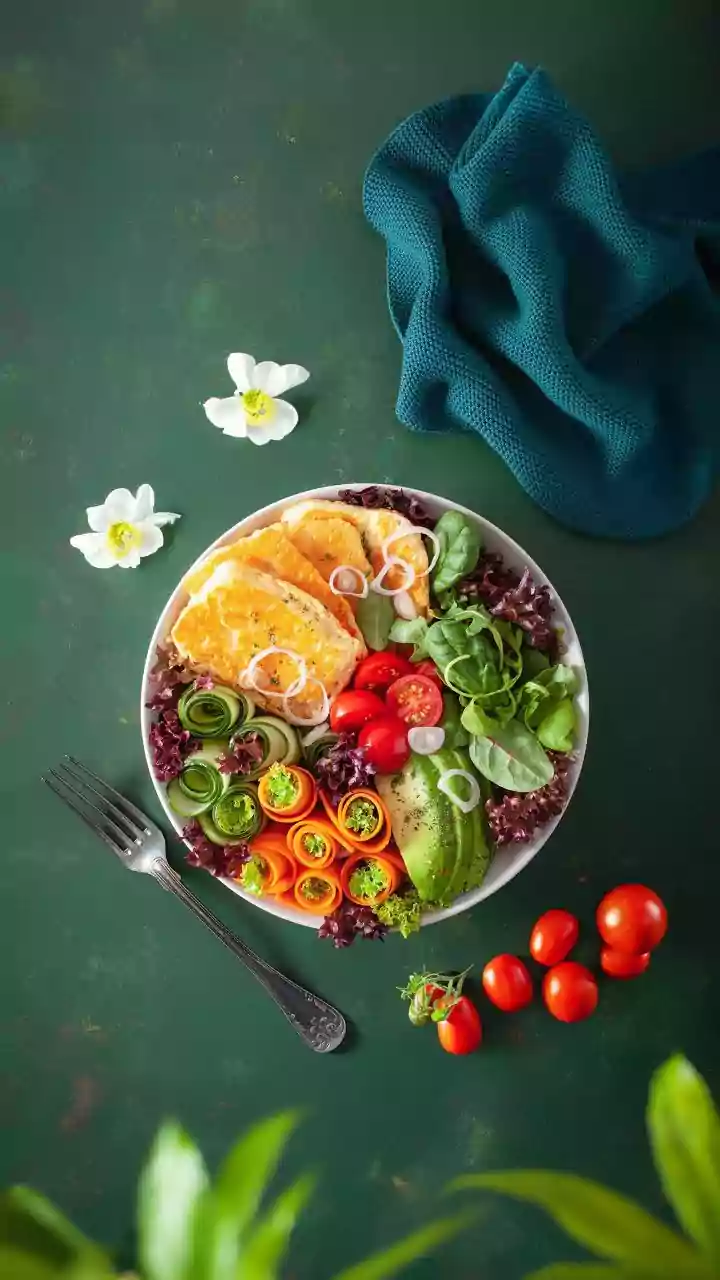
After a period of indulgence, it's important to help your system reset. Avoid the temptation to engage in extreme fasts or detoxes. Instead, gently guide your body back to its routine. Focus on light, nutrient-dense meals like khichdi, soups, and steamed vegetables. These give your digestive system a much-needed break. Rehydrate with water, coconut water, or herbal teas like ginger or peppermint, which can soothe the stomach. Probiotic foods like dahi and chaas can help rebalance your gut flora after an onslaught of sugar and rich food. Gentle physical activity, such as a 15-minute walk after meals, can also aid digestion and reduce bloating.