






A Tradition of Comfort
The connection between the monsoon and food is deeply ingrained in Indian culture. The aroma of petrichor is invariably linked with the sizzle of pakoras, the warmth of a masala chai, or the simple joy of a roasted bhutta. This seasonal culinary ritual
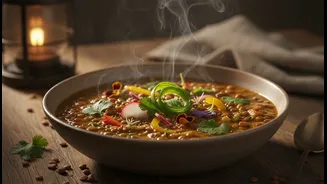
is a shared experience, a nostalgic comfort that cuts across regions and generations. For decades, these cravings were satisfied at home, with family recipes passed down through the years. Meals were designed to be warming and aid digestion, aligning with Ayurvedic principles that advocate for lighter, spiced foods during the humid months to boost immunity and metabolism. This tradition of seasonal eating is now being embraced and reimagined in a commercial setting, moving from home kitchens to the forefront of the dining scene.
The Modern Menu Makeover
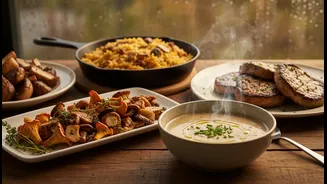
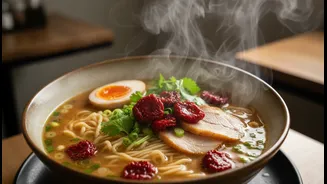
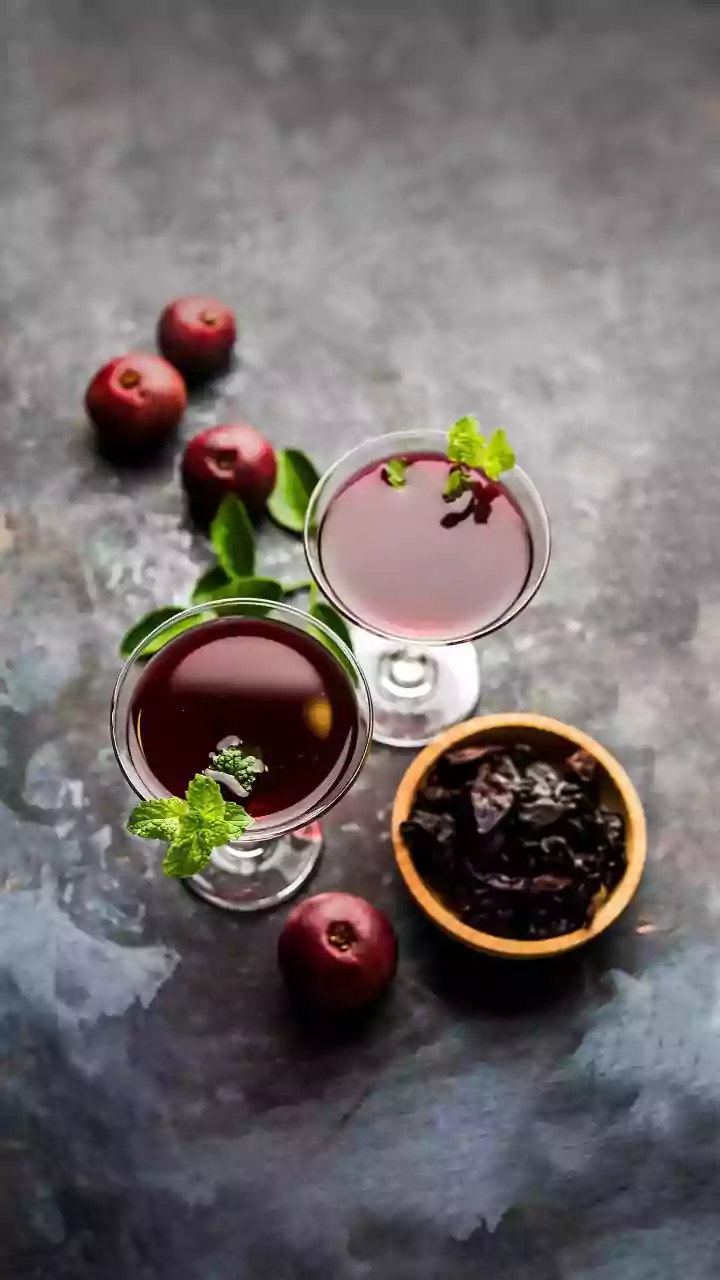
Chefs and restaurateurs are recognizing that the monsoon offers a unique opportunity to innovate while still honouring tradition. Instead of just offering the usual suspects, many establishments are launching limited-edition monsoon menus that present regional classics with a contemporary twist. In Mumbai, one restaurant offers a 'Thecha Paneer Pizza' and another serves a 'Jamun Chaat Tart', blending familiar monsoon ingredients with modern formats. This isn't just about fusion for its own sake. It's about reinterpretation. Menus feature everything from Punjabi comfort foods like Chicken Pakode and Satpura Chaat to comforting Japanese and Korean hot pots. Some chefs are focusing on healthier alternatives, with a rise in grilled or air-fried versions of traditionally deep-fried snacks, catering to a more health-conscious audience. These creative menus generate buzz and offer diners a reason to step out, even on the rainiest of days.
A Gateway to Regional Flavours
Perhaps the most significant impact of these monsoon menus is their role in popularizing hyper-regional cuisines. For years, mainstream restaurant offerings were often limited to a standard selection of North Indian or pan-Asian dishes. Now, diners are showing a growing curiosity for authenticity and are keen to explore the culinary diversity of their own country. Special menus focused on a particular season act as a perfect gateway. A monsoon food festival in Bengaluru celebrates Telugu culinary heritage with dishes like Nellore Chepala Pulusu and Gongura Mamsam. In Goa, chefs highlight seasonal delicacies like Patolis—steamed rice pancakes in fresh turmeric leaves—that are rarely found on year-round menus. These focused offerings allow restaurants to tell a deeper story about a specific region's ingredients and culinary traditions, which might be too niche for a permanent menu but are perfect as a limited-time special.
Capturing the Youth Imagination
This culinary revival is resonating strongly with younger, digitally-savvy diners. This generation, often called Gen Z, is increasingly driven by a search for identity and cultural roots. While they are exposed to global trends, there is a parallel movement towards embracing what is local and authentic. Monsoon menus, with their novel dishes and Instagram-worthy presentations, fit perfectly into this dynamic. The 'limited edition' nature of these menus creates a sense of urgency and exclusivity, encouraging diners to visit and share their experiences online. This trend is part of a larger movement dubbed "Nani-Core," where grandmother-style recipes are being rediscovered and celebrated by young people. By presenting regional food in a modern, accessible, and exciting context, restaurants are successfully making heritage cool and ensuring that these culinary traditions are passed on to the next generation.