




Your Brain's Invisible Enemy
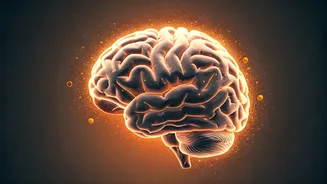
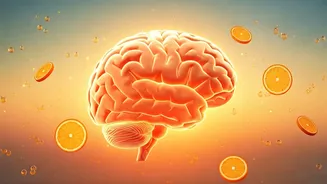
Imagine your brain as a bustling city, constantly working. This hard work generates by-products, much like pollution. In our bodies, this 'pollution' is called oxidative stress. It’s caused by unstable molecules called free radicals, which can damage
cells, including the delicate neurons in our brain. Over time, this cumulative damage is thought to contribute to cognitive decline and age-related brain fog. While a certain amount of oxidative stress is normal, factors like pollution, poor diet, and stress can accelerate it, putting our long-term brain health at risk.
Vitamin C: The Antioxidant Protector
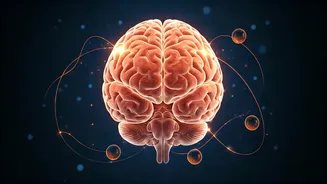
This is where Vitamin C, also known as ascorbic acid, steps in. It's one of nature's most potent antioxidants. Its main job is to neutralise free radicals before they can cause harm. Think of it as a security guard that patrols your body, disarming threats. What's fascinating is that the brain actively accumulates Vitamin C, maintaining concentrations far higher than in the rest of the body. This suggests it plays a crucial role in protecting this vital organ. By fighting oxidative stress, Vitamin C helps maintain the integrity of our neurons and supports overall brain function.
What the Science Suggests
While we can't say Vitamin C is a 'cure' for brain ageing, the evidence is compelling. Multiple studies have linked higher blood levels of Vitamin C with better performance on cognitive tasks like memory, attention, and decision-making. Some research also indicates that individuals with adequate Vitamin C levels may have a lower risk of experiencing cognitive decline. For example, a large-scale study published in the journal 'Nutrients' found that Vitamin C deficiency was associated with cognitive impairment. It’s important to note that these studies often show a correlation, not direct causation. Still, the consistent pattern suggests a strong protective relationship between this vitamin and our brain.
More Than Just a Brain Booster
The benefits of Vitamin C don’t stop at the brain. It's a true multi-tasker for our health. We all know it's essential for a robust immune system, helping our body fight off infections. It’s also vital for collagen production, which keeps our skin firm and our joints healthy. Furthermore, it aids in the absorption of iron from plant-based foods, a crucial benefit for many Indian diets that are rich in lentils and greens. So, by ensuring you get enough Vitamin C for your brain, you're also supporting your skin, immunity, and overall vitality.
Your Daily Dose From Indian Kitchens
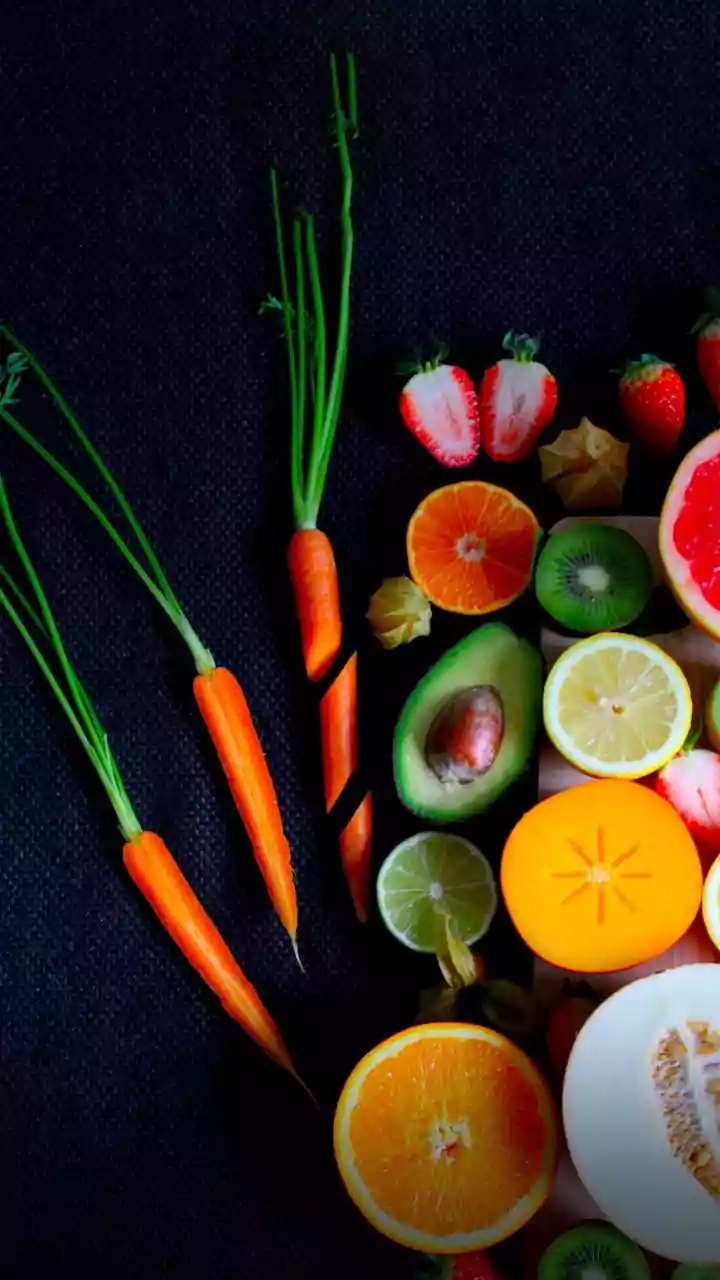
The good news is that you don't need exotic or expensive foods to get your fill of Vitamin C. It’s abundant in our everyday diet. The undisputed champion in India is Amla (Indian gooseberry), which packs an incredible amount of Vitamin C in a small package. Guavas are another powerhouse. Other excellent sources include citrus fruits like oranges, lemons (nimbu), and sweet limes (mosambi), as well as bell peppers (capsicum), tomatoes, leafy greens like spinach, and potatoes. A simple glass of nimbu pani, a side of tomato salad, or including amla in your chutneys are easy ways to boost your daily intake naturally.
Food First, Supplements Second?
With so many supplements on the market, it can be tempting to just pop a pill. However, most experts agree that it's best to get your nutrients from whole foods. Fruits and vegetables contain a complex mix of fibre, vitamins, and other beneficial compounds (phytonutrients) that work together in a way that a supplement can't replicate. A balanced diet should provide all the Vitamin C you need. Supplements might be helpful for people with specific deficiencies or health conditions, but it's essential to talk to a doctor before starting any new supplement regimen, as very high doses can have side effects.