





A New Thread of Tradition
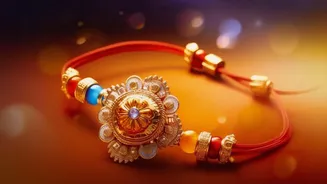
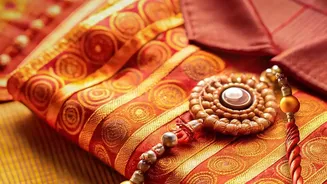
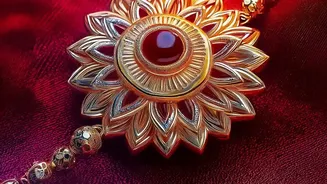
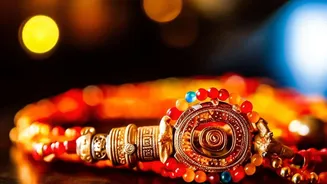
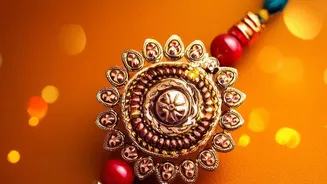
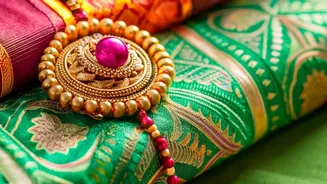
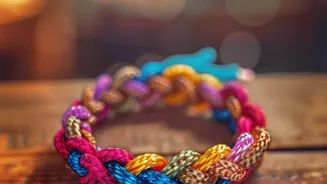
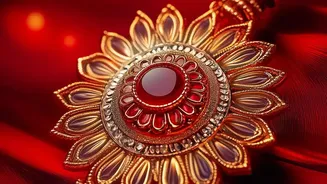
The familiar sight of markets brimming with colourful rakhis has a new addition this year: sustainable options are taking centre stage. Growing environmental awareness is influencing festive shopping decisions, with families consciously choosing products
that are beautiful, traditional, and kind to the planet. This trend moves away from rakhis made with non-biodegradable materials like plastics and synthetic dyes, which often end up in landfills after a single day's use. Instead, consumers in 2026 are looking for meaningful alternatives that align with their values, turning a cherished ritual into an opportunity for responsible celebration.
The Rakhi That Grows with Your Bond
Among the most popular eco-friendly options are plantable seed rakhis. These innovative rakhis are crafted from biodegradable materials like recycled paper, clay, or cotton, and embedded with seeds of flowers, herbs, or vegetables. After the festival, instead of being discarded, the rakhi can be planted in soil. As the plant grows, it serves as a living, lasting reminder of the sibling bond, transforming a one-day celebration into an enduring connection with nature. This concept has resonated deeply with environmentally conscious families who want to create memories, not waste. The options are diverse, ranging from sunflower and marigold to tomato seeds, promoting greenery long after the festivities are over.
The Rise of Handcrafted Gifts
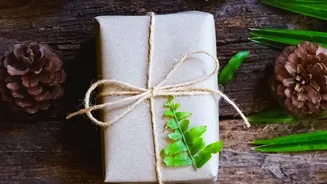
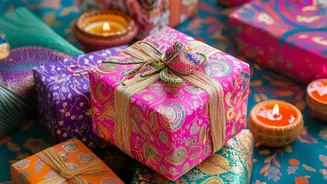
The trend extends beyond just the rakhi itself to the tradition of gift-giving. There is a growing preference for handcrafted items over mass-produced goods. These gifts—whether they are handloom textiles, terracotta planters, reclaimed wood decor, or artisan jewellery—carry a story of craftsmanship and uniqueness. Choosing a handcrafted gift is seen as a way to give something more personal and thoughtful. It also directly supports India's vast community of local artisans, many of whom are women, helping to preserve traditional skills and boost local economies. This shift reflects a desire for authenticity and a connection to the maker, values that are increasingly defining premium gifting.
The Conscience Behind the Choice
So, what is driving this significant trend? It's a blend of two powerful motivators: environmental responsibility and social consciousness. Consumers are more aware than ever of the problems of plastic pollution and waste generated during festivals. They are actively seeking ways to celebrate without harming the planet. Simultaneously, there's a strong and growing movement to 'buy local' and support small businesses and artisans. Handcrafted items are valued not just for their beauty, but because they represent a vote for fair wages, traditional art forms, and a more equitable economy. This conscious consumerism allows people to express love for their siblings and their community at the same time.
Redefining the Spirit of Raksha Bandhan
Ultimately, the trend towards eco-friendly rakhis and handcrafted gifts is about redefining what it means to celebrate Raksha Bandhan in the modern world. The festival's core message of love and protection is being expanded to include protecting the environment and supporting communities. By choosing a plantable rakhi or a handmade gift, people are making a statement that their celebrations can be both deeply traditional and progressively mindful. It's a powerful fusion of past and future, ensuring that one of India's most cherished festivals can be celebrated with joy, meaning, and a clear conscience for years to come.