



The Foundation: Smart Vrat Nutrition
Observing the Sawan fast doesn't have to mean feeling drained or resorting to unhealthy fried foods. The key is mindful eating. Nutritionists emphasize staying well-hydrated by drinking plenty of water, coconut water, and milk throughout the day. Thirst
is often mistaken for hunger, so hydration is your first line of defense against fatigue. Secondly, focus on portion control. Many traditional fasting foods like sabudana and potatoes are high in carbohydrates. While they provide energy, overeating can lead to bloating and weight gain. Balance your meals by including a source of protein like paneer or nuts to promote satiety and keep you fuller for longer. Finally, opt for healthier cooking methods. Instead of deep-frying, try roasting, grilling, steaming, or air-frying your vrat meals to keep them light and easy to digest.
Energising Morning Meals
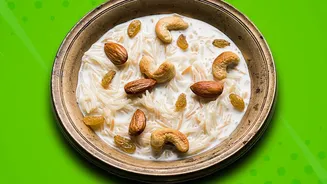
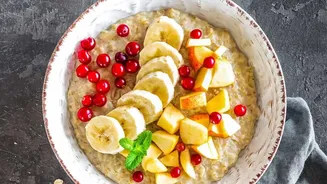
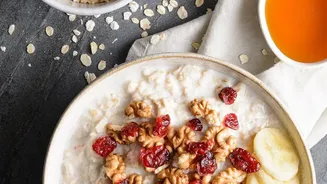
Starting your day right is crucial for maintaining energy levels while fasting. A power-packed morning meal should consist of fruits, dairy, and some complex carbohydrates. A simple fruit chaat with apples, bananas, and pomegranate provides essential vitamins and natural sugars. You can pair this with a handful of soaked almonds or walnuts for healthy fats and protein. Another excellent option is a glass of milk or a smoothie made with banana and almonds. For those who prefer a more substantial meal, a small bowl of rajgira (amaranth) porridge or makhana (fox nut) kheer can provide sustained energy without feeling heavy. Rajgira is a vrat-friendly flour rich in protein and fibre.
Wholesome Midday Meals
Your lunch during Sawan vrat should be filling yet light on the stomach. Samak rice, also known as barnyard millet, is a fantastic substitute for regular rice. You can prepare a simple samak rice pulao with vrat-friendly vegetables like potatoes and carrots, seasoned with sendha namak (rock salt) and cumin. Another classic choice is sabudana khichdi, made with soaked tapioca pearls, roasted peanuts, and potatoes. To make it healthier, use minimal ghee and load it up with peanuts for a protein boost. For a complete meal, pair a couple of kuttu (buckwheat) or singhara (water chestnut) puris or rotis with a simple lauki (bottle gourd) or aloo sabzi. These flours are gluten-free and provide steady energy.
Smart Snacking to Beat Slumps
The mid-afternoon energy dip is real, especially during a fast. Instead of reaching for packaged snacks, opt for healthy, homemade alternatives. Roasted makhana (fox nuts) are a perfect choice; they are low in calories and rich in protein and calcium. A mixed trail of dry fruits like almonds, walnuts, and raisins can offer a quick dose of energy and essential nutrients. A bowl of fresh curd or yogurt can be very satisfying and provides protein. You can also have a sweet potato chaat, made by boiling and cubing sweet potatoes and tossing them with rock salt and black pepper. Sweet potatoes are a source of slow-releasing carbohydrates that help you stay full for longer.
Light and Nourishing Dinners
Your last meal of the day should be easy to digest to ensure a restful night. A simple paneer tikka, marinated in curd and mild spices like cumin and black pepper, is a great high-protein option. You can lightly pan-grill or bake it. Another comforting choice is a light vegetable soup made with lauki or pumpkin. You could also have a simple sabzi like vrat wale aloo jeera or arbi, paired with a rajgira paratha. These meals are nourishing without being heavy, aligning with the sattvic principles of the Sawan diet. Traditionally, Ayurveda suggests that our digestive fire is weaker during the monsoon, making lighter meals a sensible choice.
What to Limit or Avoid
Just as important as what to eat is what to avoid. During Sawan, grains like wheat and rice, lentils, and regular table salt are traditionally excluded. Onions and garlic are also avoided as they are considered rajasic and tamasic, believed to interfere with spiritual focus. From a health perspective, nutritionists advise limiting deep-fried foods like pakoras and vadas, as well as overly sugary sweets and beverages. These can cause energy spikes and crashes, leaving you feeling tired. It's also wise to avoid or limit stimulants like coffee and tea, which don't align with the calming principles of a sattvic diet.