






The Original Workation: A Pandemic Reaction
The first wave of workations was largely a spontaneous reaction to the global shift to remote work during the pandemic. Suddenly untethered from the physical office, many professionals in India and around the world packed their laptops along with their swimsuits.
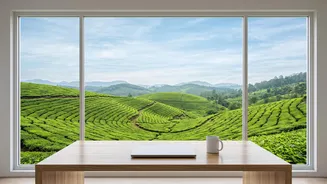
The idea was simple: if you can work from anywhere, why not work from a beach in Goa or a cabin in the Himalayas? This initial trend, often called 'bleisure' (a portmanteau of business and leisure), was about escaping the monotony of working from home. It was often characterized by short-term trips, where work was squeezed in between sightseeing or simply done with a better view. While beneficial, it was often a temporary fix—a way to find a change of scenery without using up precious leave.
Enter Workation 2.0: Travel with Intent
Workation 2.0 is a more deliberate and integrated approach to combining work and travel. It moves beyond the simple change of scenery to become a structured part of a flexible work lifestyle. This isn't about escaping the office for a week; it's about thoughtfully choosing a destination for a month or longer, allowing for deeper immersion into a local culture. Unlike the first wave, which was often a solo affair, Workation 2.0 involves more planning, from choosing locations with reliable digital infrastructure to aligning with time zones for meetings. It’s less of a vacation where you happen to work, and more of a lifestyle where travel and work coexist seamlessly. This new model is about designing your life, not just escaping it for a short period.
More Than a Holiday, Better Than Just Work
The primary benefit of this evolved model is the ability to have a more meaningful travel experience. Instead of a rushed, one-week highlights tour, a month-long stay in a place like Pondicherry or a quiet corner of Rajasthan allows you to live like a local. You can explore neighbourhood markets on weekdays, build a routine that includes both work and exploration, and form genuine connections. For employees, this slower pace of travel helps combat burnout and boosts creativity and productivity. Studies and employee reports consistently show that a change in environment sparks new ideas and increases job satisfaction. For employers, offering this flexibility has become a key tool to attract and retain top talent, with many workers now prioritising flexible policies. Companies in India like TCS and Paytm have embraced hybrid and remote models, setting the stage for such trends to grow.
The Rise of 'Flex-cationers' and Smart Resorts
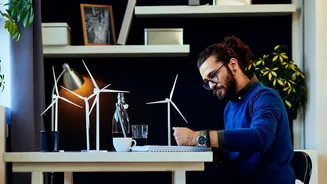
This new tribe of travellers, or 'flex-cationers', has given rise to a parallel evolution in the hospitality industry. Hotels and resorts are no longer just offering a desk in the room. 'Smart resorts' are emerging in destinations from Goa to Himachal, designed specifically for the long-stay remote worker. These places offer dedicated co-working zones, high-speed internet with backup systems, on-demand IT support, and even ergonomic office furniture in rooms. The focus is shifting from short-term luxury to long-term comfort and productivity. This creates a new, stable revenue stream for the travel industry, which can now cater to guests staying for weeks or months instead of just a few nights, smoothing out the seasonal peaks and troughs of traditional tourism.
Making Longer Stays a Reality
Of course, embarking on a month-long workation isn't without its challenges. It requires a supportive company policy, careful financial planning, and personal discipline to balance deadlines with the temptation of a new place. Key considerations include ensuring robust internet connectivity, managing time-zone differences if collaborating internationally, and understanding the logistics of a longer stay, from accommodation to local transport. However, as more companies recognise the benefits of a happier, more productive workforce, formal policies around remote work and workations are becoming more common. Some companies are even offering workation allowances or rewards for high-performing employees, solidifying this trend as a legitimate and desirable way of working.