


The Power of Fresh Ingredients
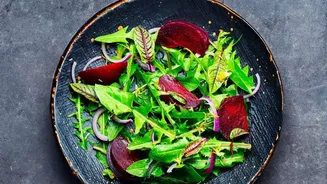
In the quest for better digestion, what you add to your plate is just as important as what you might remove. A salad bowl filled with fresh, vibrant ingredients like cucumber, beetroot, and sprouts is more than just a light lunch—it's a strategic way
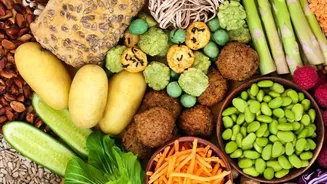
to support your gut. These three ingredients work together to provide hydration, beneficial fibres, and essential enzymes that can help your digestive system function more smoothly. Fibre, in particular, is a cornerstone of digestive health. It comes in two forms: soluble, which dissolves in water to form a gel-like substance, and insoluble, which adds bulk to stool. Both are crucial for maintaining regularity and preventing issues like constipation. A diet rich in varied plant foods helps to nourish the trillions of good bacteria in your gut, collectively known as the microbiome, which plays a vital role in everything from nutrient absorption to immune function.
Cucumber: Hydration and Gentle Fibre
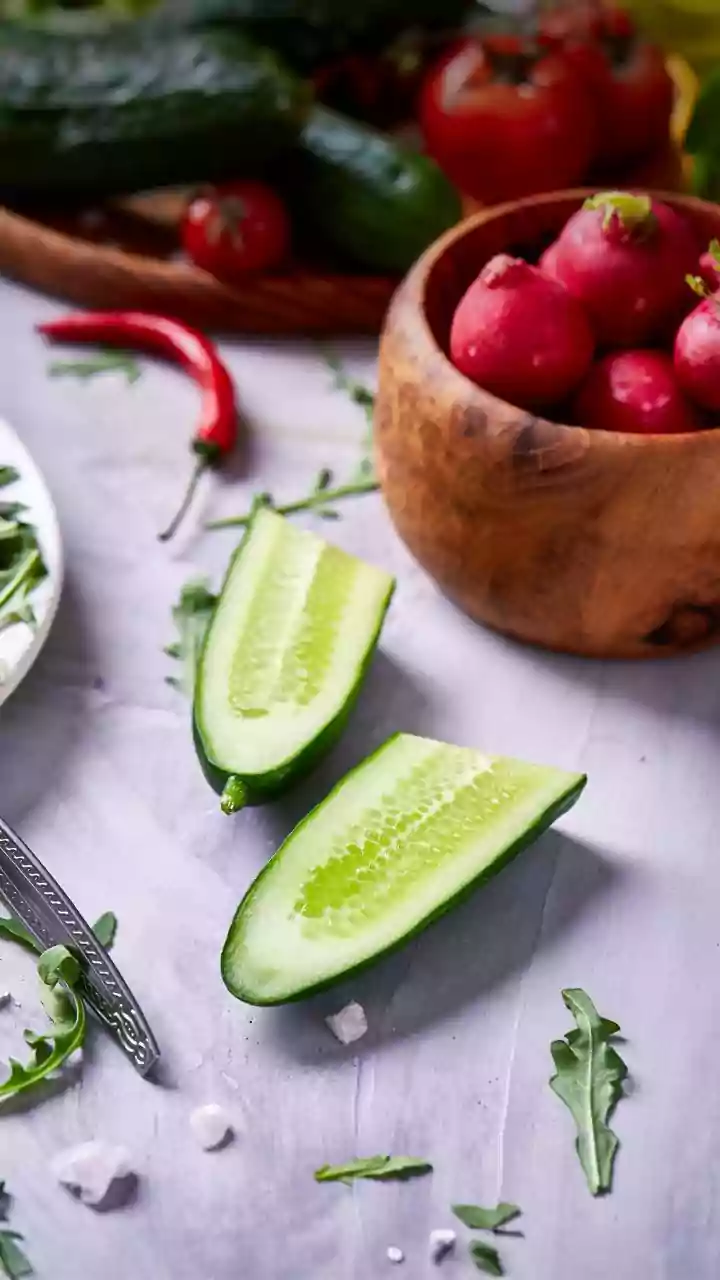
It’s no secret that cucumbers are incredibly refreshing, but their benefits go far beyond their crisp texture. Composed of over 95% water, cucumbers are a fantastic source of hydration, which is essential for softening stool and allowing it to pass more easily through your digestive tract. This high water content helps prevent constipation and keeps your entire system running smoothly. Furthermore, cucumbers contain a valuable type of soluble fibre called pectin. Pectin not only helps increase the frequency of bowel movements but also acts as a food source for the beneficial bacteria in your gut. By nourishing these good microbes, you are helping to foster a balanced and healthy gut environment. For most people, the combination of water and gentle fibre makes cucumber an excellent, soothing choice for digestive support.
Beetroot: A Prebiotic Powerhouse
The vibrant, earthy beetroot is a root vegetable packed with nutrients that directly benefit your gut. Beetroots are an excellent source of dietary fibre, which is fundamental for promoting regularity. This fibre includes prebiotics, which are non-digestible compounds that serve as fuel for beneficial gut bacteria like Bifidobacteria and Lactobacilli. When these good bacteria thrive, they help maintain a healthy balance in your gut microbiome, which is crucial for efficient digestion and overall health. Beyond fibre, beetroots contain powerful antioxidants called betalains, which are responsible for their deep red colour. These compounds help manage oxidative stress throughout the body, including in the gut, which may contribute to a calmer and healthier digestive lining. Whether roasted, steamed, or grated raw into your salad, beetroot is a fantastic addition for long-term gut wellness.
Sprouts: A Boost of Living Enzymes
Sprouts may be tiny, but they are nutritional giants. They are essentially seeds that have just begun to grow, and during this germination process, their nutritional profile changes dramatically. One of the most significant changes is a massive increase in digestive enzymes. These enzymes are proteins that act as catalysts to help break down food—specifically carbohydrates, proteins, and fats—into smaller, more absorbable components. While our bodies produce their own digestive enzymes, this ability can decline with age or due to certain health conditions. Supplementing your diet with enzyme-rich foods like sprouts can help your body digest other foods more efficiently, reducing the digestive load and potentially easing symptoms like gas and bloating. They are easily digested themselves and bring a potent dose of vitamins and minerals to your salad bowl.
Assembling Your Digestive Health Bowl
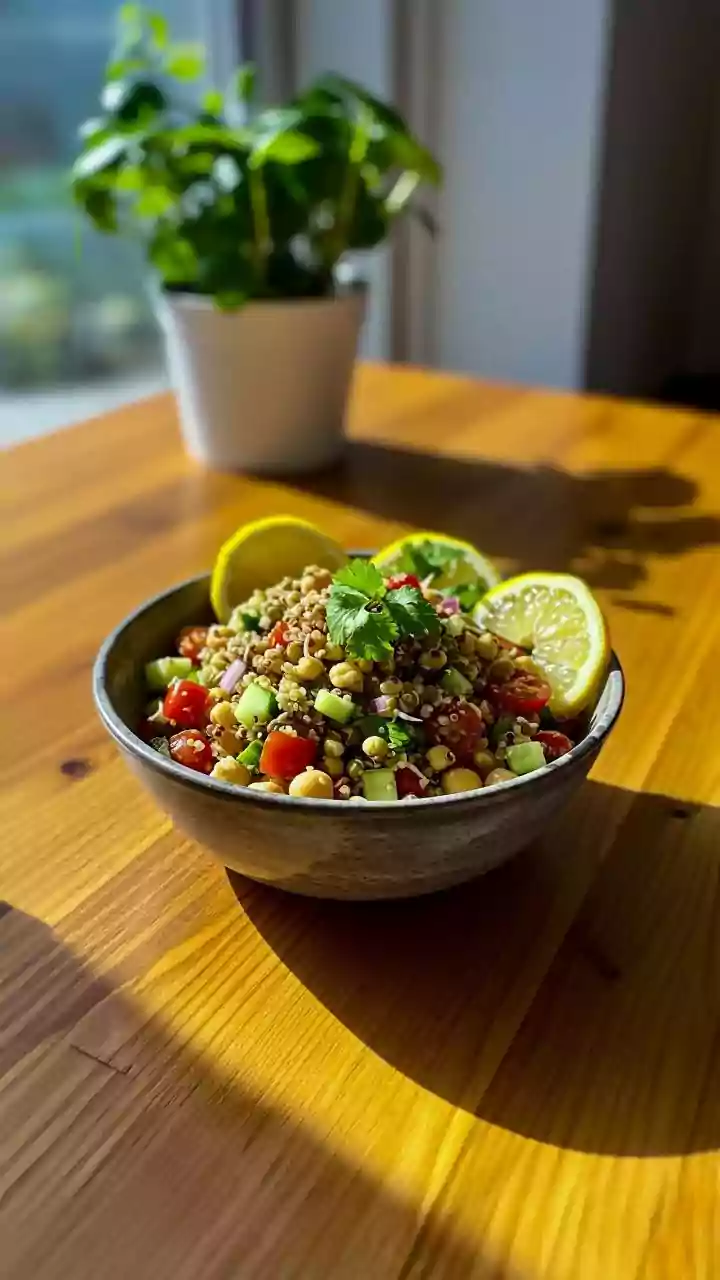
Creating your gut-friendly salad is simple and allows for plenty of customisation. Start with a bed of mixed greens. Grate a medium-sized raw beetroot and slice half a cucumber. Top with a generous handful of your favourite sprouts, such as mung bean, lentil, or broccoli sprouts. To enhance the benefits, consider adding other gut-supporting ingredients. A handful of nuts or seeds provides extra fibre and healthy fats, while a scoop of fermented food like sauerkraut can add a dose of probiotics—the live beneficial bacteria themselves. For a dressing, skip the heavy, creamy store-bought options. Instead, whisk together extra virgin olive oil, a squeeze of fresh lemon juice, and a pinch of ginger. Lemon juice can aid digestion, while ginger is well-known for its ability to soothe the stomach. This simple, fresh bowl is a delicious and powerful tool for supporting your digestive health one meal at a time.