



Choose the Right Pot and Place
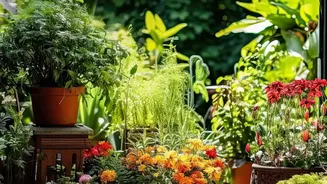
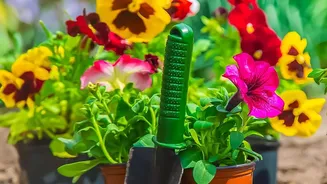
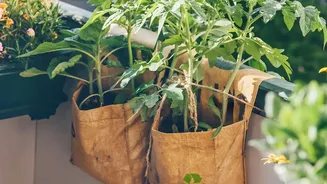
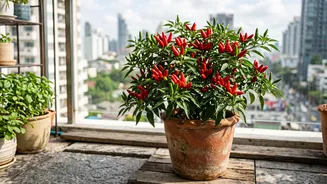
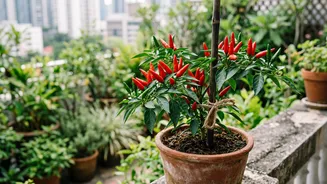
Your chilli plant's home is the first step to success. Select a pot that is at least 10-12 inches deep and wide, or holds around 10 litres. This gives the roots enough space to develop. The most crucial feature is drainage; ensure your pot has holes at the bottom
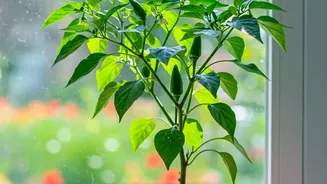
to let excess water escape, preventing root rot. Terracotta pots are excellent as they are porous, but any material will do. Once you have your pot, find a spot that receives at least six hours of direct sunlight daily. Thai chillies love the sun, and this exposure is vital for them to produce a bounty of fruit.
The Perfect Soil Mix
Thai chillies are not overly fussy, but they thrive in soil that is well-draining and rich in organic matter. You can buy a quality potting mix from any garden centre. To improve it, consider mixing in some compost or peat moss, which helps retain moisture without becoming waterlogged. A good ratio is about two parts potting mix to one part compost. This combination provides the nutrients and aeration your plant needs to establish a strong root system. When planting a seedling, place it at the same depth it was in its original container and gently fill in the soil around it.
Watering and Feeding Your Plant
The golden rule of watering is to be consistent but not overzealous. Water your plant when the top inch of soil feels dry to the touch. Pour water until it runs out of the drainage holes, then let the pot drain completely. Overwatering is a common mistake that can lead to root diseases. To fuel its growth, feed your chilli plant every three to four weeks during the growing season. A balanced liquid fertiliser, such as one formulated for tomatoes or vegetables with an NPK ratio like 5-10-10, works well. This provides the necessary phosphorus and potassium for flowering and fruiting, rather than just leafy growth.
Tackling Common Pests
Even potted plants can attract unwelcome guests. The most common culprits are small sap-sucking insects like aphids, thrips, and spider mites. You'll often find them on the undersides of leaves. Aphids cause leaves to curl, while spider mites can create fine webbing. For a small infestation, a strong spray of water from a hose can often dislodge them. If they persist, a simple solution of neem oil mixed with water and a drop of liquid soap can be an effective organic pesticide. Regularly inspecting your plant helps you catch any problems early.
Harvesting Your Homegrown Heat
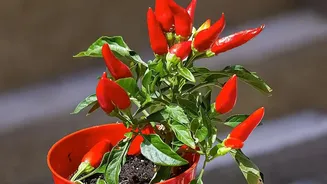
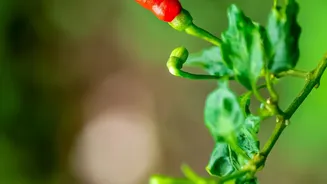
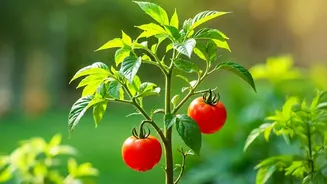
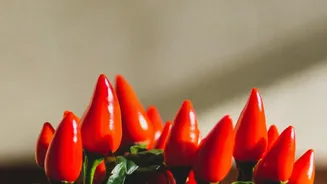
After weeks of care, it's time for the reward. Thai chillies can be harvested when they are green, but they develop their full, fiery heat and a sweeter flavour when they ripen to a vibrant red. The peppers typically grow to be 1-3 inches long and point upwards on the plant. Use a pair of scissors or small snips to cut the peppers from the stem. Pulling them by hand can damage the branches. Regular harvesting is a great signal to the plant to keep producing more flowers and, consequently, more chillies, giving you a continuous supply throughout the season.