


A Tradition That Endures
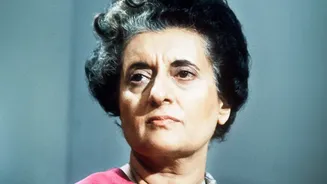
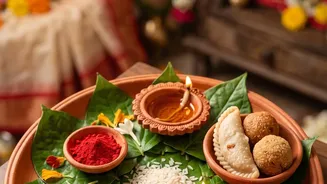
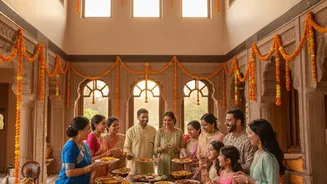
In a recent conversation with her daughter Priyanka and granddaughter Miraya, Sonia Gandhi revisited the family's festive traditions at the former residence of her mother-in-law, Prime Minister Indira Gandhi. She recalled the house glowing with diyas
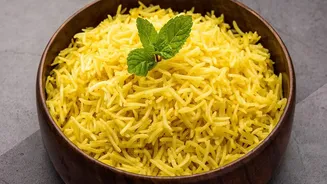
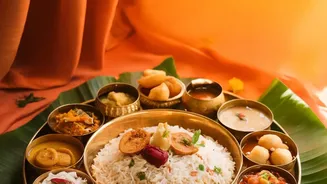
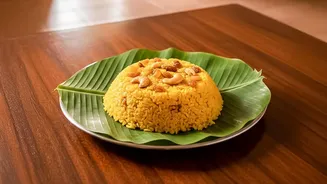
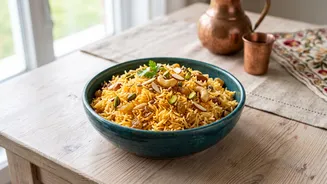
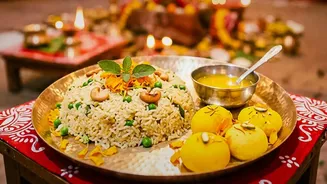
and shared a specific culinary custom. "On festivals we always used to have Kashmiri food and that sweet rice… which we still make, by the way," she noted. This enduring tradition highlights the deep connection the Nehru-Gandhi family has with their Kashmiri Pandit heritage, a bond that has been lovingly maintained across generations, especially on the dining table. The simple act of preparing a dish has become a living link to their matriarch and the cultural legacy she cherished.
What is the Kashmiri Sweet Dish?
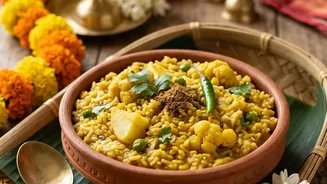
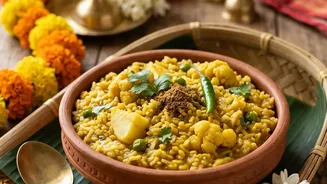
While Sonia Gandhi didn't name the specific dish, her description points towards one of two festive Kashmiri delicacies. One possibility is Modur Pulav, a fragrant sweet rice dish coloured golden with saffron and studded with ghee-toasted nuts and dried fruits like cashews and raisins. Another contender, and perhaps even more fitting for a grand celebration, is Shufta. Shufta is not a rice dish but a luxurious, celebratory sweet made from an assortment of dry fruits, nuts, and cubes of fried paneer, all brought together in a rich syrup of ghee, sugar, and honey, and spiced with saffron, cardamom, and sometimes a hint of dry ginger. It is traditionally served at major Kashmiri festivals and weddings, symbolizing prosperity and abundance.
A Dish of History and Place
The ingredients in a dish like Shufta or Modur Pulav tell a story of Kashmir's unique geography and history. The nuts, such as almonds and walnuts, and the precious saffron from Pampore, are all native to the valley. The use of dried fruits points to the region's position along historic trade routes and the need for preserved foods during cold winters. This culinary tradition is a blend of influences from Kashmiri Pandits, Mughals, and Central Asian traders, resulting in a cuisine known for its intricate flavours. These dishes were not just food; they were symbols of hospitality and the rich bounty of the land, often reserved for the most significant occasions.
Indira Gandhi’s Kashmiri Connect
Indira Gandhi's affinity for Kashmir was well known. Despite being raised in Allahabad, she actively preserved her family's Kashmiri Pandit customs. Food was a primary way she expressed this connection. Her everyday meals often featured Kashmiri-style dishes, and she frequently visited the valley. Those close to her recalled her particular fondness for Kashmiri fare, noting that dishes like goshtaba and yakhni were common on her menu when entertaining. Her decision to make a Kashmiri sweet rice a staple of the family's Diwali celebrations was a deliberate act of cultural preservation, weaving her ancestral identity into one of India's most widely celebrated festivals.
Food as a Bridge to the Past
Decades after those Diwalis at Safdarjung Road, the tradition continues. The sweet rice is more than just a festive treat; it's a sensory inheritance. For Sonia, Priyanka, and their family, preparing and sharing this dish is a way to keep Indira Gandhi's memory alive. It serves as a reminder that family legacies are not just built on grand political acts but also on the quiet, intimate rituals that are passed down. Each spoonful is a taste of personal history, a celebration of cultural roots, and a tribute to the woman who first brought it to their table, making the past a delicious and tangible part of the present.