


1. Master the 'Find It' Game
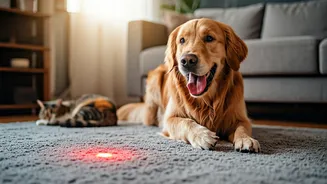
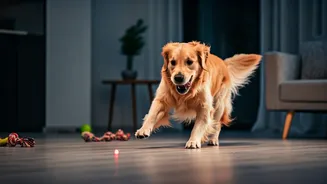
This game is a fantastic way to engage your dog’s powerful sense of smell, providing crucial mental stimulation that can be more tiring than a physical walk. Start simple. Have your pet sit and stay while they watch you place a high-value treat a few
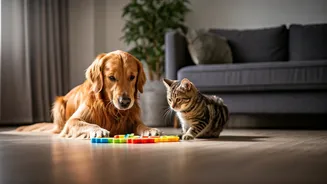
feet away. Give the command “Find it!” and praise them enthusiastically when they do. As they get better, you can start hiding treats in another room, under a rug, or behind a piece of furniture. This isn't just for dogs; you can adapt this for cats by hiding their favourite crinkly toy or a small portion of their favourite food.
2. Create a DIY Obstacle Course
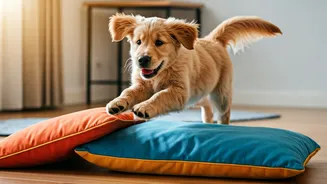
You don't need professional agility equipment to create a fun challenge. Your living room is full of potential! Drape a blanket over two chairs to create a tunnel. Line up some cushions or pillows for them to jump over (keep heights low and safe). Use a hula hoop or even just your arms to create a hoop they can jump through. Guide your pet through the course with treats and praise. This activity not only burns physical energy but also builds confidence and focus as they learn to navigate the 'obstacles'. Always supervise to ensure they don't get tangled or hurt.
3. Introduce Puzzle Toys and Feeders
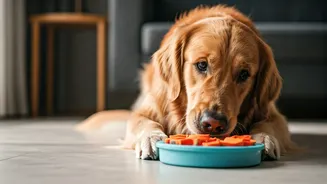
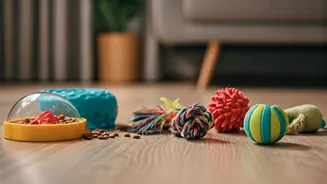
Instead of just putting their food in a bowl, make mealtime a brain game. Puzzle toys and slow feeders require your pet to sniff, nudge, paw, and problem-solve to get their kibble. This mimics their natural foraging instincts and can prevent them from eating too quickly. There are many options available to buy, but you can also make your own. A simple 'snuffle mat' can be made by tying strips of fleece to a rubber mat, or you can simply scatter their kibble inside a cardboard box filled with crumpled paper (ensure they don't eat the paper).
4. Play a Game of Hide-and-Seek
This classic game is a wonderful way to reinforce recall commands and strengthen your bond. If your pet has a good 'stay' command, use it. Otherwise, have a family member gently hold them while you go hide. Once you're settled, call your pet’s name in an excited tone. When they find you, reward them with a huge celebration of praise, pets, and maybe a small treat. It turns a simple command into an exciting game and provides both mental and physical exercise as they dash around the house looking for you.
5. Teach a New Trick or Two
A rainy day is the perfect opportunity for a training session. Mental exercise is just as tiring for a pet as physical exercise. Focus on teaching a fun new trick like 'shake hands', 'roll over', or 'play dead'. Keep training sessions short, positive, and rewarding—around 5-10 minutes is perfect. This focused attention strengthens your communication and gives your pet a 'job' to do, which can curb anxiety and boredom-related behaviours like chewing or excessive barking. You'll be amazed at how a short session can mellow out an energetic animal.
6. Have a Controlled Game of Tug
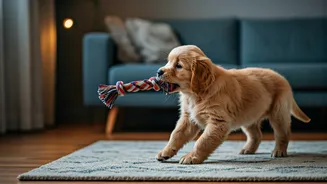
Tug-of-war is a great physical workout and a way for dogs to satisfy their natural instincts. However, it's important to establish rules. Use a designated tug toy, not a household item. Teach a 'drop it' or 'release' command, and always end the game when you say so, not when the dog decides. The game should stop if your pet's teeth ever touch your hand. Played correctly, tug is not about dominance but about cooperative play. It's a fantastic muscle-building activity that can be done in a small space.