






Switch to a Lighter Moisturiser
The most common mistake during the rainy season is skipping moisturiser because the skin already feels sticky. However, high humidity doesn't mean your skin is hydrated. In fact, indoor air conditioning can dry it out, while outdoor humidity can make
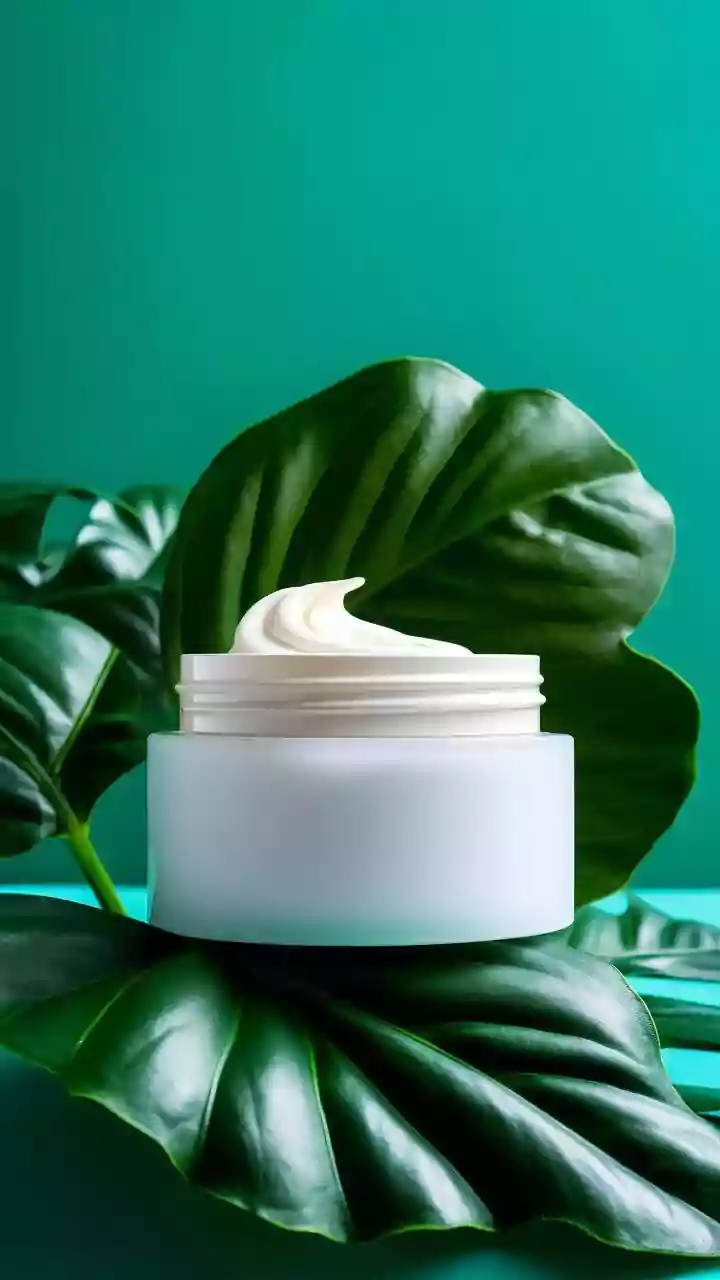
heavy creams feel suffocating. The solution is to switch, not skip. Opt for a lightweight, gel-based or water-based moisturiser. Look for ingredients like hyaluronic acid, which pulls moisture from the humid air into your skin, providing hydration without the weight. This simple swap keeps your skin's moisture barrier healthy, preventing it from overproducing oil to compensate for dryness.
Double Down on Cleansing
High humidity means more sweat and oil production. This sticky combination acts like a magnet for dirt and pollution, leading to clogged pores and breakouts. A single wash may not be enough to get your skin truly clean. This is where double cleansing in the evening comes in. Start with an oil-based cleanser or micellar water to break down makeup, sunscreen, and the day's grime. Follow up with a gentle, foaming or gel-based face wash to purify the skin without stripping it of its natural oils. For acne-prone skin, using a cleanser with a small amount of salicylic acid can help keep pores clear.
Don't Skip Sunscreen (Even on Cloudy Days)
It’s a persistent myth that you don’t need sunscreen when it’s cloudy. The reality is that up to 80% of the sun’s harmful UVA and UVB rays can penetrate cloud cover. These rays are responsible for skin ageing, pigmentation, and damage. During the monsoon, the key is to find a formula you're comfortable wearing every day. Look for a broad-spectrum sunscreen with an SPF of 30 or higher that has a lightweight, non-comedogenic, and matte finish. A gel-based or water-resistant formula will feel much more comfortable in the humidity and won't clog your pores.
Exfoliate, But With a Gentle Hand
With dead skin cells and excess oil building up more quickly in the monsoon, exfoliation is crucial to prevent dullness and breakouts. However, harsh physical scrubs can irritate the skin and damage its protective barrier, especially when it's already dealing with environmental stress. Instead, consider incorporating a gentle chemical exfoliant into your routine once or twice a week. Products with Alpha Hydroxy Acids (AHAs) like glycolic acid or Beta Hydroxy Acids (BHAs) like salicylic acid work to dissolve the bonds holding dead skin cells, revealing brighter skin and clearing out pores from within.
Go Minimal With Makeup
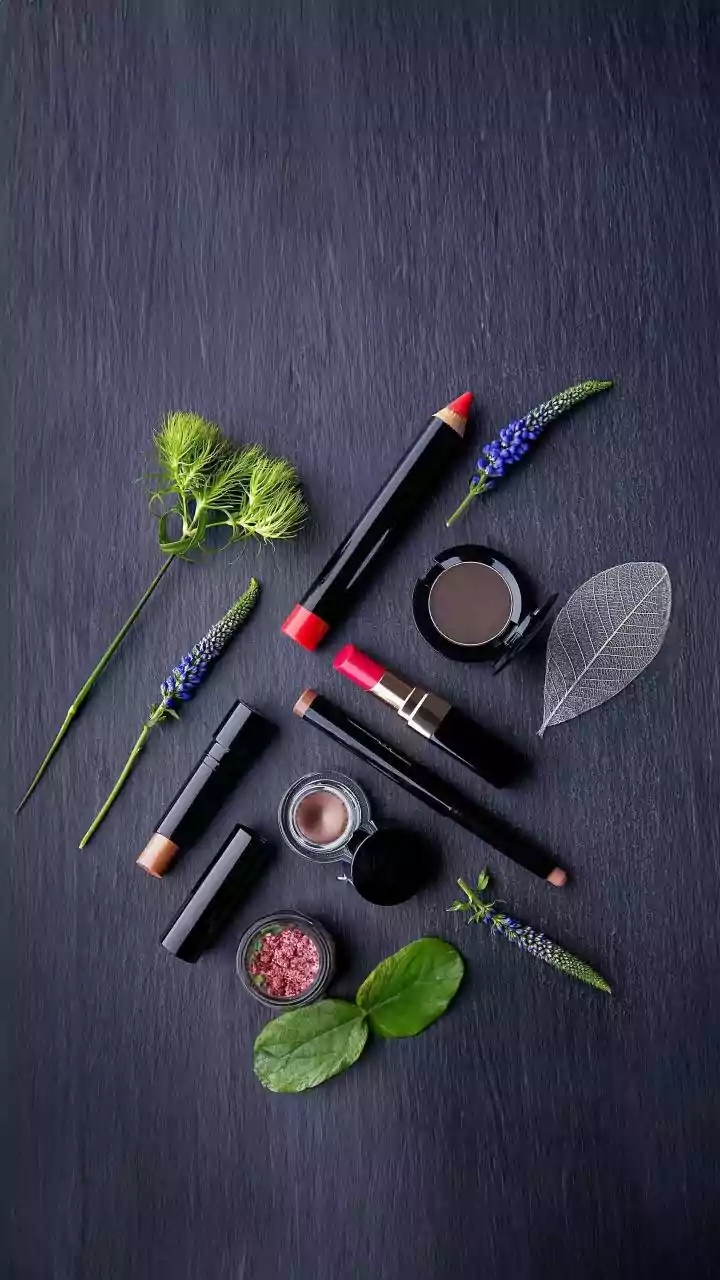
Thick layers of foundation and heavy makeup can trap sweat and oil, creating the perfect breeding ground for bacteria and leading to clogged pores and acne. The humid monsoon weather calls for a more breathable approach. If you can, let your skin breathe by going makeup-free. If you prefer some coverage, opt for lightweight products like a tinted moisturiser, a BB cream, or simply a concealer where needed. Look for non-comedogenic and water-based formulas that are less likely to melt or feel heavy on the skin.
Keep an Eye Out for Fungal Infections
The constant dampness of the monsoon provides the ideal environment for fungal growth. Fungal acne, which appears as small, uniform, itchy bumps often on the forehead and chest, is a common complaint. Beyond the face, infections like athlete's foot and ringworm also become more prevalent. The key to prevention is to keep everything dry. Change out of wet clothes and socks immediately, use an antifungal dusting powder in body folds like underarms and inner thighs, and wear breathable cotton fabrics. If you suspect a fungal issue, avoid self-medicating and consult a professional.