




A Culinary Journey from Persia to India
Parsi cuisine is a unique tapestry woven from the threads of two ancient cultures: Persia, where the Parsi people originated, and India, where they settled over a millennium ago. This history is alive in their kitchens. The Persian love for nuts, dried
fruits, and a touch of sweetness meets the Indian affinity for ginger, garlic, and vibrant spices. The result is a distinct flavour profile often described as 'tikhu-khatu-mithu'—a masterful balance of spicy, sour, and sweet that is the hallmark of Parsi cooking. Dishes like the famous lentil and meat stew, dhansak, and various egg-topped vegetable preparations, known as 'per eedu', showcase this beautiful fusion.
The Unlikely Star: Jackfruit
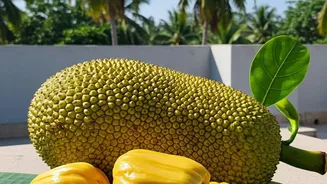
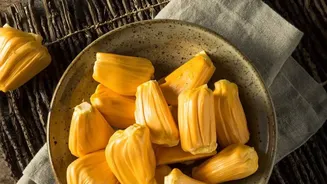
So where does kathal, the world's largest tree-borne fruit, fit in? While meat and eggs are staples in the Parsi diet, the community's settlement along India's west coast introduced them to a bounty of local ingredients. Unripe jackfruit, with its fibrous, meat-like texture, was a natural and versatile addition. Often called 'vegetable meat', raw jackfruit has an incredible ability to absorb the flavours of the spices it's cooked with, making it an excellent canvas for the robust Parsi masala. While deeply rooted in Indian agriculture and sometimes called the 'poor man's food' for its affordability and abundance, jackfruit is elevated in Parsi hands into a dish worthy of celebration.
The Heart of the Kathal Recipe
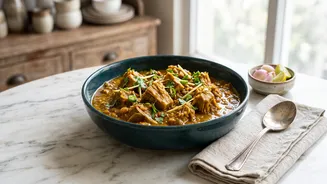
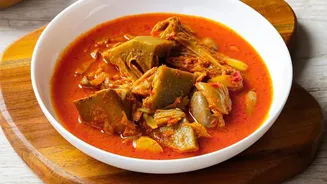
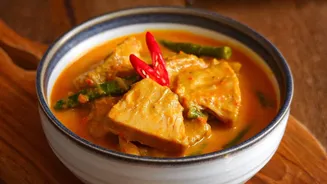
A traditional Parsi kathal curry is a masterclass in flavour balancing. The process often begins with preparing the jackfruit, which involves boiling the chopped pieces until tender to soften the texture. The magic then happens in the masala. A base of sautéed onions, ginger, and garlic is enriched with a blend of classic Indian spices like turmeric, cumin, and coriander powder. But the Parsi touch comes from the essential 'khatu-mithu' elements. A bit of vinegar or tamarind provides the sourness, while a spoonful of jaggery or sugar lends a subtle sweetness that rounds out the heat from the chillies. This creates a rich, thick gravy that clings to every piece of the tender jackfruit, delivering a complex and deeply satisfying taste in every bite.
Ideas to Make it Your Own
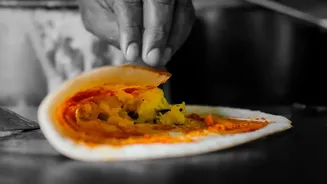
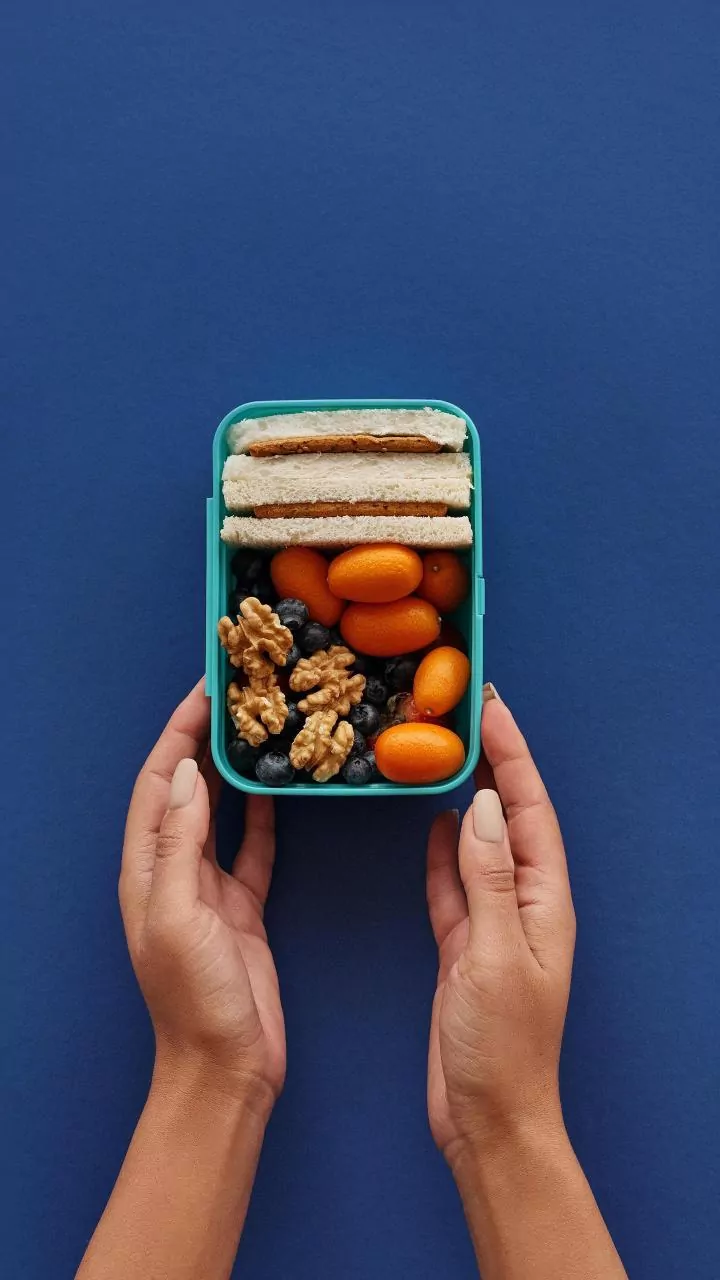
While the classic curry is a treasure, the versatility of kathal invites creativity. The core recipe itself can be seen as a starting point. For a richer, creamier texture, some cooks finish the dish with a splash of coconut milk. The cooked kathal sabzi can also be repurposed beautifully. Consider using it as a filling for hearty sandwiches or wraps for a quick and flavourful lunch. You can also mash the cooked jackfruit with potatoes and spices to form patties or 'cutlets' that can be shallow-fried until golden brown—perfect as an appetiser or a tea-time snack. Serving the curry is simple: it pairs wonderfully with fluffy basmati rice, which soaks up the delicious gravy, or with traditional Indian flatbreads like roti or chapati for scooping.