


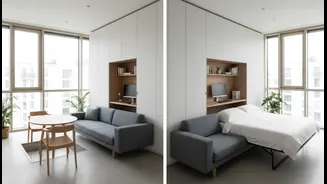


The New Home-Life Reality
For generations, furniture buying was about finding a style and sticking with it. A heavy, ornate wooden bed or a fixed three-seater sofa was a purchase for life. But modern life, especially in urban India, is far more dynamic. Living spaces are shrinking,
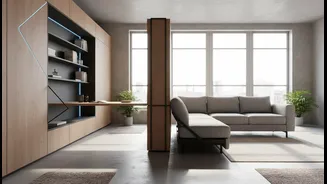
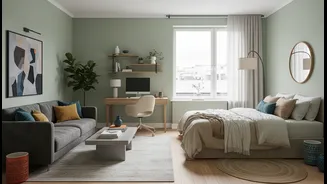
careers are evolving, and families are changing. As a result, our homes are being asked to do more. The living room is now a part-time office, the guest room is a workout space, and the balcony is a garden. This new reality demands furniture that can keep up, pieces that are as adaptable as our lifestyles.
The Work-From-Home Revolution
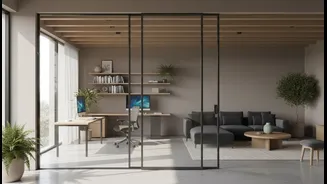
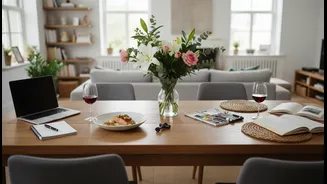
Nothing has accelerated this trend more than the widespread adoption of remote and hybrid work. What started as a temporary adjustment has become a permanent feature of modern life, transforming our homes into offices. This has created a massive demand for furniture that is both ergonomic and adaptable. A dining table that can comfortably serve as a desk, a coffee table with hidden storage for laptops, or a comfortable chair that supports good posture during long work hours are no longer luxuries; they are necessities. People are investing in creating productive and comfortable home workspaces without sacrificing their living areas.
Rise of the Modular Marvels
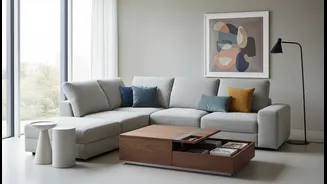
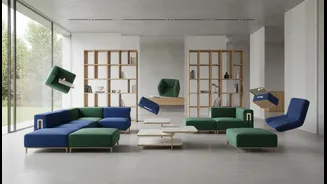
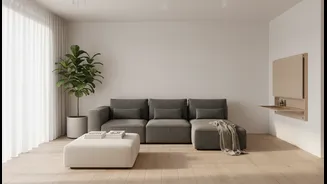
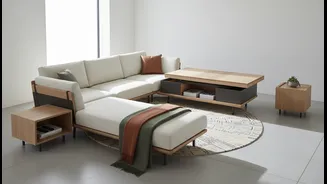
Enter modular furniture, the hero of flexible living. The Indian modular furniture market is growing rapidly, expected to reach USD 7.7 billion by 2034. Unlike traditional pieces, modular furniture consists of separate units that can be rearranged, expanded, or reconfigured to suit changing needs. A modular sofa can be transformed from an L-shape for movie nights into separate seating for guests. Modular wardrobes and storage units can grow with a family or adapt to a new apartment layout. This adaptability offers a long-term solution, making it a smart investment for consumers who may move homes or see their needs change over time.
A Conscious Consumer Choice
The shift towards flexibility is also deeply connected to a growing sense of conscious consumerism. Indian buyers are increasingly interested in sustainability. They are asking more questions about where their furniture comes from, what materials are used, and how long it will last. Flexible, high-quality furniture aligns perfectly with this mindset. Investing in an adaptable piece that will serve you for years, rather than a trendy item that will end up in a landfill, is a more sustainable choice. This focus on longevity and reducing waste is reshaping purchasing decisions, pushing buyers towards pieces that offer lasting value over fleeting style.
Designing for Life's Many Stages
Ultimately, the demand for flexible furniture reflects a desire for homes that support us through all of life's transitions. Whether you are a young professional in a rented flat, a couple starting a family, or empty-nesters downsizing your home, adaptable furniture can evolve with you. A convertible sofa bed provides a solution for overnight guests in a small apartment. An extendable dining table can accommodate both daily family meals and larger festive gatherings. This foresight—buying furniture not just for the life you have now, but for the life you might have in the future—is the new hallmark of a smart, modern Indian home.