



Paradise Under Pressure
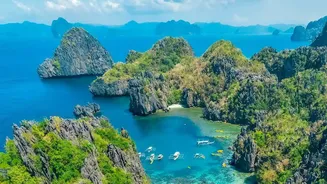
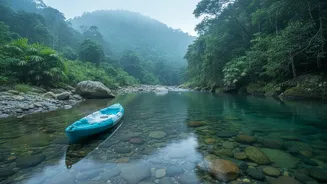
Meghalaya, the 'Abode of Clouds', is famed for its breathtaking natural beauty, from living root bridges to plunging waterfalls. At the heart of this allure are its pristine rivers, especially the Umngot in Dawki, whose transparent waters draw thousands
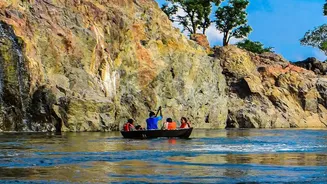
of visitors each year. For years, tourists have flocked to witness the magical sight of the riverbed, clear as day from their boats. But this surge in popularity has come at a cost. An increase in footfall has led to a predictable rise in plastic pollution, with bottles and wrappers threatening the delicate ecosystem. More recently, large-scale infrastructure projects have also taken a toll, with construction runoff clouding the famously clear waters and jeopardizing the livelihoods of local boatmen and tour guides who depend on the river's health.
Paddles with a Purpose
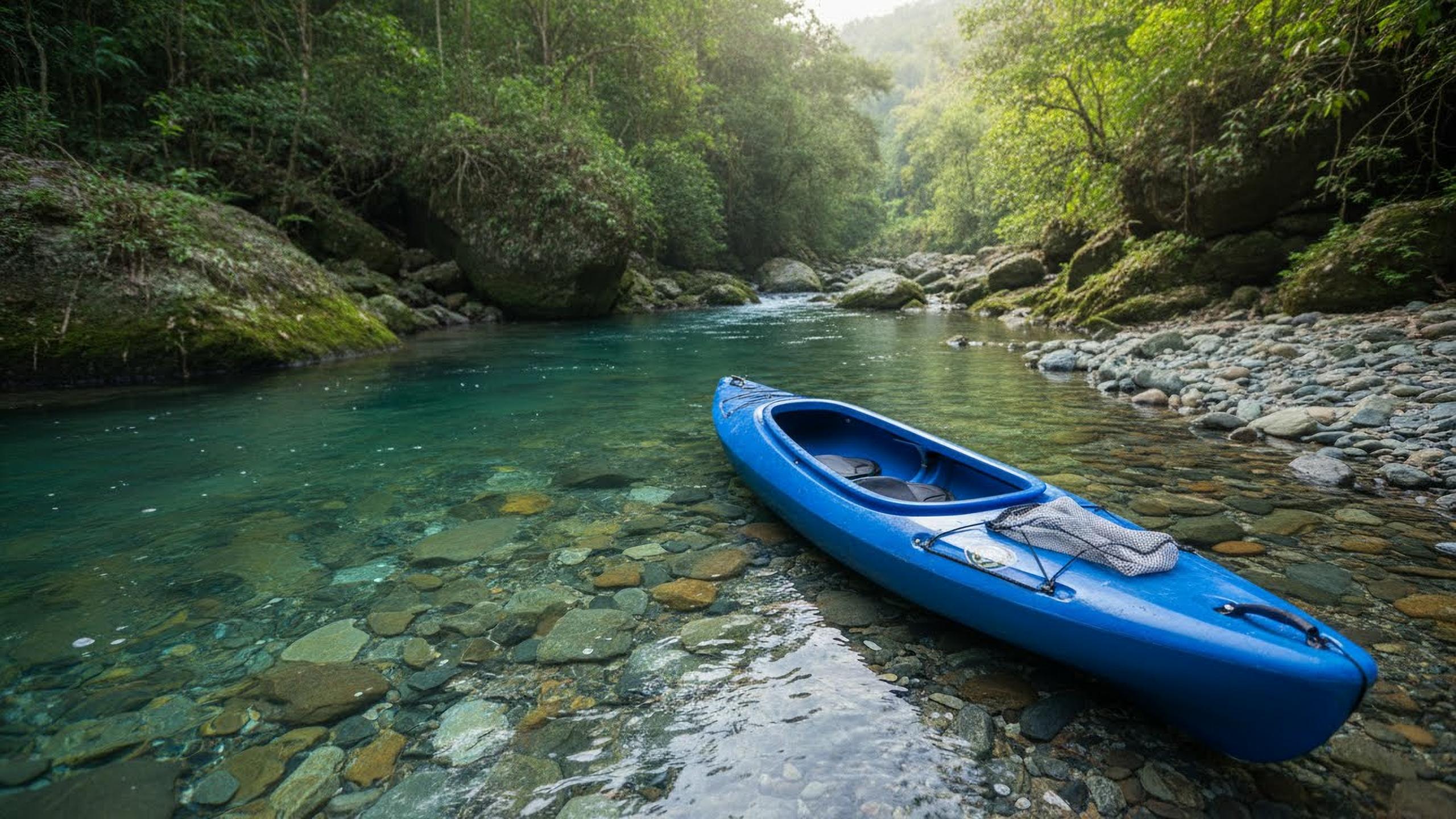
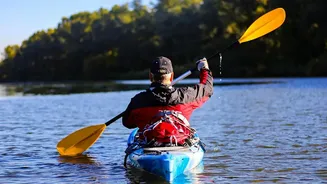
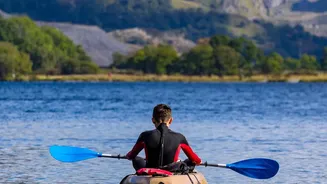
Kayaking and boating are not just recreational activities on these rivers; they are the primary means through which people experience their magic. This intimate connection has placed adventure tour operators and local guides on the front lines of conservation. They are the first to witness the impacts of pollution and have the most to lose if the rivers degrade. This has spurred a shift from passive tourism to active stewardship. Eco-conscious operators now build their philosophy around responsible travel, employing local staff, using sustainable suppliers, and educating visitors about the fragility of the environment they are entering. The goal is no longer just to provide an adventure, but to foster a sense of respect and responsibility, turning a simple kayaking trip into an immersive lesson in conservation.
A Synergy of Cleanup Efforts
The drive to clean Meghalaya's waterways isn't coming from a single source but from a powerful convergence of efforts. On the ground, community-led movements have a long history in the state, with local villages and traditional institutions taking it upon themselves to protect their natural heritage. Groups like the Friends of the Umngi River and the Jaintia Fishing and Environmental Protection Association have organized to prevent pollution and protect aquatic life for years. These grassroots efforts are now complemented by government initiatives like the 'Green Deposit' scheme. This programme requires tourists entering sensitive areas like Dawki to pay a refundable deposit, which they get back only upon showing they have brought their plastic waste out with them. This creates a system where everyone, from the visitor to the local guide, is an active participant in waste management.
How Tourism Fuels the Movement
While kayaking tours may not always include a cleanup component in their official itinerary, they are a powerful engine for the broader movement. The economic incentive is clear: a clean river means more tourists, which means stable livelihoods for the community. This reality galvanizes local boat owners, guides, and guesthouse operators to participate in and enforce cleanup rules. The presence of tourists, guided by responsible operators, also brings greater visibility to the issue. When visitors choose eco-friendly tours and ask questions about conservation, it reinforces the value of these practices within the community. In this model, kayaking becomes the gateway experience that sustains the local economy, which in turn fuels the community's motivation to protect its primary natural asset. It's a virtuous cycle where adventure directly and indirectly supports conservation.
Creating a Ripple Effect
The impact extends far beyond cleaner riverbanks. These initiatives are fostering a renewed sense of environmental ownership, particularly among local youth who are being trained as river ambassadors and guides. By placing communities at the heart of conservation, Meghalaya is creating a scalable and sustainable model that other ecologically sensitive regions can emulate. It demonstrates that economic growth and environmental protection do not have to be mutually exclusive. Instead of seeing tourism as a threat, this approach harnesses its power as a force for good, ensuring that the industry that benefits from the region's beauty also plays a crucial role in preserving it. This collaborative spirit is transforming visitors from mere spectators into allies in the fight to keep Meghalaya's waterways pristine.