

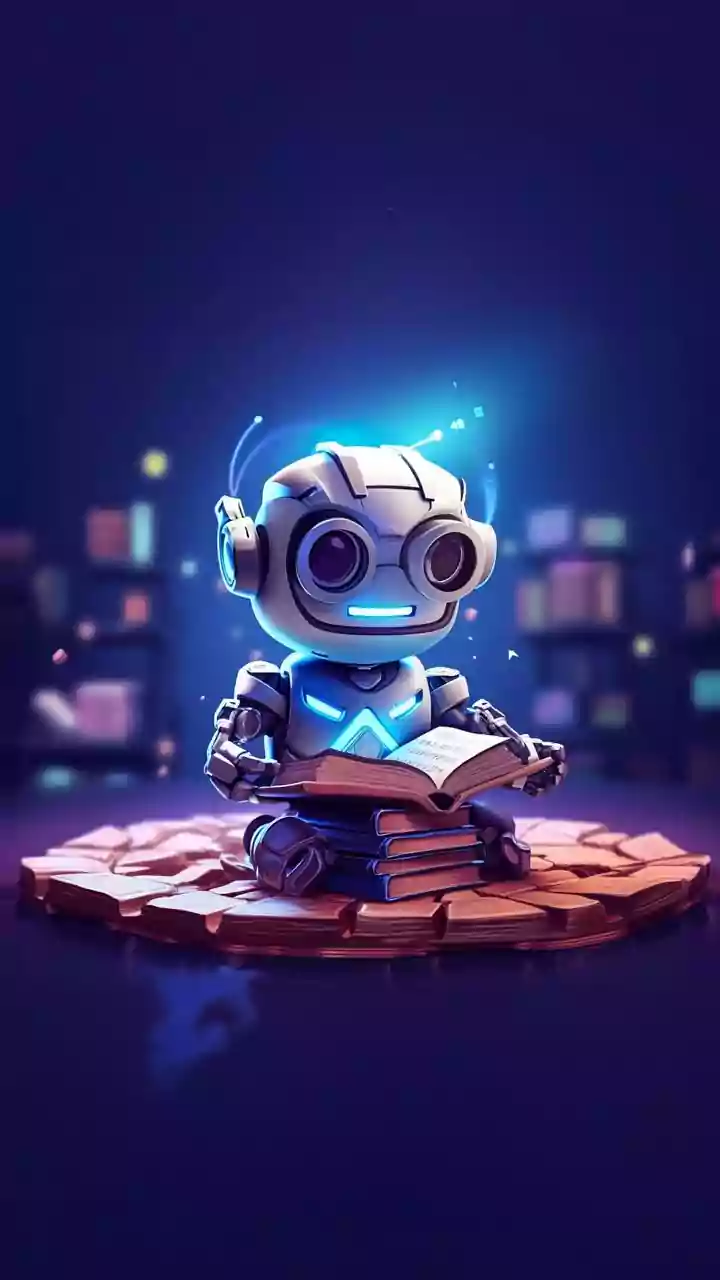




What Exactly Is Predictive Reading AI?
Think of it as a smart tutor that understands not just *what* you read, but *how* you read it. Predictive reading AI is a sophisticated software system designed to analyse a student's reading patterns to forecast their comprehension ability and identify
specific weaknesses. Instead of giving every student the same passage and questions, this AI observes a student's behaviour as they interact with a text on a screen. It measures factors like reading speed, pauses, re-reading of certain sentences, and how quickly and accurately they answer comprehension questions. Using this data, it builds a dynamic profile of the student's reading skills.
How Does It 'Tailor' a Test?
The magic of this technology lies in its adaptive nature. A traditional test is static—the questions are fixed. An AI-tailored test is fluid. It starts with a baseline passage. If a student breezes through it and answers questions correctly, the AI will serve up a more complex text with nuanced questions next. Conversely, if a student struggles, the system will present a simpler passage to pinpoint the exact source of the difficulty. Is it vocabulary? Sentence structure? The ability to make inferences? The AI adjusts the difficulty and focus of the test on the fly, creating a unique assessment path for every single user. The goal is to find the student's precise learning edge—the sweet spot between 'too easy' and 'too hard'.
The Promise: A Personalised Learning Revolution
Proponents of this technology argue it could be a game-changer for Indian education. For decades, the 'one-size-fits-all' model has left many students behind while failing to challenge the brightest. Personalised AI assessments promise to end this. Teachers could receive detailed reports showing that one student excels at factual recall but struggles with author's intent, while another has a strong vocabulary but reads too slowly. This allows for targeted intervention. For students preparing for exams like the NEET or JEE, where English comprehension can be a critical section, such a tool could efficiently identify and fix weak spots, potentially democratising access to high-quality diagnostic tools that were once the preserve of expensive tutors.
The Concerns: Bias, Pressure, and New Inequalities
However, the rise of AI in testing also brings significant concerns. Firstly, there's the issue of algorithmic bias. If an AI is trained on a narrow dataset, it might unfairly penalise students from different linguistic backgrounds or those with neurodivergent reading patterns, like dyslexia. Secondly, constant monitoring and dynamic testing can heighten student anxiety. The feeling of being perpetually evaluated by an unblinking algorithm can be incredibly stressful. There's also a risk that this technology could widen the digital divide. Students with access to these sophisticated platforms may gain a significant advantage over those in less-resourced areas, creating a new form of educational inequality. Finally, critics worry it encourages 'teaching to the algorithm' rather than fostering a genuine love for reading and critical thought.
What This Means for Students in India
As these interactive portals become more common in coaching centres and even schools, students and parents will need to be aware of both their potential and their pitfalls. This technology is no longer science fiction; it is actively being integrated into the ed-tech platforms that millions of Indian students use daily. While it can offer unprecedented insights into a student's learning process, it is not a silver bullet. The data it provides is only as good as the educator who interprets it and the support system available to the student. It represents a powerful new tool in the educational arsenal, but one that must be used with wisdom, oversight, and a clear focus on the student's holistic development, not just their test scores.