


Stockholm's Gamla Stan: The Iconic Old Town
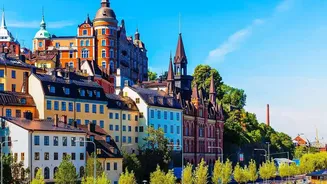
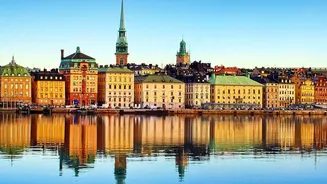
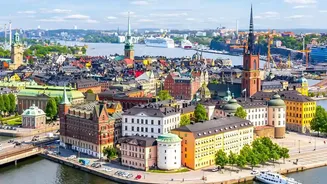
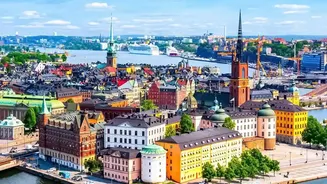
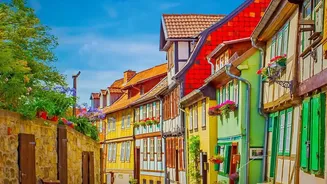
No trip to Sweden is complete without getting lost in Gamla Stan, Stockholm’s medieval heart. Founded in the 13th century, this island neighbourhood is a living museum of north German-influenced architecture, saffron and rust-coloured buildings, and atmospheric
alleyways. While guided tours are plentiful, a self-guided walk offers the freedom to linger. You can chart a course that includes the Royal Palace, the grand Stockholm Cathedral (Storkyrkan), and the historic main square, Stortorget. From there, the real magic begins as you deviate into the side streets. Be sure to find Mårten Trotzigs Gränd, the city's narrowest alley at just 90 centimetres wide, and walk along Västerlånggatan, the main shopping street that follows an ancient route. Free audio guides, such as the one offered by travel writer Rick Steves, can provide historical context as you explore at your own pace.
Visby: A Hanseatic Jewel on Gotland
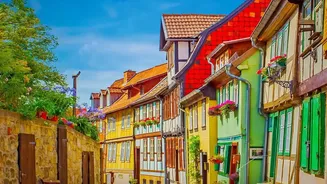
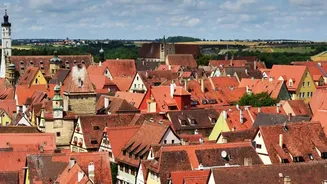
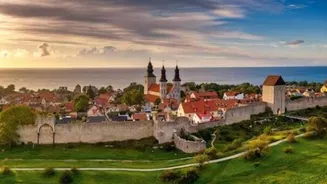
Often called the 'Medieval Manhattan', Visby on the island of Gotland is a UNESCO World Heritage site for a reason. The entire town is a storybook of its past glory as a powerful Hanseatic trading hub. The most dominant feature is the magnificent 3.4-kilometre-long city wall ('Ringmuren'), one of the best-preserved in Europe, which has encircled the town since the 13th century. A walk along or beside the wall is a journey back in time, punctuated by dozens of historic towers. Inside the walls, you’ll find over 200 medieval buildings and a remarkable number of church ruins, like the dramatically arched St. Karin. Start a walk in Almedalen park, the former Viking-age harbour, and wander up toward Sankta Maria Cathedral, the only medieval church still in use here, for stunning views over the red-tiled roofs and the Baltic Sea.
Sigtuna: Where Sweden Began
For a true deep-dive into the nation's origins, a visit to Sigtuna is essential. Founded in the late 10th century, it is considered Sweden's very first town. Located on the shores of Lake Mälaren and easily accessible from Stockholm, Sigtuna offers a compact and profound walking experience. You can stroll down Stora Gatan, which still follows its original Viking-era layout and is considered Sweden's oldest street. The town is dotted with an incredible number of ancient runestones, more than any other town in the world, telling stories of the people who lived here a millennium ago. A self-guided tour can take you past the ruins of several early stone churches, such as St. Olof and St. Per, which hint at the town's former role as Sweden’s first Christian centre. Don't miss the charming 18th-century town hall, one of the smallest in the country.
Lund: Academia Meets the Middle Ages
In southern Sweden, the city of Lund offers a unique blend of medieval history and youthful energy. Founded around 990, it was once the religious capital of Scandinavia. The city's medieval street plan is still largely intact, making it perfect for exploration on foot. The undeniable centerpiece is the colossal Lund Cathedral, a masterpiece of Romanesque architecture consecrated in 1145. A walk around its vicinity reveals a charming old town with ancient buildings and the historic Lundagård park. During its medieval heyday, Lund had nearly 30 churches and monasteries; today, the cathedral and the winding streets around it are the most powerful reminders of its past. The presence of Lund University, founded in 1666, adds a lively atmosphere to the historic setting, creating a fascinating contrast between ancient stones and modern student life.
Tips for Your Free Walking Adventure
To make the most of your self-guided tours, a little preparation goes a long way. Before you set out, download offline maps of the area, as the narrow, winding streets can sometimes confuse GPS signals. Many towns have excellent tourist information offices that provide free maps highlighting key historical sites. Wear comfortable, sturdy shoes, as you’ll be spending a lot of time on cobblestones. The beauty of a self-guided walk is the ability to be spontaneous, so allow yourself extra time to explore intriguing alleyways or pop into a local café for 'fika'—a quintessential Swedish coffee and pastry break. Finally, start early in the morning to enjoy the medieval atmosphere in the softer light and before the larger tour groups arrive.