
Ancient Arts in a New Avatar
Across India, a quiet revolution is taking place. Ancient arts, once confined to temple grounds, akharas, and guru-led paramparas, are finding new life in sleek, modern formats. Age-old movement disciplines like Kalaripayattu, the martial art of Kerala;
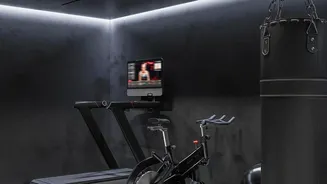
Gatka, the Sikh art of sword fighting; and even classical dance forms are being reimagined. This isn't a case of tradition being replaced, but rather adapted. These practices are being repackaged with modern fitness sensibilities, making them more accessible, understandable, and appealing to a contemporary audience that juggles busy schedules and globalised wellness trends. The goal is often twofold: to offer a holistic alternative to conventional gym workouts and to reconnect a younger, urban generation with the depth and wisdom of their cultural heritage.
From Ritual to Fitness Regimen
Kalaripayattu, often called the 'mother of all martial arts', is a prime example of this evolution. Traditionally a comprehensive system of combat and healing, it is now gaining immense popularity as a full-body fitness regimen. Enthusiasts are drawn to its dynamic, flowing movements and animal-inspired postures that build strength, flexibility, and endurance in a balanced way. Similarly, Gatka, a martial art deeply rooted in Sikh history, is experiencing a resurgence. Once on the verge of decline, it is now being promoted as a competitive sport and a tool for self-discipline, included in events like the Khelo India Youth Games to encourage physical fitness among the youth. This shift transforms these arts from purely martial or ritualistic practices into tools for personal growth, mental focus, and physical well-being.
The Evolution of Dance and Yoga
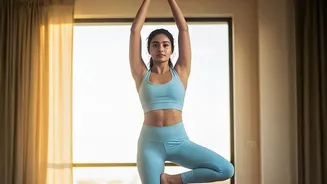
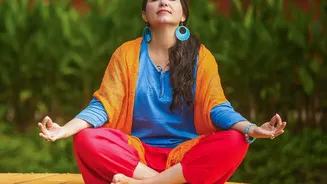
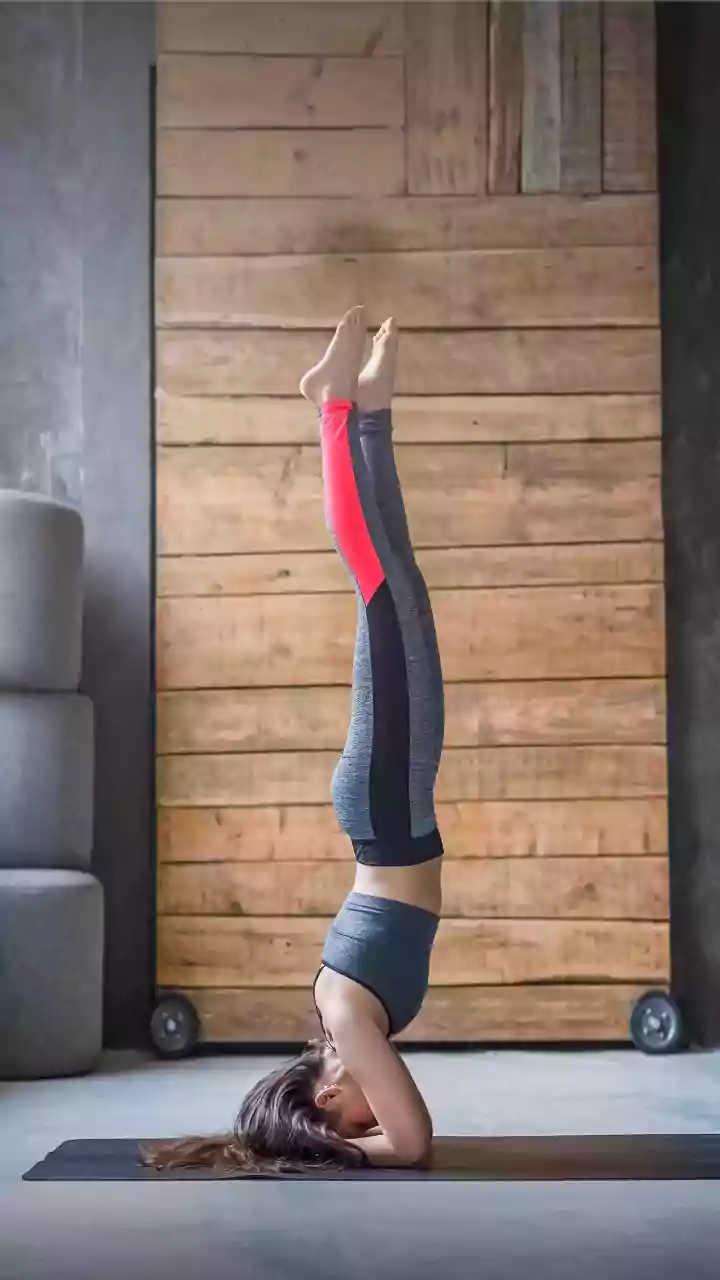
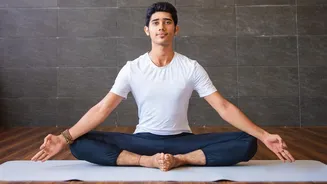
The world of Indian dance is also experiencing a creative surge. Choreographers are blending classical forms like Bharatanatyam and Kathak with contemporary styles, using the traditional vocabulary to explore modern themes beyond mythology. Visionaries like the late Astad Deboo were pioneers in creating a unique style that drew from classical dance, martial arts, and mime to emphasize pure bodily expression. Recent works continue this trend, using the intricate rhythms of Kathak to explore universal human experiences of inner conflict and identity. Yoga, India’s most famous cultural export, is perhaps the most visible example of fusion. Studios now offer everything from 'Yogalates' (a mix of yoga and Pilates) and aerial yoga to sessions paired with Carnatic music or conducted underwater, catering to a wellness market that craves variety and innovation.
Making Heritage Accessible
This repackaging serves a crucial purpose: it makes ancient knowledge accessible. By stripping away some of the rigidity and contextual barriers, instructors are making these forms less intimidating to newcomers. Online tutorials, weekend workshops, and fitness apps now allow people to engage with these practices on their own terms, fitting them into modern lifestyles. For many, it's a way to reclaim a piece of their identity. In a globalised world, engaging in a traditional movement art can be a powerful act of cultural connection, fostering a sense of belonging and pride. This evolution ensures that these traditions are not just preserved as museum pieces but remain living, breathing parts of contemporary Indian life.
The Risk of Dilution
However, this trend is not without its critics or complexities. The central debate revolves around authenticity. When a practice with deep spiritual or philosophical roots is streamlined into a one-hour fitness class, what is lost in translation? Kalaripayattu, for example, is traditionally taught in a sacred space (a 'kalari') and involves aspects of healing and meditation. Turning it solely into a workout risks stripping away this holistic essence. Similarly, when classical dance moves away from its narrative and symbolic foundations, it can risk losing the very depth that makes it unique. There is a fine line between adaptation and dilution, and practitioners constantly navigate the tension between making these arts relevant and preserving their soul.