




Citrus: Oranges, Grapefruits, and More
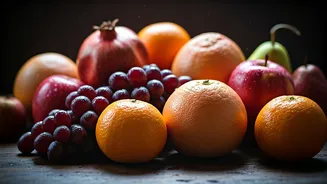
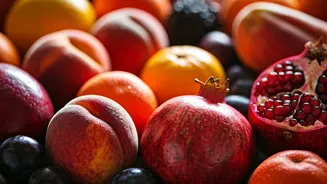
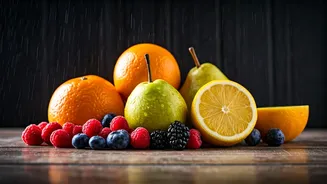
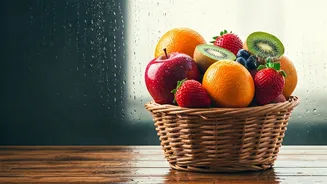
There’s a reason citrus fruits flood the produce aisles from late fall through winter—it’s their peak season. Navel oranges, blood oranges, clementines, and ruby red grapefruits are practically bursting with sweet, tangy juice during the colder months.
They feel like a dose of liquid sunshine on a dreary afternoon. Beyond their bright flavor, citrus fruits are famous for their high Vitamin C content, a key antioxidant that supports the immune system. This makes them a perfect snack when you’re trying to stay healthy during a season known for colds and sniffles. Enjoy them peeled as a simple snack, squeeze them for the freshest juice imaginable, or slice them into salads for a zesty, colorful kick that cuts through rich winter dishes.
Pomegranates: The Ruby-Red Jewels
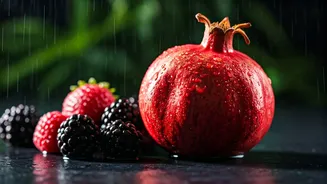
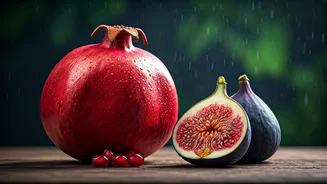
Breaking open a pomegranate feels like discovering a treasure chest. The glossy, jewel-like seeds, called arils, offer a unique combination of sweet and tart flavors with a satisfying pop. Pomegranates are typically harvested in the fall and are available through early winter. They’re packed with antioxidants, including polyphenols, which have been studied for their anti-inflammatory properties. While getting the seeds out can seem intimidating, it’s a rewarding ritual. Use them to top oatmeal or yogurt, sprinkle them over roasted vegetables for a surprising burst of flavor, or mix them into a festive cocktail or mocktail. Their vibrant color alone is enough to brighten any gray day.
Pears: A Comforting Classic
Often overshadowed by apples, pears are a quintessential cool-weather fruit that deserves the spotlight. Varieties like Bartlett, Bosc, and Anjou each offer a distinct texture and flavor profile, ranging from buttery and sweet to crisp and slightly spicy. Pears are a good source of fiber, which aids in digestion and helps you feel full and satisfied—a welcome benefit when the weather makes you want to curl up and snack. They are incredibly versatile. Eat a ripe pear raw for a juicy, delicate treat. For a cozier application, try poaching them in spiced wine or cider, or slice them into a grilled cheese sandwich with a sharp cheddar or brie for the ultimate rainy day comfort food.
Persimmons: The Honey-Sweet Treat
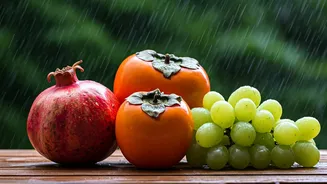
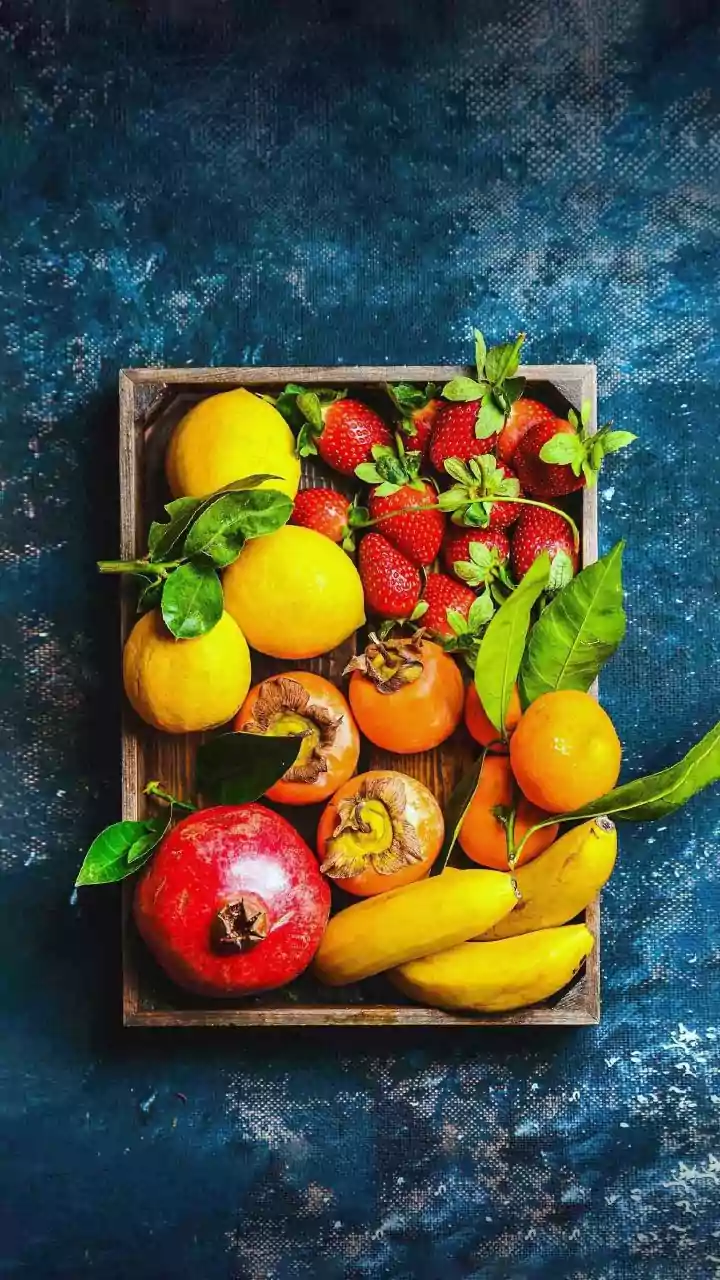
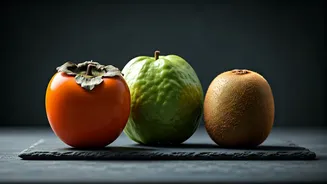
If you’ve never tried a persimmon, the rainy season is the perfect time to start. These beautiful, orange-hued fruits, primarily available from October to January, offer a unique, honey-like sweetness and a smooth, almost jelly-like texture when ripe. There are two main types you’ll find in U.S. stores: the round, squat Fuyu, which is best eaten crisp like an apple, and the acorn-shaped Hachiya, which must be completely soft and custardy before eating to avoid its astringent taste. Persimmons are rich in Vitamin A and antioxidants. Slice Fuyu persimmons into salads or onto a cheese board. For Hachiyas, simply scoop the luscious pulp out with a spoon for a simple, elegant dessert.
Kiwis: A Tropical Punch
While we associate them with tropical climates, kiwis sold in U.S. markets often have a peak season that runs through the winter months, thanks to California crops and imports from the Southern Hemisphere. Their fuzzy brown exterior hides a brilliant green (or sometimes golden) flesh speckled with tiny black seeds. The taste is a vibrant, tangy-sweet explosion that can cut through the monotony of a damp, overcast day. Kiwis are an absolute powerhouse of Vitamin C—containing even more per ounce than an orange—as well as Vitamin K and fiber. They are perfect for adding a tropical note to your morning smoothie, dicing into a fruit salsa, or simply slicing in half and scooping out with a spoon for an easy, energizing snack.
Cranberries: Beyond the Holiday Sauce
Fresh cranberries appear in stores in the fall and are available for just a few months, making them a special seasonal treat. While their intensely tart flavor means they’re rarely eaten raw, they are fantastic for more than just Thanksgiving sauce. Cranberries are known for compounds that may help support urinary tract health and are loaded with antioxidants. Simmer them with a little orange juice and a touch of maple syrup to create a simple, vibrant compote to swirl into yogurt or spoon over pancakes. You can also toss a handful into the batter for muffins or scones, providing bright, tart pops of flavor that beautifully balance the sweetness.