



The Danger Zone: A Critical Window for Bacteria
The core principle of cooling food safely is to move it through the "temperature danger zone" as quickly as possible. According to the U.S. Department of Agriculture (USDA), this zone is the range between 40°F (4°C) and 140°F (60°C). Within this range,
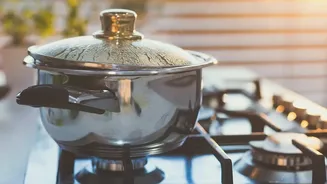
harmful bacteria like Salmonella, E. coli, and Staphylococcus aureus can multiply rapidly, sometimes doubling in number in as little as 20 minutes. A large, dense pot of hot food acts like an insulator, holding heat for hours and creating the perfect environment for this bacterial growth. Simply placing a hot stockpot in the refrigerator isn't enough; the contents can stay in the danger zone for far too long, posing a significant risk for foodborne illness.
The Two-Step Cooling Clock
Food safety authorities have established a clear timeline for safe cooling, often referred to as the two-stage method. The first, most critical stage is to cool food from 140°F (60°C) down to 70°F (21°C) within two hours. This is because bacterial growth is fastest in the upper part of the danger zone. Once the food is below 70°F, you have an additional four hours to bring it down to 40°F (4°C) or below for safe refrigeration. The entire process should not take more than six hours in total. Adhering to this two-part clock is one of the most effective ways to prevent leftovers from becoming unsafe.
The Golden Rule: Divide and Conquer with Shallow Pans
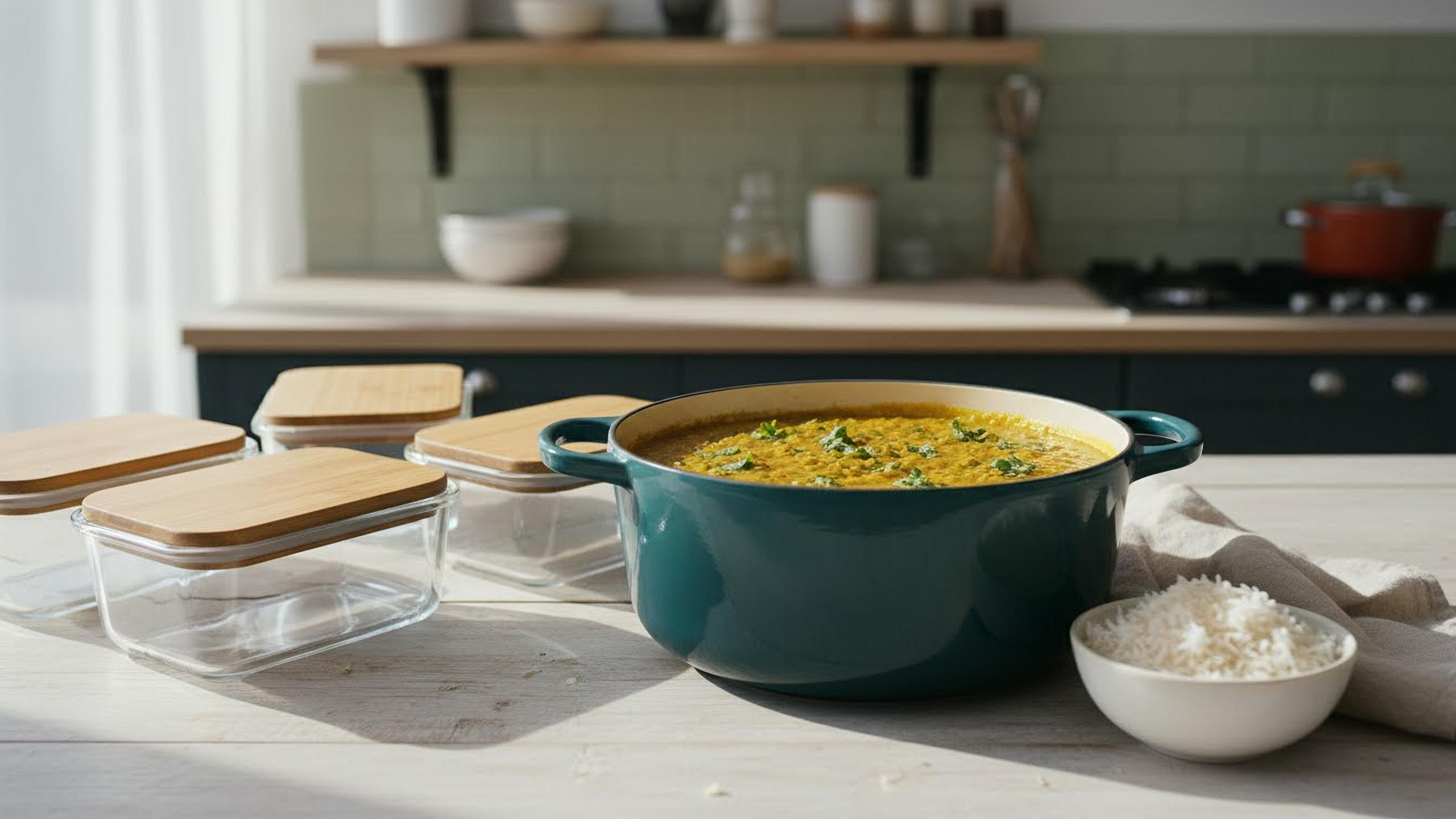
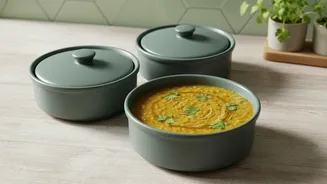
The single most effective technique for rapid cooling is to increase the food's surface area. Instead of trying to cool a single large pot, divide the contents into multiple shallow containers. Aim for a food depth of two inches or less. This allows heat to escape much more efficiently. A large portion of chili in a deep pot might take many hours to cool, but the same chili spread across several shallow pans can move through the danger zone in a fraction of the time. Metal containers, like stainless steel pans, are particularly effective as they transfer heat away from the food faster than plastic or glass. By portioning out your leftovers before you chill them, you are actively making them safer.
Active Cooling Techniques to Speed Things Up
Beyond using shallow pans, you can take active steps to accelerate the cooling process. One popular method is an ice bath. Place your smaller containers of hot food into a larger basin or sink filled with ice and cold water. Stirring the food during this process helps to distribute the cold and release heat even faster. For soups and stews, you can even add ice directly into the food if it won't negatively affect the final consistency. Commercial kitchens often use tools called cooling paddles—large plastic wands filled with frozen water—to stir and cool large batches from the inside out. While not common at home, the principle of stirring and adding a cooling element is highly effective.
Smart Refrigerator and Storage Practices
Once your food is cooling, make sure your refrigerator is set to 40°F or below. When placing the shallow containers inside, allow for some air space around them to promote circulation. It's acceptable to put warm (not piping hot) food into the fridge. You can even leave the lids slightly ajar on the containers until the food is fully chilled to let steam and heat escape, then seal them tightly for storage. Once cooled, leftovers are generally safe to eat for 3 to 4 days when refrigerated. For longer storage, transfer them to airtight, freezer-safe containers. Properly cooled and stored leftovers mean you can enjoy your delicious meal again without worry.