





A Record-Breaking Dry Spell
July 2026 will be remembered for its lack of rain in India's technology capital. The India Meteorological Department (IMD) city observatory recorded just 23 mm of rainfall for the entire month. This figure is dramatically lower than the typical average
of 80 mm to 100 mm for July. Historical records show this was the most severe July dry spell since 1918, when a mere 18.5 mm of rain was recorded, making the past month the second-driest in over a century. The dry conditions were compounded by unusual heat, with Bengaluru also recording its hottest July day in 112 years on July 14, 2026, when temperatures hit 33.6°C. This combination of record heat and minimal rain has erased the healthy surplus built up by strong pre-monsoon showers earlier in the year.
Why Did the Rains Vanish?
Meteorological experts point to a combination of factors for the failed July monsoon. An offshore trough along the west coast, which typically drives rain into the interior of Karnataka, remained largely inactive for most of the month. While this system brought some light showers at the very end of July, it was too little, too late. Furthermore, the monsoon's westerly winds have been weak and lacking the necessary moisture to trigger significant rainfall over the region. The broader climatic backdrop includes a moderate El Niño effect, a weather pattern known for suppressing monsoon rainfall in India, which is expected to strengthen in the coming months. This has contributed to a significant rainfall deficit not just for Bengaluru, but for the entire South Interior Karnataka region.
The Ripple Effect on Water Supply
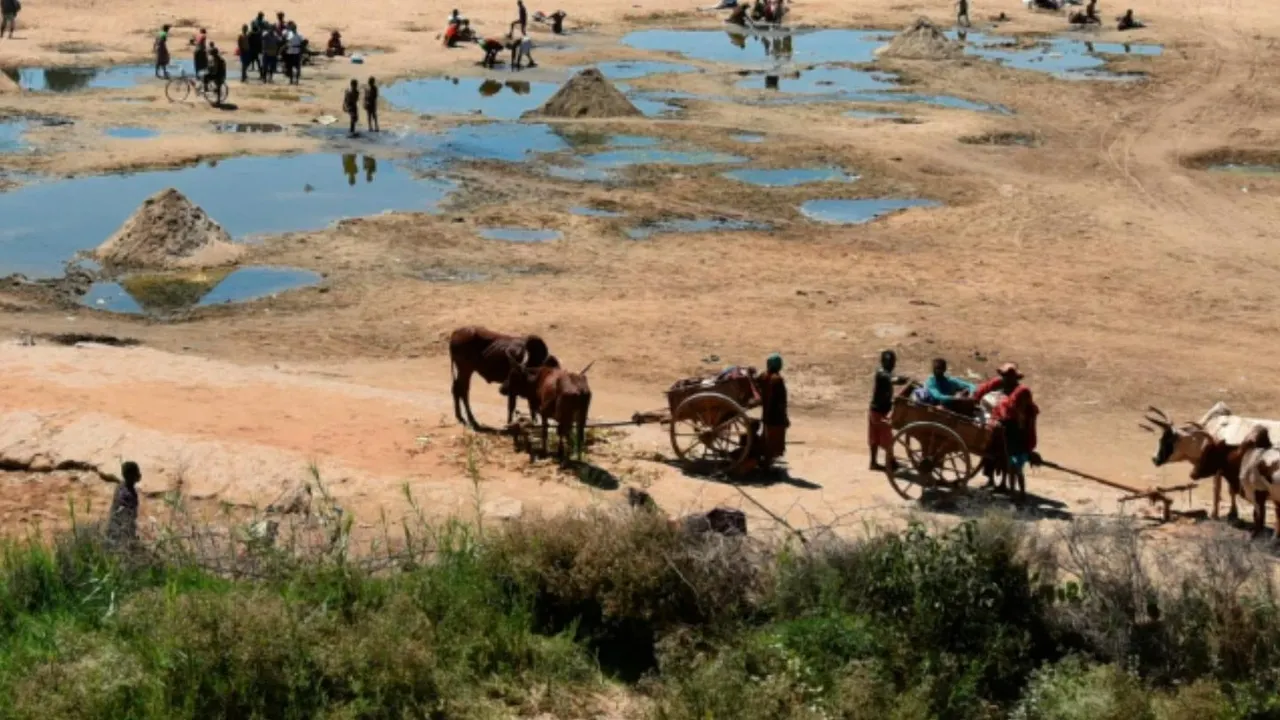
The immediate concern for Bengaluru's nearly 14 million residents is the impact on the city's water lifeline, the Cauvery river basin. The Krishnaraja Sagar (KRS) reservoir, a primary source of drinking water, has seen its levels remain worryingly low. In late July, officials from the Bangalore Water Supply and Sewerage Board (BWSSB) cautioned that the city had enough water reserves for only five to six months if the rains continued to fail. While recent rains in the catchment areas have improved inflows, allowing Karnataka to release some water to Tamil Nadu as part of the interstate water-sharing agreement, the situation remains precarious. The dependency on reservoirs becomes acute as thousands of borewells across the city have run dry due to the depletion of groundwater, a problem exacerbated by poor rainfall in previous years.
Impact Beyond the Urban Sprawl
The rainfall deficit extends far beyond the city limits, hitting Karnataka's agricultural heartland hard. Farmers across several districts are reporting significant damage to standing crops like sugarcane, onion, and chilli due to moisture stress. Sowing targets for essential crops such as green gram and black gram were not met due to the lack of rain in June and July. Farmer organisations have already begun demanding that the government declare the state as drought-affected and provide immediate relief, including loan waivers and compensation. This widespread agricultural distress threatens not only the livelihoods of farmers but could also lead to food price inflation and broader economic strain if the situation does not improve.
An Anxious Wait for August Rains
All eyes are now on the sky, as August and September are typically Bengaluru's wettest months. However, the forecast offers a mixed bag of hope and caution. The IMD predicts a brief revival of rainfall between August 6 and August 12, but suggests that monsoon activity is likely to remain weak for much of the rest of the month. The forecast for August and September as a whole points towards below-normal rainfall, partly due to the strengthening El Niño conditions. Despite the dry July, officials remain hopeful that sustained rainfall in the coming weeks could still bring the city's annual total closer to the normal range, thanks to the robust pre-monsoon showers. The performance of the monsoon in the next 60 days will be critical in determining whether Bengaluru can avert a more severe water crisis.