







Registration and Medical Fitness
Your journey begins long before you reach the mountains. The first crucial step is to register with the Shri Amarnathji Shrine Board (SASB). For the 2026 yatra, registration can be done online via the official SASB website or offline at designated bank
branches, starting from mid-April. A key requirement for registration is the Compulsory Health Certificate (CHC), which must be obtained from a doctor or hospital authorized by the board. This certificate confirms your physical fitness for the high-altitude trek, as the cave is situated at 3,888 metres. Note that individuals below 13 years, over 70 years, or pregnant women beyond six weeks are not permitted to undertake the pilgrimage. Once registered, every pilgrim must collect a Radio Frequency Identification (RFID) card, which is mandatory for tracking and security.
Physical Preparation and Acclimatisation
The Amarnath Yatra is a test of both faith and endurance. To prepare your body for the strenuous trek, start a fitness routine at least a month in advance. Daily walks of 4-5 kilometres are recommended to build stamina. Incorporating deep-breathing exercises and yoga, such as pranayama, can significantly improve your body's oxygen efficiency, which is vital at high altitudes. Proper acclimatisation is non-negotiable to prevent Acute Mountain Sickness (AMS). It is wise to arrive in Jammu or Srinagar a day or two before starting your trek to allow your body to adjust. Staying well-hydrated is also crucial; aim to drink about five litres of water daily.
Choosing Your Route: Pahalgam vs. Baltal
Pilgrims can reach the holy cave via two distinct routes: the traditional Pahalgam path or the shorter Baltal route. The Pahalgam route is longer, stretching about 36-48 kilometres over 3-5 days. It is a more gradual climb, offering breathtaking scenery, and is often recommended for first-timers, families, and senior citizens. The Baltal route is much shorter at around 14-16 kilometres and can be completed in a single day by fit individuals. However, it is significantly steeper and more demanding. Your choice depends on your fitness level, available time, and the kind of experience you seek. For those unable to trek, helicopter services are available to Panjtarni, which is a short distance from the cave.
Essential Packing List
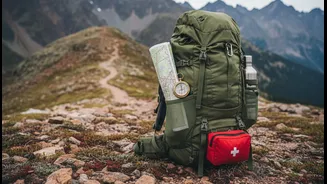
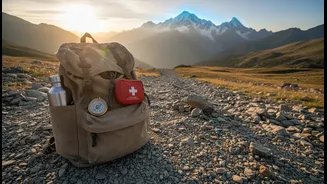
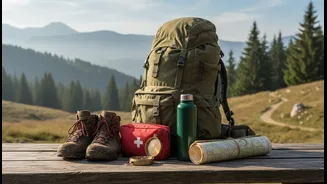
Packing light but smart is key. The weather in the Himalayas is unpredictable, with temperatures sometimes dropping below 5 degrees Celsius. Layering is the best strategy. Your backpack should include thermal innerwear, woollen clothes, a waterproof and windproof jacket, and a raincoat or poncho. Sturdy, waterproof trekking shoes with good grip are absolutely essential. Also pack woollen socks, gloves, and a cap. Your kit should also contain a first-aid box with personal medications, painkillers, bandages, and medicine for altitude sickness. Carry sunscreen, sunglasses to protect against snow glare, a torch with extra batteries, and a power bank. High-energy snacks like dry fruits and energy bars will help you stay fuelled during the trek.
Safety On the Trail
During the yatra, always stick to the designated trails and travel with a group. Walk at a steady, comfortable pace and take regular breaks to avoid overexertion. Heed all instructions from security personnel and pay attention to weather warnings, as conditions can change rapidly. It is crucial to recognise the symptoms of AMS, which include dizziness, nausea, headaches, and breathlessness. If you experience any of these symptoms, do not ignore them. Descend to a lower altitude immediately and seek medical attention. Medical posts are available every couple of kilometres along the routes for assistance. Finally, respect the pristine environment by not littering and using the provided facilities.