









The Unseen Dangers of a Balcony
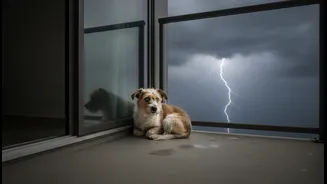
A balcony may seem like a safe, contained outdoor space, but during a thunderstorm, it transforms into a high-risk environment for a frightened pet. The primary danger is the flight response. A panicked dog or cat can exhibit surprising strength and agility,
and there are documented cases of pets attempting to jump or break through railings to escape the terrifying sounds and flashes of light. This can lead to serious or fatal falls. Furthermore, the sensory overload is immense; the sound of thunder is amplified, lightning flashes are unfiltered, and changes in barometric pressure and static electricity can be intensely distressing for animals. Metal railings can even conduct electricity, posing a remote but real lightning risk. An exposed balcony offers no retreat from this multi-sensory assault, escalating their panic and stress significantly.
How to Recognize Storm Anxiety
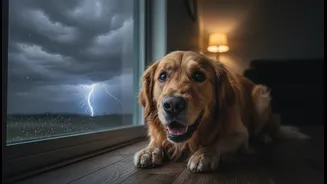
Not all pets wear their anxiety the same way. While some reactions are obvious, others can be subtle. Being able to spot the signs early is key to providing comfort before the fear escalates. Common symptoms of storm phobia in both dogs and cats include trembling or shaking, excessive panting and drooling, and hiding in small, enclosed spaces like closets or under beds. You might also notice increased vocalization, such as whining, howling, or persistent barking. In more severe cases, a pet might engage in destructive behavior like chewing on furniture or scratching at doors and windows in a frantic attempt to escape. Some animals become intensely clingy, while others may pace relentlessly or even lose control of their bladder or bowels. Recognizing these behaviors as signs of distress, not disobedience, is the first step toward helping your pet cope.
Create an Indoor Safe Haven
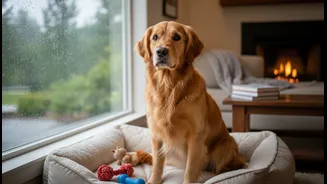
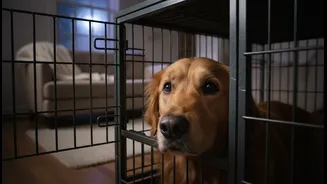
The best defense against storm anxiety is a pre-prepared safe space indoors. This 'den' should be in a location where the storm's impact is minimized, like an interior room, a closet, or a basement with no windows. If your pet is crate-trained and views their crate as a sanctuary, this is an ideal option. Make the space comfortable and inviting with their favorite soft bedding, a blanket that smells like you, and some familiar toys. Closing curtains and blinds can block out startling flashes of lightning, while playing calming music or turning on a white noise machine can help muffle the sound of thunder. The goal is to give your pet a secure place they can retreat to on their own terms, empowering them to seek comfort when they feel overwhelmed.
Soothing Strategies During the Storm
Once the storm hits, your calm demeanor is one of your most powerful tools; pets are highly attuned to their owners' emotions, so if you remain relaxed, it can help them feel more secure. Distraction can also be highly effective. Engage your pet in a gentle game of tug, or provide a long-lasting chew or a food puzzle toy to keep their mind occupied. Many owners find success with anxiety wraps, such as the ThunderShirt, which apply gentle, constant pressure that has a swaddling, calming effect on many animals. Pheromone diffusers, which release calming synthetic hormones, can also help reduce stress levels in the environment. It's a common myth that comforting your pet will reinforce their fear; experts now agree that offering gentle petting and soothing words is perfectly fine and can help your pet feel safe.
When Professional Help is Needed
For some pets, storm phobia is too severe to be managed by these strategies alone. If your pet's anxiety leads to self-injury, extreme destructive behavior, or if their fear seems to worsen with every storm, it is time to consult a veterinarian. A vet can rule out any underlying medical issues that might be contributing to the anxiety and discuss a more comprehensive behavior modification plan. This might involve desensitization techniques, where the pet is gradually exposed to storm sounds in a controlled, positive way. In some cases, a veterinarian may prescribe short-term anti-anxiety medication to be given before a storm hits to ensure the pet's safety and well-being.