







The Fermentation Fascination
A growing number of urban homemakers are turning their kitchens into science labs, driven by a desire for healthier, more natural food options. The interest in fermented foods is booming, thanks to a greater awareness of gut health and the role of probiotics.
This DIY movement is not just about health; it's a creative outlet and a way to reclaim control over what the family consumes. It's a return to mindful, slow-food practices in a fast-paced world. The appeal is twofold: mastering a global trend like kombucha offers a sense of modern accomplishment, while reviving a traditional drink like kanji is a delicious link to our roots.
Kombucha: The Global Gut-Health Star
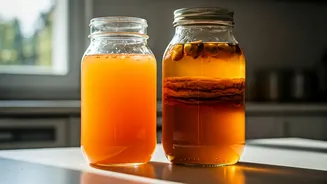
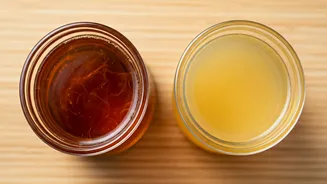
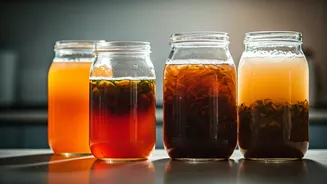
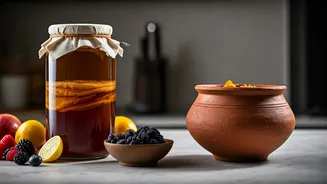
Kombucha is a fermented tea beverage made using a SCOBY (Symbiotic Culture of Bacteria and Yeast). This rubbery, pancake-like disc is the heart of the operation, turning sweet tea into a tangy, fizzy, probiotic-rich drink over 7 to 12 days. To start, you need just four basic ingredients: filtered water, black or green tea, sugar, and a SCOBY with some starter tea from a previous batch. The process is simple: brew strong, sweet tea, let it cool completely, pour it into a large glass jar, and then gently add your SCOBY and starter liquid. Cover the jar with a breathable cloth and let it ferment at room temperature, away from direct sunlight. The key is patience and hygiene to prevent mold and ensure a healthy brew.
Kanji: The Desi Probiotic Powerhouse
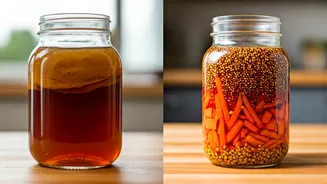
Kanji is a traditional North Indian fermented drink, often made with black carrots during winter, which give it a deep purple hue. Unlike kombucha, kanji requires no special SCOBY. It relies on the natural bacteria present on the vegetables and the magic of crushed mustard seeds for fermentation. The recipe is wonderfully simple: chopped carrots (and often beetroot for colour) are placed in a glass or ceramic jar with water, salt, red chilli powder, and coarsely ground mustard seeds. This jar is then kept in a sunny spot for three to eight days, with a daily stir. The liquid will turn cloudy and develop a tangy, pungent flavour, signalling that your probiotic-packed kanji is ready to be chilled and served.
A Tale of Two Ferments: Global vs. Local
While both drinks are prized for their probiotic content, they are worlds apart in taste and technique. Kombucha is tea-based, effervescent, and has a sweet-tart flavour profile that can be customized with a second fermentation using fruits and spices. Kanji is savoury, salty, and pungent, with an earthy taste from the carrots and a spicy kick from the mustard. Kombucha's fermentation is driven by a specific, reusable SCOBY, making the process more controlled. Kanji's wild fermentation is simpler to start but relies on the quality of your fresh ingredients. For those watching their sugar intake, kanji is a clear winner as it is naturally low in sugar. However, kombucha may offer a wider variety of beneficial bacteria and yeasts.
Tips for Fermentation Success
Mastering these ferments is a rewarding journey. For kombucha, always ensure your sweet tea has cooled to room temperature before adding the SCOBY to avoid harming the culture. Use a tight-weave cloth cover, as cheesecloth won't keep fruit flies out. For kanji, using fresh, high-quality vegetables is crucial for a successful wild fermentation. Keep the jar in the sun to encourage the process, and stir it daily with a clean spoon. For both drinks, hygiene is paramount. Always use thoroughly cleaned glass jars and non-metallic utensils when handling your brews to prevent contamination and ensure a safe, delicious result.