





The Final Act of the Monsoon
The four-month monsoon season is the lifeline of India's economy, delivering about 70% of the country's annual rainfall. While July and August are the wettest months, the September rains are critical for a different reason. They are essential for the final
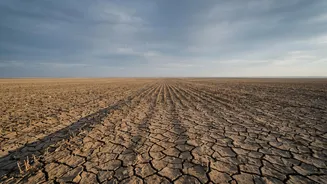
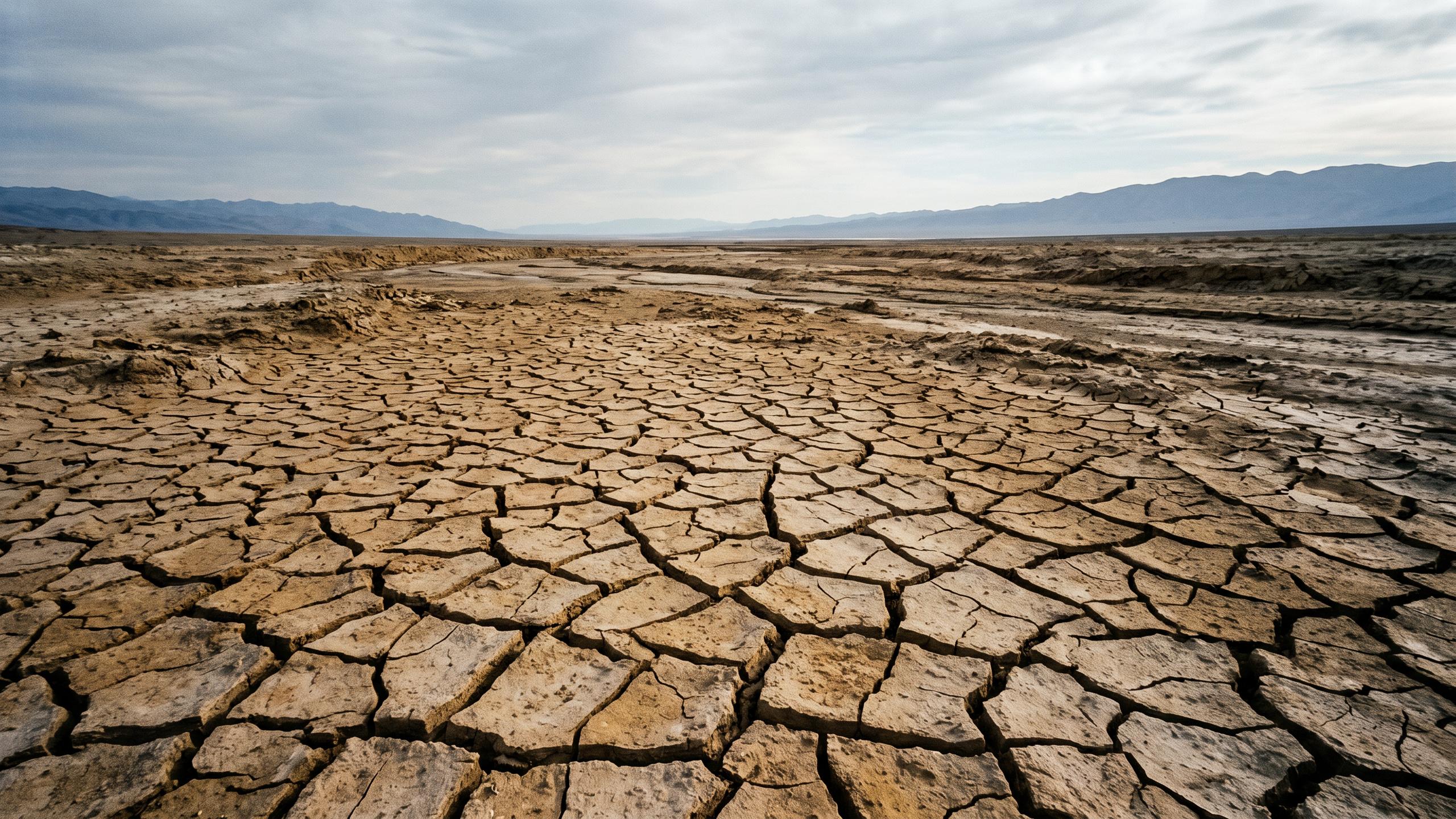
growth stage of kharif (summer) crops, helping with grain filling and pod development. A weak September can negate the benefits of good rainfall earlier in the season. With a strong El Niño pattern suppressing rainfall this year, forecasters predict that September could end with a significant deficit, following a drier-than-usual August.
A Double Hit for Farmers
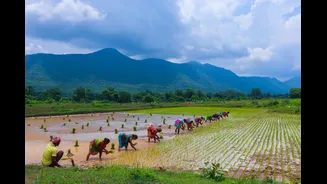
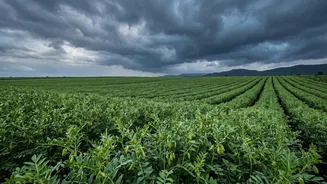
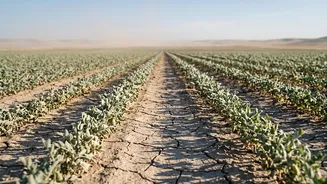
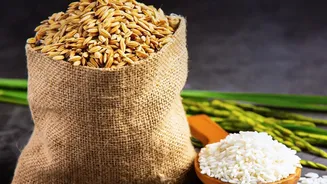
The most immediate impact of a dry September is on agriculture, which employs nearly half of India's population. Key kharif crops like rice, pulses, and soybeans are in their make-or-break phase, where moisture stress can severely damage yields. This directly threatens food production, with some estimates suggesting potential output cuts for rice and corn. But the consequences don't stop there. September rains are vital for ensuring there is enough moisture in the soil for farmers to plant their rabi (winter) crops, such as wheat and rapeseed. A dry end to the monsoon could therefore jeopardise both the current harvest and the next planting cycle.
Dwindling Water and Power
Beyond the fields, the monsoon's performance dictates the health of India's water reservoirs. These dams are crucial for drinking water supply, irrigation, and hydroelectric power generation through the dry winter and summer months. Even before the weak end to the season, water levels in many of the country's major reservoirs were already below the levels of last year and, in some regions, below the long-term average. A drier September will only worsen this situation, straining water resources and potentially leading to lower electricity generation from hydropower projects. This could force a greater reliance on other, more expensive sources of energy.
The Economic Ripple Effect
The agricultural sector's fortunes are deeply intertwined with the wider economy. Lower farm output often translates into higher food inflation, a major concern for household budgets and the government. Reduced rural incomes also dampen demand for consumer goods like two-wheelers and fast-moving consumer goods (FMCG), which rely heavily on the rural market. This slowdown in consumption can act as a drag on overall GDP growth. Furthermore, financial institutions with significant exposure to the agricultural sector, particularly microfinance institutions, may face increased risks as farmers' ability to repay loans comes under pressure.
A Test of National Resilience
The prospect of a dry September is a stark reminder of the economy's vulnerability to climate patterns like El Niño. While India has made strides in building resilience, with buffer stocks of food grains and improved irrigation, a large portion of its agriculture remains rain-fed. The government has flagged the intensifying El Niño as a risk and is preparing contingency plans, including promoting drought-resistant crops. However, the cascading effects—from lower farm yields and strained water supplies to rising inflation and slower economic activity—show that the monsoon's influence lasts long after the rains have stopped.