



The Humidity Problem: Why Food Spoils Faster
The single biggest challenge during the monsoon is the increased moisture in the air. High humidity creates the ideal environment for microorganisms like bacteria, fungi, and mould to thrive and multiply at an accelerated rate. This is why bread develops
fuzzy green spots, leafy vegetables wilt into a soggy mess, and even dry spices can lose their flavour or develop mould. The combination of warmth and dampness means that food items spoil much quicker than in drier seasons, making proper storage and purchasing habits essential to avoid both food waste and potential illness. Common foodborne illnesses like gastroenteritis, food poisoning, and even more severe infections like cholera and typhoid see a spike during the rainy season, often linked to contaminated food and water.
Delicate Foods: Who Are the Main Culprits?
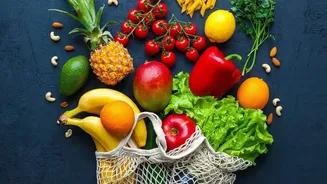
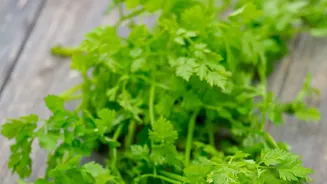
Certain foods are particularly vulnerable to the monsoon's humid assault. Being aware of this high-risk list can help you adjust your shopping strategy. Leafy greens like spinach, coriander, and methi are prime targets, often rotting from the inside out. Milk and dairy products such as paneer and yoghurt spoil very quickly due to faster bacterial growth in the humid air. Bread and other bakery items are notorious for developing mould almost overnight. Fresh produce with high water content, like tomatoes and berries, can turn mushy and develop spots in just a couple of days. Even cut fruits and vegetables carry a higher risk of microbial contamination. Lastly, meats and seafood are extremely perishable and require immediate and proper refrigeration to prevent rapid bacterial multiplication.
The 'Small Quantity' Strategy
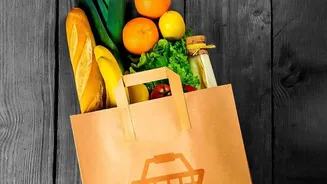
While buying in bulk can feel efficient, it's a counterproductive strategy during the monsoon for perishable goods. The core advice from nutritionists and food safety experts is to shift to buying smaller quantities more frequently. Instead of a large monthly grocery run, consider weekly or even twice-weekly trips for fresh items. This approach ensures that you use up delicate foods like vegetables, bread, and dairy before they have a chance to spoil. It significantly reduces the risk of consuming something that has started to turn, and it cuts down on the amount of food—and money—that ends up in the bin. For shelf-stable items like lentils, rice, and oils, you can still buy monthly, but ensure they are stored correctly.
Smart Shopping and Storage Tips
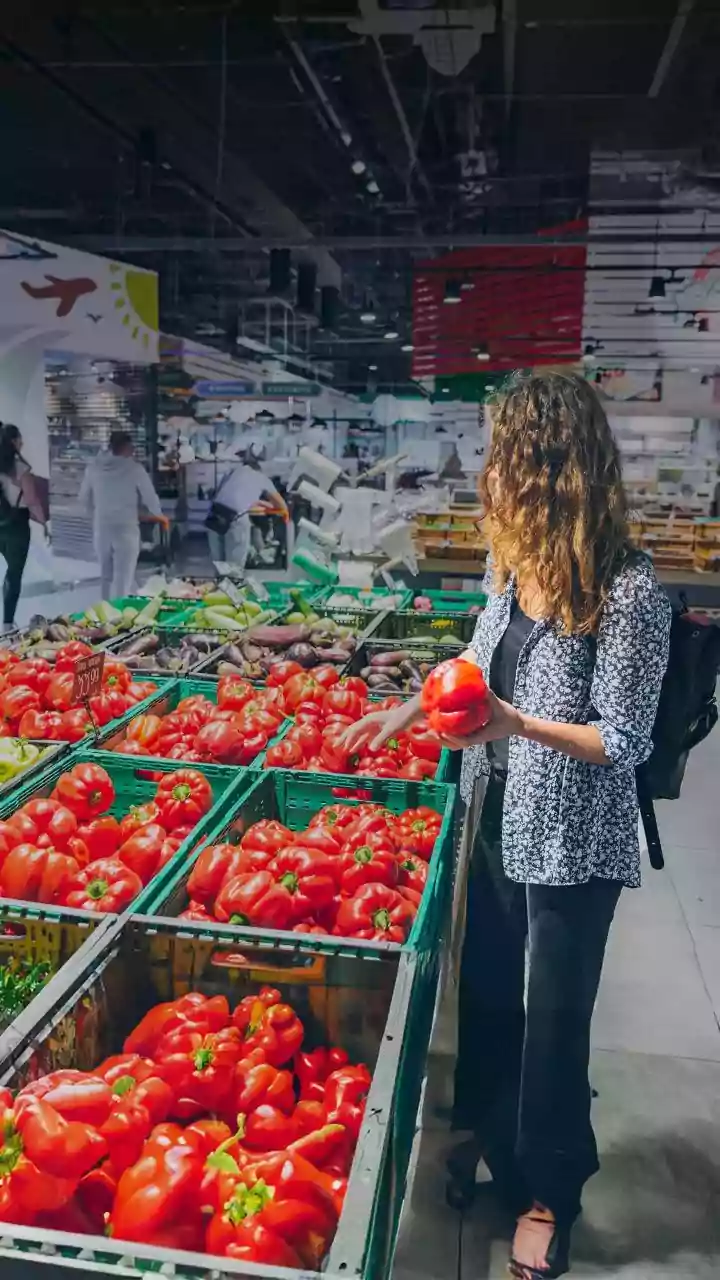
Beyond buying less, how you shop and store makes all the difference. When buying vegetables, inspect them carefully for any signs of wilting, bruising, or decay. Once home, wash them thoroughly; some experts suggest a rinse with salt water to help remove germs. Crucially, you must dry them completely before storage, as leftover moisture is the enemy. Wrapping leafy greens in paper towels or newspaper can help absorb excess moisture before refrigerating. For pantry staples like spices, flour, and pulses, transfer them from their market bags into clean, dry, airtight containers—preferably glass or steel—to keep humidity out. Adding a bay leaf to rice or flour containers is a traditional trick to deter pests. Finally, keep your refrigerator clean and set to a cool temperature, ensuring raw meats are stored separately from other foods to prevent cross-contamination.