






The Core Difference: Sprint vs. Marathon
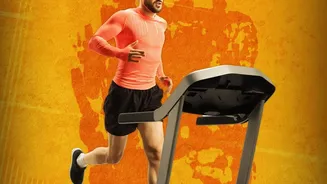
At its heart, the choice between HIIT and LISS is a choice between intensity and duration. High-Intensity Interval Training (HIIT) involves short, explosive bursts of all-out effort followed by brief recovery periods. Think 30 seconds of sprinting, then
60 seconds of walking, repeated for 15-20 minutes. Your heart rate soars to 85-95% of its maximum capacity during the intense intervals. In contrast, Low-Intensity Steady-State (LISS) is the opposite. It involves maintaining a consistent, manageable pace for a longer duration, typically 30-60 minutes. Activities like brisk walking, light jogging, or cycling where you can still hold a conversation are classic LISS examples. Here, your heart rate stays in a comfortable 50-65% range.
The Time Factor: Maximum Results in Minimal Minutes?
For the time-crunched corporate employee, HIIT's biggest selling point is efficiency. A 15-25 minute HIIT session can deliver cardiovascular benefits similar to a much longer LISS workout. This makes it incredibly appealing when you're trying to squeeze a workout between meetings or after a long commute. LISS, by definition, requires a larger time commitment per session to be effective. However, its lower intensity means it's less taxing on the body, so you could potentially do it more frequently—perhaps even a brisk walk during your lunch break every day.
The Calorie Burn: Afterburn vs. The Long Haul
HIIT is famous for the 'afterburn effect', scientifically known as Excess Post-Exercise Oxygen Consumption (EPOC). The sheer intensity revs up your metabolism so much that you continue to burn calories at a higher rate for hours after the workout is over. LISS, on the other hand, burns a higher percentage of calories from fat during the actual workout. While the immediate afterburn is minimal compared to HIIT, a longer 45 or 60-minute session can add up to a significant total calorie burn. Ultimately, studies show that when total work is matched, both methods lead to similar fat loss results over time; the key is creating a consistent calorie deficit.
Injury Risk and Sustainability: A Key Concern for Desk Workers
This is where the decision gets personal. HIIT is high-impact and demanding, which increases the risk of injury, especially for beginners or those not used to explosive movements. After sitting all day, jumping into an intense session without a proper warm-up can be a recipe for strains. LISS is significantly gentler on the joints and nervous system. This makes it a safer starting point and a more sustainable long-term habit for many. It's also excellent for managing stress, acting as a form of moving meditation to decompress from a high-pressure workday.
The Verdict: Which Is Best for Your 9-to-5 Life?
There is no single 'best' cardio; there is only what's best for you. Your choice should depend on your schedule, fitness level, and personal enjoyment. Choose HIIT if you are extremely short on time, already have a base level of fitness, and enjoy pushing your limits. Two to three sessions per week are plenty. Choose LISS if you are new to exercise, are prone to injury, or find that a calmer workout helps you de-stress. It's also great for active recovery on days you're not doing strength training. The most effective approach for many is a combination of both. A couple of HIIT sessions on your most energetic days, paired with two or three LISS sessions during the week, can offer the metabolic benefits of intensity and the sustainable, stress-reducing benefits of steady-state cardio.