






Why Airports Are Rolling Out the Welcome Mat
The shift isn’t happening by accident. It's a direct response to the explosive growth of the family travel market. With rising disposable incomes and a post-pandemic urge for shared experiences, family holidays have become a top priority for households.
One market report projects the global family travel market will grow from over $1.2 trillion in 2025 to nearly $2.2 trillion by 2034. Airports, once designed purely for transit, now see family-friendliness as both a competitive advantage and a significant revenue driver. The logic is simple: when families are relaxed and children are entertained, parents are more likely to spend time and money on dining and retail. A smooth journey through security and a pre-flight play session can transform a family's entire travel outlook, turning a stressful obligation into a pleasant experience.
The Anatomy of a Child-Friendly Airport
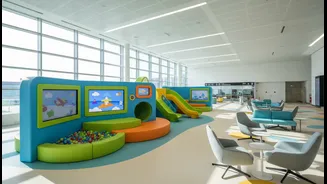
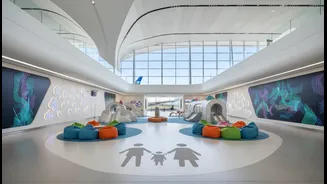
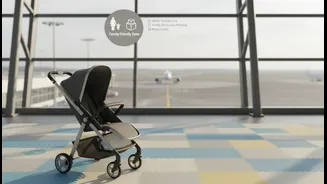
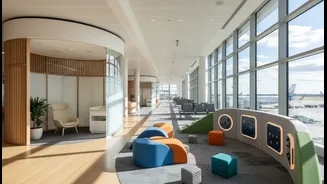
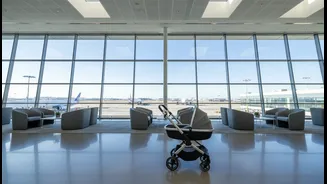
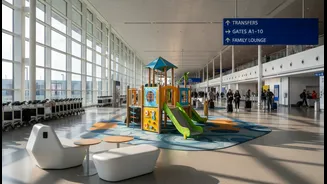
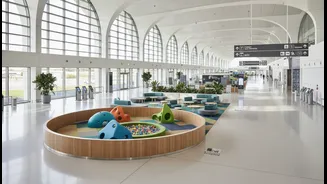
So, what exactly makes an airport family-friendly? It’s a combination of thoughtful infrastructure and services designed to ease common pain points for parents. Dedicated family security lanes are a major feature, allowing parents to manage strollers, liquids, and children without holding up other passengers. Clean, private, and well-equipped baby care rooms with changing tables and comfortable seating for nursing have become a global standard. Beyond the basics, vibrant and safe children's play areas are now essential. These zones allow kids to burn off energy before a long flight and give parents a much-needed break. Other key amenities include complimentary stroller services, kid-friendly menus in restaurants, family restrooms, and even sensory rooms designed to provide a calm environment for neurodivergent children.
India's Airports Join the Global Vanguard
This global trend has firmly taken root in India, with several major airports earning international praise for their family-focused initiatives. In a recent 2026 ranking, both Hyderabad’s Rajiv Gandhi International Airport (HYD) and Bengaluru’s Kempegowda International Airport (BLR) were listed among the world's top five most family-friendly hubs. Hyderabad was lauded for its multiple play areas, complimentary strollers, and trained staff ready to assist families, while Bengaluru was recognised for its modern facilities, baby care rooms, and inclusive spaces like sensory rooms. Not to be outdone, Delhi’s Indira Gandhi International Airport (DEL) launched its comprehensive “Family@DEL” programme in early 2026. This initiative offers a seamless experience across all terminals with dedicated family check-in counters, priority security lanes, and colourful play zones to ensure the journey is smoother from kerb to gate.
Lessons from the World's Best
For years, airports like Singapore’s Changi have set the gold standard. Changi is more than an airport; it's a destination in itself, featuring a giant indoor waterfall, a butterfly garden, multiple themed playgrounds, and even a free cinema. It demonstrates how integrating entertainment and nature can fundamentally change the airport experience. Similarly, international hubs like Seoul Incheon and Istanbul have been consistently ranked at the top for their blend of efficiency and family-centric design, from interactive digital play walls to priority immigration clearance for families. These pioneers have proven that investing in the family experience pays dividends in passenger satisfaction and airport reputation, creating a blueprint that others are now eagerly following.