



The Golden Rule: Soak and Dry
The most common mistake with cacti and succulents is not necessarily watering too often, but keeping the soil constantly moist. These plants evolved in arid environments where rainfall is infrequent but heavy. To mimic this, adopt the 'soak and dry' method.
This means you should water the plant thoroughly, completely saturating the soil, and then wait for the soil to dry out entirely before you even think about watering it again. Sticking your finger about two inches into the soil is a reliable test; if you feel any moisture at all, put the watering can down and wait. A pot that feels surprisingly light is also a good sign that the soil is dry.
How to Water Correctly
When it's time to water, don't be shy. A light sprinkle or misting from a spray bottle is ineffective and can lead to weak, shallow roots. Instead, water the soil directly until it begins to run out of the pot’s drainage holes. This ensures the entire root system gets a deep drink. For this reason, a pot with drainage is non-negotiable. An increasingly popular technique is 'bottom watering', where you place the pot in a tray of water for 15-30 minutes, allowing the soil to absorb moisture from the bottom up. This method is excellent for ensuring the soil is fully saturated without getting water on the leaves, which can sometimes lead to rot. After either method, always let the pot drain completely and never leave it sitting in a saucer of standing water.
Reading the Signs of Distress
Your plant will tell you what it needs. The key is learning to interpret the signals for overwatering and underwatering, which can sometimes look similar. Overwatered succulents often have leaves that are soft, mushy, and may appear translucent or yellow. They might drop leaves with the slightest touch. This is a sign of root rot, the most common killer of these plants. In contrast, an underwatered succulent will have wrinkled, shrivelled, or 'deflated' leaves. The plant might also start dropping its lower leaves, which will be dry and crispy. When in doubt, it is always safer to wait a few more days before watering. A thirsty succulent is much easier to save than a rotting one.
It's Not Just About the Water
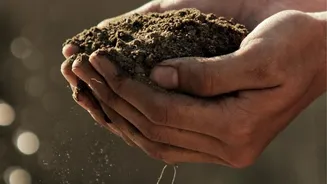
Proper watering is part of a larger system. The right soil and pot are crucial. Cacti and succulents need a gritty, well-draining soil mix, often labeled for 'cactus and succulents'. Regular potting soil holds too much moisture. You can improve a bagged mix by adding inorganic materials like pumice, perlite, or coarse sand to increase drainage and aeration. The pot material also matters. Terracotta pots are porous and allow soil to dry out faster, making them a forgiving choice for beginners. Regardless of material, ensure your pot has at least one drainage hole.
Adjusting for the Seasons
A rigid watering schedule is destined to fail because a plant's needs change throughout the year. Spring and summer are the active growing seasons for most succulents. With more sunlight and warmer temperatures, they will use water more quickly and may need watering every two to four weeks. In autumn and winter, as daylight shortens and temperatures cool, most cacti and succulents enter a dormant or resting phase. During this time, their water needs decrease dramatically. Watering as little as once a month, or even less, is often sufficient. Keeping them too wet during their winter rest can weaken the plant and prevent flowering in the spring.