








A Modern Gateway to the Himalayas
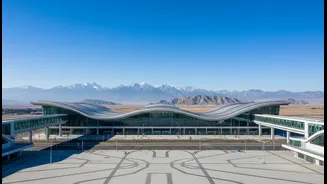
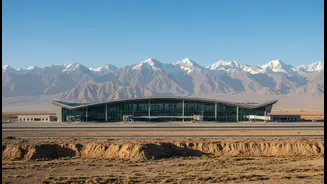
The new integrated terminal building at Leh's Kushok Bakula Rimpochee Airport is a significant infrastructure upgrade for the strategically important Himalayan region. As of early July 2026, the physical construction was reported to be 83% complete. This
project, part of a nationwide push to modernise aviation infrastructure, is designed to handle the increasing flow of tourists and business travellers. The existing terminal has been stretched to its limits, especially during peak tourist seasons, creating bottlenecks and discomfort for passengers arriving at the high-altitude destination. The new terminal is a response to this growing demand, aiming to provide a seamless experience for travellers from the moment they land.
Tripling Capacity for Smoother Journeys
One of the most significant improvements is the massive increase in operational capacity. Once fully operational, the new terminal will be able to handle up to 54 flights a day, a threefold increase from the current capacity of about 18 flights. This expansion is designed to accommodate a projected 3.5 million passengers annually. To manage this influx, the terminal will feature up to 20 check-in counters and a modern inline baggage handling system, drastically reducing queues and wait times. With a peak-hour capacity to handle 2,000 passengers—1,000 arrivals and 1,000 departures—the new facility will eliminate the congestion that has been a persistent issue, making the travel process significantly faster and more efficient.
Enhancing Safety and All-Weather Operations
Safety is a paramount concern at one of the world's highest commercial airports. The new infrastructure includes the addition of four new aircraft bays and three aerobridges, which will be constructed after the old terminal is demolished in the project's second phase. These additions allow for more organised and safer aircraft movement on the ground. Aerobridges will protect passengers from the harsh weather conditions common at an altitude of over 10,000 feet, providing a controlled environment from the aircraft to the terminal. This is a crucial upgrade for an airport where operations are often constrained by weather, especially during the harsh winter months. The expansion is a key step toward improving connectivity in difficult terrains.
A Model of Sustainable, Culturally-Inspired Design
Beyond its functional upgrades, the new terminal is a landmark in sustainable design. It is set to be India's first airport to be powered by a combination of geothermal and solar energy. A large-scale geothermal heating and cooling system will regulate the building's temperature, a pioneering move in a region with extreme cold. This system, combined with a 700 kWp rooftop solar plant, will significantly reduce the airport's carbon footprint. The architecture itself is inspired by Ladakh's rich cultural heritage, incorporating traditional motifs, prayer wheels, and stupa-like design elements to offer visitors an authentic glimpse of the region from the moment they arrive.
Boosting Ladakh’s Economy and Tourism
The ripple effects of this project extend far beyond the airport's boundaries. By improving connectivity and making travel more reliable, the new terminal is expected to provide a major boost to Ladakh's tourism sector, which is the backbone of the local economy. Enhanced infrastructure will support local businesses, including hotels and tour operators, who have previously faced challenges due to travel bottlenecks. The ability to handle more tourists efficiently, especially with major cultural events on the horizon, will help generate significant economic opportunities for local communities and solidify Ladakh's position as a premier global travel destination.