
The Anatomy of 70s Volume
When we picture 70s hair, we often think of Farrah Fawcett's iconic feathered flip, but the foundational element of that look, and many others, was the height at the top. Volume at the crown involved lifting the roots to create a soft, full silhouette
that framed the face before cascading into layers, curls, or waves. This wasn't the stiff, backcombed beehive of the previous decade. Instead, it was about creating an airy, touchable bounce that looked glamorous yet somehow effortless. This lift gave shape to styles like the shag, feathered cuts, and even high ponytails with a soft 'poof' at the crown.
A Break from Sixties Structure
The hairstyles of the 1960s were often architectural marvels, held in place with gallons of hairspray. The 70s represented a cultural exhale. The shift toward crown volume was a move away from restrictive, helmet-like hair and toward freedom and naturalism. Hair was meant to move, reflecting the free-spirited ethos of the era. Styles like the shag, popularized by Jane Fonda, featured choppy layers that were shorter near the crown to create natural lift and an intentionally undone look. This was a direct rebellion against the perfectly coiffed styles that came before, celebrating individuality and a more relaxed approach to beauty.
The Farrah Fawcett Phenomenon
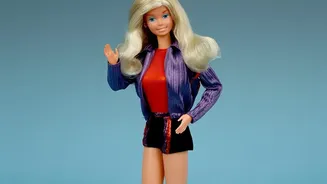
No discussion of 70s hair is complete without mentioning Farrah Fawcett. When she debuted her layered, flicked-back hairstyle on 'Charlie's Angels', it became an international sensation. The 'Farrah-flip' was defined by its incredible volume, which started at the crown and flowed into soft, face-framing wings. To get the look, women used large hot rollers or round brushes to curl the hair away from the face, creating maximum lift and bounce. It perfectly captured the aspirational, sun-kissed glamour of the California lifestyle and became one of the most requested haircuts of the decade.
Disco, Glamour, and Going Big
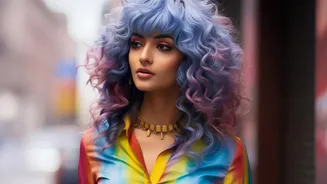
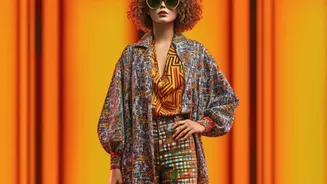
As the decade progressed, the dance floors of clubs like Studio 54 demanded even bolder statements. Disco culture celebrated excess and drama, and hair was no exception. Voluminous hair was essential for making an entrance. Icons like Diana Ross and Donna Summer sported big, beautiful curls and Afros that shimmered under the disco ball. The key was a halo of soft, bouncy curls or a perfectly shaped Afro, both of which emphasized fullness around the entire head, including the crown. This glamorous, high-volume hair took up space, projecting confidence and matching the high energy of the disco scene.
Embracing Natural Texture
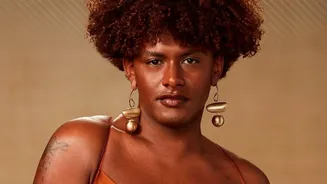
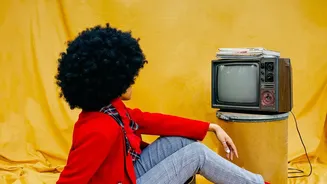
While feathered layers and disco curls represented one side of the 70s, the other was a powerful movement toward embracing natural hair. The Afro became a profound symbol of Black pride and identity, moving into the mainstream as a statement of beauty and self-acceptance. Activists like Angela Davis and cultural icons like Pam Grier championed the style, which celebrated the natural volume and texture of coily hair. The shape and height of the Afro made it one of the most significant and voluminous hairstyles of the era, redefining beauty standards on its own terms.