







The Monsoon's Patchy Progress
The Southwest Monsoon is the lifeblood of India's agriculture, but its arrival and spread are not always uniform. This year, after an initial onset, the monsoon's advance has become sluggish in several key agricultural belts across central and northern
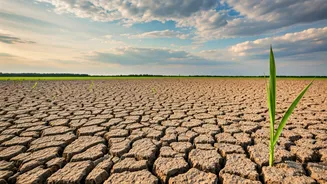
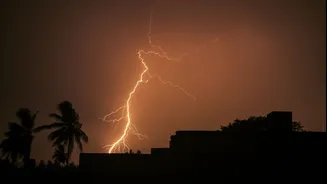
India. The India Meteorological Department (IMD) has noted a 'break' phase, where rainfall activity significantly reduces for days or even weeks. This stop-and-start pattern means that while some regions have received initial showers, the consistent, soil-soaking rain needed for crop germination has yet to materialise. This erratic behaviour leaves farmers in a precarious position, looking at cloudy skies that promise much but deliver little.
Why Sowing Now Is a High-Stakes Gamble
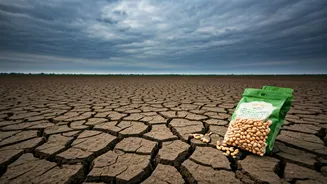
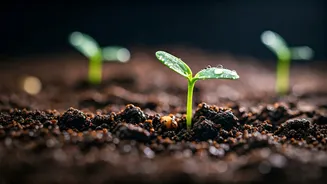
Agricultural universities and Krishi Vigyan Kendras (KVKs) are strongly advising farmers to pause sowing operations for Kharif crops like soybean, cotton, paddy, and pulses. The reason is simple but critical: soil moisture. Early, sporadic showers can trick farmers into thinking the soil is ready. However, if these rains are not followed by consistent downpours, the seeds sown in the soil will fail to germinate. This phenomenon, known as 'false germination,' can be economically devastating. Farmers not only lose their investment in expensive seeds but also face the added cost of having to buy new seeds and re-sow their fields once the monsoon properly establishes itself. It is a double blow to their already thin margins.
The Critical Rainfall Threshold
So, when is it safe to sow? Experts have a clear recommendation: wait for a cumulative rainfall of 60-75 mm. This amount ensures that the soil has absorbed enough moisture to a depth of at least 15-20 cm, creating a stable environment that can sustain the seedlings through any short dry spells that might follow. Sowing before this threshold is met is essentially a bet against the weather. The advisory is not to abandon sowing, but to delay it. Farmers are encouraged to use this waiting period productively by preparing their fields, arranging for quality seeds and fertilisers, and keeping their equipment ready. This way, they can begin sowing immediately once the conditions become favourable, without losing precious time.
Smart Strategies for a Delayed Season
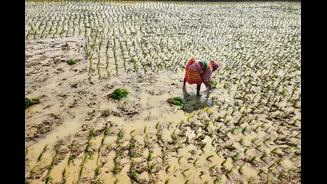
A delayed monsoon doesn't have to mean a failed season. Agricultural scientists are recommending several contingency plans. One key strategy is to opt for short-duration or medium-duration crop varieties. These varieties mature faster, which helps compensate for the time lost at the beginning of the season and reduces the risk of the crop being affected by a premature withdrawal of the monsoon later on. For example, in paddy cultivation, farmers might be advised to prepare nurseries but delay transplanting until sufficient water is available. For crops like soybean and cotton, choosing varieties that are more resilient to moisture stress is a wise move. These adaptive strategies are crucial for mitigating risks and protecting yields in an uncertain climate.
The Ripple Effect: From Farm to Your Kitchen
The anxieties of a farmer waiting for rain are not confined to the village. The performance of the Kharif season has a direct impact on the entire nation's food security and economy. A delayed or weak monsoon can lead to lower production of essential commodities, including rice, pulses, and vegetables. This reduction in supply, coupled with steady demand, inevitably pushes up food prices in urban centres. Therefore, a farmer's decision to pause sowing is not just a personal financial calculation; it is a development that sends ripples across the economy, affecting household budgets and the country's inflation rate. The wait for consistent rain is a wait that the whole country endures together, whether it realises it or not.