

What is a Humidity Tray?
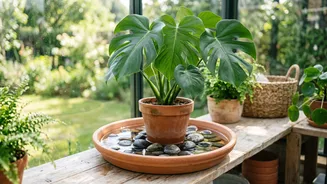
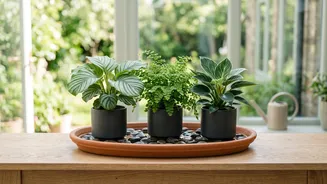
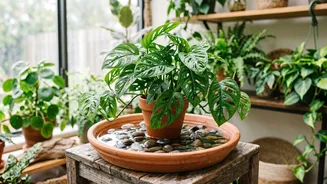
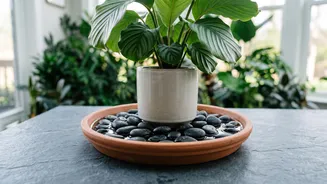
A humidity tray, also known as a pebble tray, is a simple, low-tech device used to create a pocket of moist air around your indoor plants. It consists of a shallow, waterproof tray filled with a layer of pebbles, gravel, or decorative stones, and a small
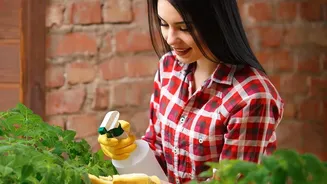
amount of water. The plant pot sits on top of the pebbles, elevated just above the water level. As the water evaporates, it increases the humidity in the immediate vicinity of the plant's leaves, mimicking the moisture-rich air of their native tropical or subtropical environments. This method is a gentle and constant alternative to frequent misting, which provides only a temporary boost of moisture.
The Science of Simple Evaporation
The principle behind a humidity tray is straightforward evaporation. Water from the tray’s surface slowly turns into vapor, rising and creating a localized microclimate of higher humidity right where the plant needs it most—around its foliage. The key to success is ensuring the plant's pot rests on the pebbles, not directly in the water. This prevents the soil from becoming waterlogged, which can lead to root rot, a common and often fatal issue for houseplants. The pebbles serve the crucial purpose of holding the pot above the water line while allowing the beneficial water vapor to ascend. While a single tray won't significantly change the humidity of an entire room, it provides a meaningful boost in the plant's immediate personal space.
How to Make Your Own Humidity Tray
Creating your own humidity tray is an easy and inexpensive DIY project. You only need three basic items: a shallow waterproof tray, a layer of pebbles, and water. For the tray, you can use a plant saucer (one or two sizes larger than the pot), a baking dish, a boot tray, or any other non-porous container. Rinse your pebbles or gravel to remove any dust or debris. Spread them in an even layer about an inch deep in the tray. Then, pour water into the tray until the level is just below the top of the pebbles. Finally, place your potted plant on top of the pebbles, making sure the bottom of the pot is not touching the water. That's it! Your humidity tray is ready to go.
Which Plants Benefit the Most?
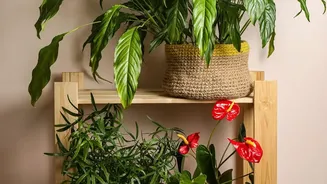
Not all houseplants need extra humidity, but for many, it's the secret to lush, healthy growth. Humidity trays are most beneficial for plants native to tropical and subtropical regions. Common houseplants that thrive with this extra moisture include ferns (especially Boston and maidenhair ferns), Calatheas (prayer plants), Alocasias, and many orchids. Other plants that appreciate the boost include Peace Lilies, Monsteras, Philodendrons, Begonias, and most palms. These plants will often show their displeasure with dry air through brown, crispy leaf tips, yellowing leaves, or stunted growth. On the other hand, plants adapted to arid environments, like most cacti and succulents, do not require and will not benefit from a humidity tray.
Maintenance and Best Practices
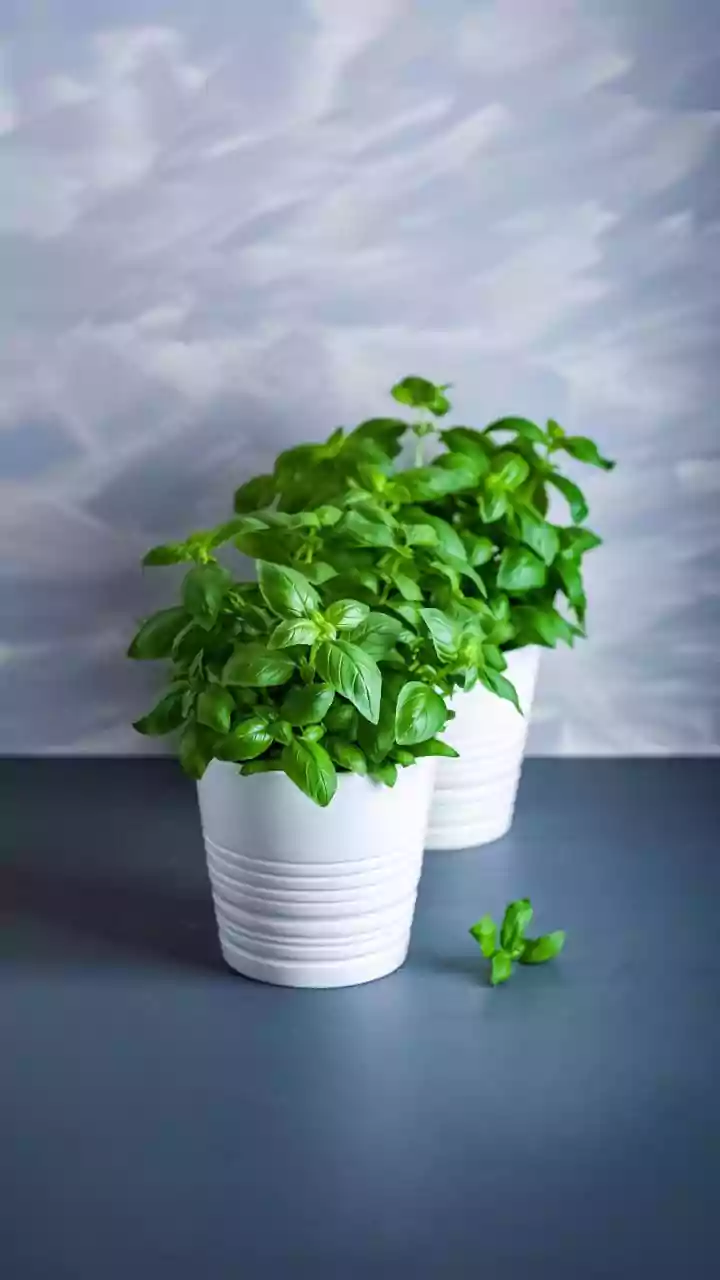
A humidity tray is low-maintenance, but not zero-maintenance. You’ll need to top up the water every few days as it evaporates. To prevent problems, it's important to keep the tray clean. Stagnant water can become a breeding ground for algae, mold, and even pests like fungus gnats. To avoid this, completely change the water and rinse the tray and pebbles every one to two weeks. If you notice a slimy film on the water or algae growth on the stones, it's time for a thorough cleaning. For an even greater effect, you can group several humidity-loving plants together on a single large tray or on adjacent trays. This creates a larger, shared pocket of humidity that benefits all the plants.