





The Monsoon Mood for Food
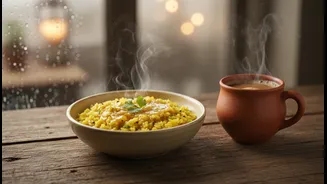
In India, the monsoon is more than just a season; it's a deeply felt cultural experience. The sound of rain is a universal cue for a cup of hot chai and a plate of something fried and delicious. This craving is a shared ritual, a nostalgic comfort that
connects generations. Families gather, conversations flow, and the kitchen becomes the centre of the home. While street vendors serve up classics like bhajiyas and roasted corn, recreating that magic at home allows for a personal, cafe-style touch. It's about honouring the tradition of monsoon snacking while adding a little modern flair to the experience.
Elevating the Evergreen Pakora
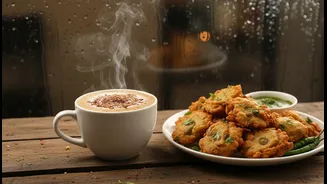
The pakora is the undisputed king of monsoon snacks. These crispy fritters, typically made with gram flour and vegetables like onion or potato, are the perfect companion to a rainy evening. But a cafe-style pakora goes beyond the basics. The secret lies in the details. First, focus on a light, crisp batter by adding a spoonful of rice flour to your besan. For the filling, move beyond the usual suspects. Think of thinly sliced zucchini, spinach leaves, or even paneer cubes for a gourmet touch. The real upgrade, however, is the dip. While classic mint chutney is always a winner, try a creamy garlic-yoghurt sauce. Simply mix thick yoghurt with minced garlic, chopped green chilli, and a pinch of salt for a cool, tangy contrast to the hot, crispy pakoras.
The Perfect Cup: From Masala Chai to Chai Latte
Chai is the soul of the Indian monsoon. The traditional way involves simmering tea leaves with milk, water, and a blend of warming spices like ginger, cardamom, and cloves. This is comfort in a cup. To give it a cafe-style makeover and turn it into a chai latte, the technique is key. First, create a strong, spiced tea concentrate by boiling the spices and tea in a small amount of water. Strain this potent brew into your mug. Next, heat your milk separately and use a frother or a French press to create a velvety, airy foam. Pour the frothy milk over your tea concentrate, and top with a sprinkle of cinnamon. You get the authentic masala flavour with the luxurious texture of a coffee-shop latte.
The Cool Contender: Why Cold Coffee Thrives in the Rain
It might seem counterintuitive, but a tall, creamy glass of cold coffee has a special place in the monsoon landscape. While chai offers warmth, cold coffee provides a different kind of indulgence—a sweet, refreshing treat that feels like a modern comfort. It’s the perfect pick-me-up for a humid afternoon when the rain has temporarily stopped. The classic Indian cold coffee is not just iced coffee; it's a thick, frothy, and decadent drink, closer to a milkshake and traditionally made in a blender. It has become a staple in Indian cafes and homes, offering a different but equally satisfying experience to its hot counterparts.
Mastering the Classic Indian Cold Coffee
Forget simply pouring coffee over ice. The quintessential Indian cafe-style cold coffee is a blended masterpiece. Here’s the simple, foolproof method. In a blender, combine two teaspoons of instant coffee, two tablespoons of sugar, and a splash of warm water. Pulse a few times to dissolve the coffee and sugar. Now, add one and a half cups of cold milk and, for ultimate creaminess, a scoop of vanilla ice cream. Blend on high for a minute or two until everything is perfectly combined and a thick layer of froth forms at the top. Pour into a tall glass and serve immediately. For a richer flavour, you can add a drizzle of chocolate sauce inside the glass before pouring.
A Modern Sip: The Dalgona Connection
The viral Dalgona coffee trend felt new to the world, but for many in India, it was a nostalgic nod to 'phentihui' or beaten coffee. This technique of whipping instant coffee, sugar, and hot water into a frothy cream has been a domestic trick for decades. To give this modern trend an Indian context, infuse it with local flavours. While whipping the coffee mixture, add a pinch of cardamom powder or a tiny drop of rose essence. Spoon this fragrant, whipped coffee over a glass of cold milk for a drink that is both trendy and deeply traditional. It’s the perfect example of how global ideas can be beautifully adapted into our own culinary language.