




The Tale of Two Monsoons
Planning a trip to South India requires thinking east versus west. The region is split by the Western Ghats mountain range and experiences two separate rainy seasons. The Southwest Monsoon brings heavy rain to the west coast (Kerala, Goa, coastal Karnataka)
from roughly June to September. As that season ends, the Northeast Monsoon arrives, soaking the east coast (Tamil Nadu, Andhra Pradesh) from October to December. This means that while one side of the peninsula is drenched, the other is often dry and sunny, making South India a year-round destination if you choose your location wisely.
The Southwest Monsoon (June to September)
This is the primary rainy season for Kerala and the west coast. It transforms the landscape into a lush, green paradise, making it a magical time for certain types of travel. Waterfalls like Athirappilly and Jog Falls are at their most powerful, and the hills of Munnar, Wayanad, and Coorg are enveloped in mist. This period is traditionally considered ideal for Ayurvedic treatments in Kerala, as the humid air is believed to help the body absorb medicinal oils. However, this is not the season for beach holidays. Seas are rough, swimming can be dangerous, and many beachside operations scale back. Expect lower prices and fewer crowds, but be prepared for daily downpours.
The Northeast Monsoon (October to December)
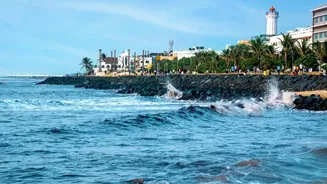
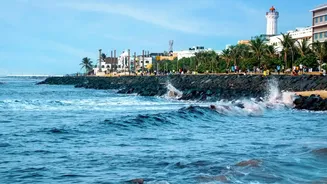
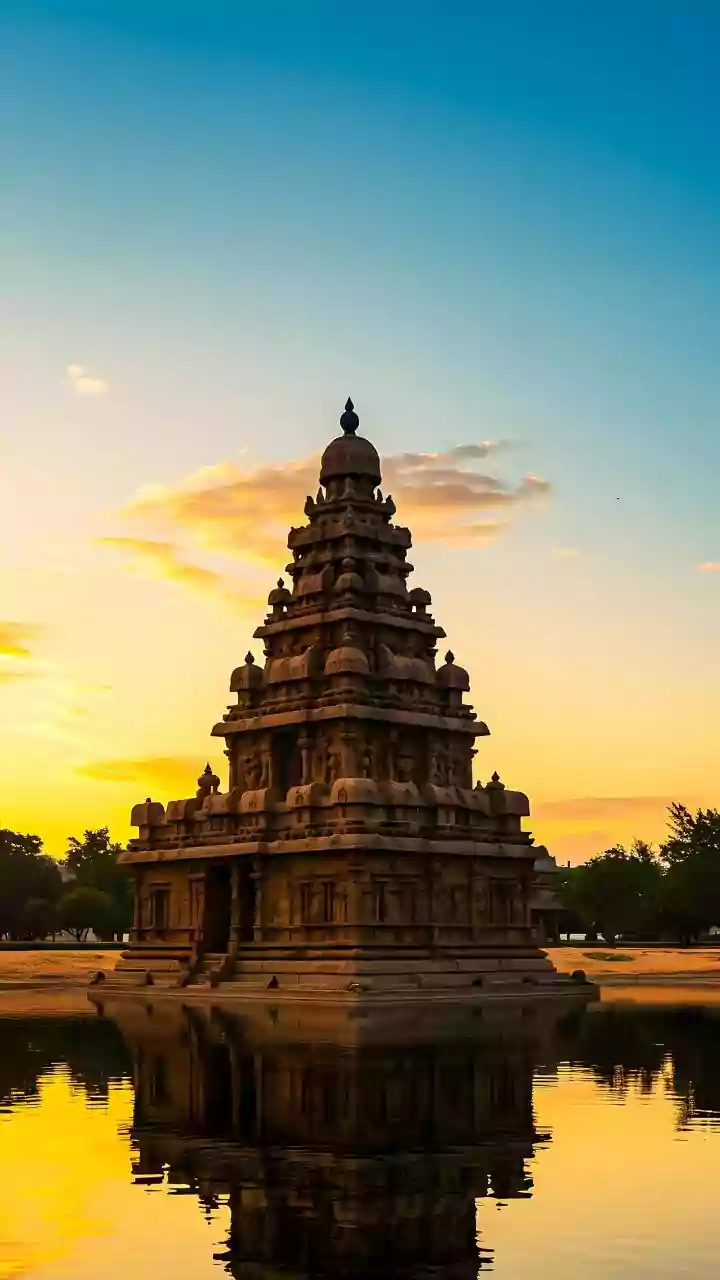
Just as Kerala and the west coast begin to dry out, the rain shifts to the opposite coast. Tamil Nadu and coastal Andhra Pradesh receive the bulk of their annual rainfall during these months. This season also coincides with the primary cyclone season for the Bay of Bengal, which can bring strong winds and severe weather, particularly in November. It is crucial to monitor weather alerts if travelling to this region, as cyclones can disrupt travel plans. While the rains replenish the land, it's a less predictable time for sightseeing in places like Chennai, Puducherry, and Mahabalipuram.
Peak Season: The All-Rounder Window (December to March)
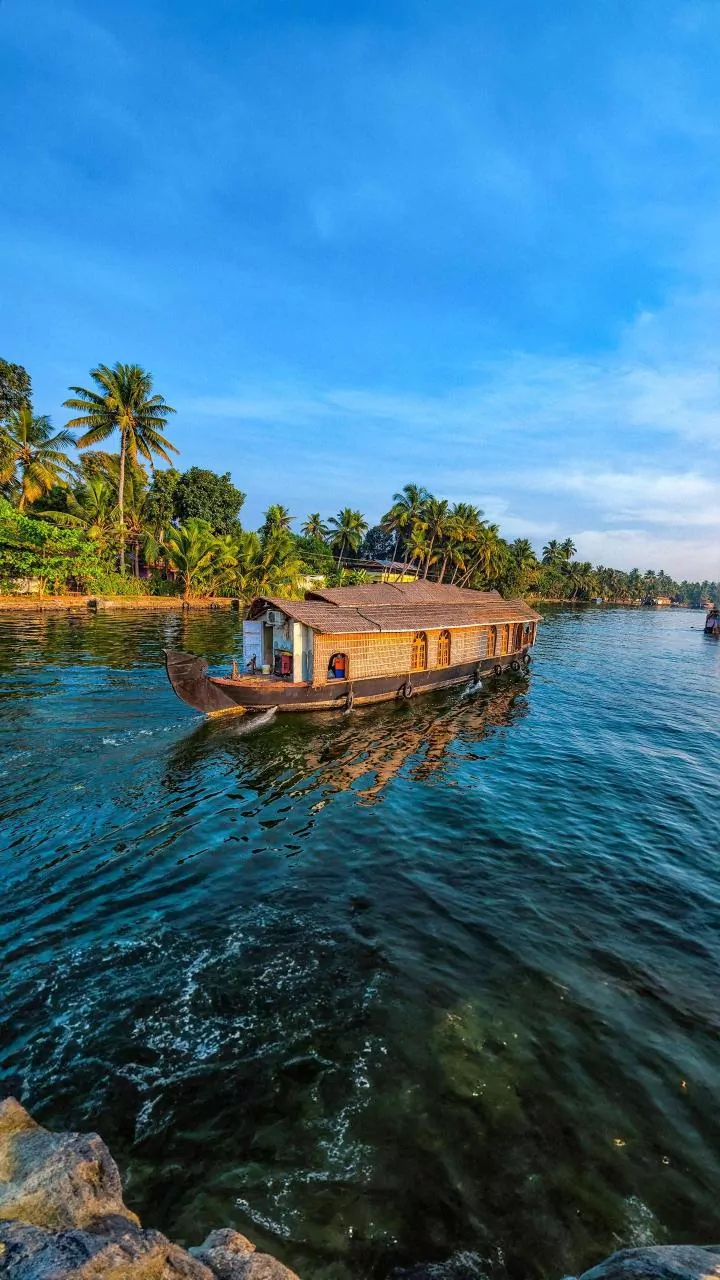
For most travellers, this is the ideal time to visit South India. The weather across the majority of the region is dry, sunny, and pleasant, with comfortable temperatures. It's the perfect window for a classic tour covering multiple states. Enjoy houseboat cruises on Kerala's backwaters, relax on the beaches of Goa and Varkala, and explore the temple towns and ancient ruins of Tamil Nadu and Karnataka without the interruption of rain or intense heat. This is also peak tourist season, so expect higher prices for flights and accommodation, and be sure to book well in advance, especially around Christmas and New Year.
The Hot Summer (April to May)
As winter fades, the heat and humidity build across the plains and coastal areas, reaching their peak just before the monsoon arrives. Temperatures can soar, making daytime sightseeing in places like Hampi or Madurai challenging. However, this is the perfect time to escape to the hill stations. The cooler climates of Ooty, Kodaikanal, and Munnar offer a welcome respite from the heat of the lowlands. This is also a fantastic time for wildlife spotting in parks like Bandipur or Periyar, as animals gather around shrinking water sources.
Planning for the Waves: A Surfer's Calendar
South India's surf scene also follows the monsoon calendar. The west coast, including spots in Kerala and Karnataka, offers the best conditions from October to April, during its dry season. This post-monsoon period brings clean swells and glassy morning waves, ideal for beginners and seasoned surfers alike. Conversely, the east coast, with popular breaks in Tamil Nadu, comes alive from May to September. Protected from the southwest monsoon, this coast receives swells that create playful point breaks perfect for riding through the summer months. So, by alternating between coasts, it's possible to find good waves in South India all year.