

What Are Salt-Based Batteries?
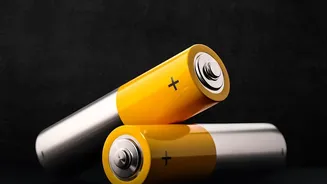
When we talk about 'salt-based' batteries, we are referring to sodium-ion technology. They work on the same principle as the lithium-ion batteries in your phone and current electric vehicles (EVs), but with a crucial difference. Instead of using lithium ions
to store and release energy, they use sodium ions. Sodium is the 'Na' in NaCl, the chemical name for common table salt, and it is the sixth most abundant element on Earth. This incredible availability is what makes this technology so promising, especially for a country like India. It represents a potential shift away from materials that are not only expensive but also concentrated in just a few countries.
The Big Deal: A Huge Cost Advantage
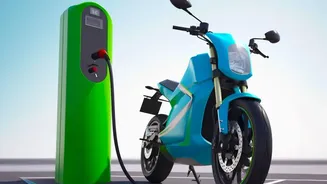
The single biggest barrier to affordable EVs is the battery pack, which can account for up to 40% of a vehicle's total cost. Lithium-ion batteries rely on expensive and scarce materials like lithium, cobalt, and nickel, the supply chains for which are often complex and geopolitically sensitive. Sodium-ion batteries eliminate the need for these costly metals. By using abundant, locally available sodium, estimates suggest these batteries could be 15-20% cheaper to produce than their lithium-ion counterparts. This cost reduction is not just a minor saving; it is significant enough to slash the showroom price of an entry-level EV, potentially bringing it within reach for a much larger segment of Indian buyers.
The Performance Trade-Off: Not for Every Car
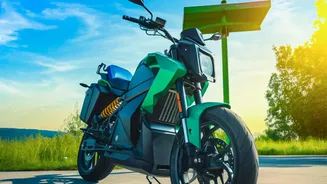
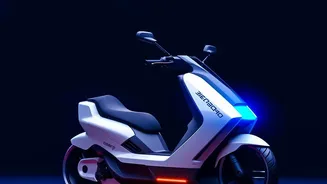
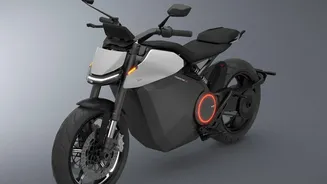
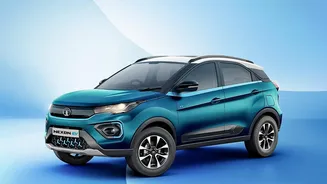
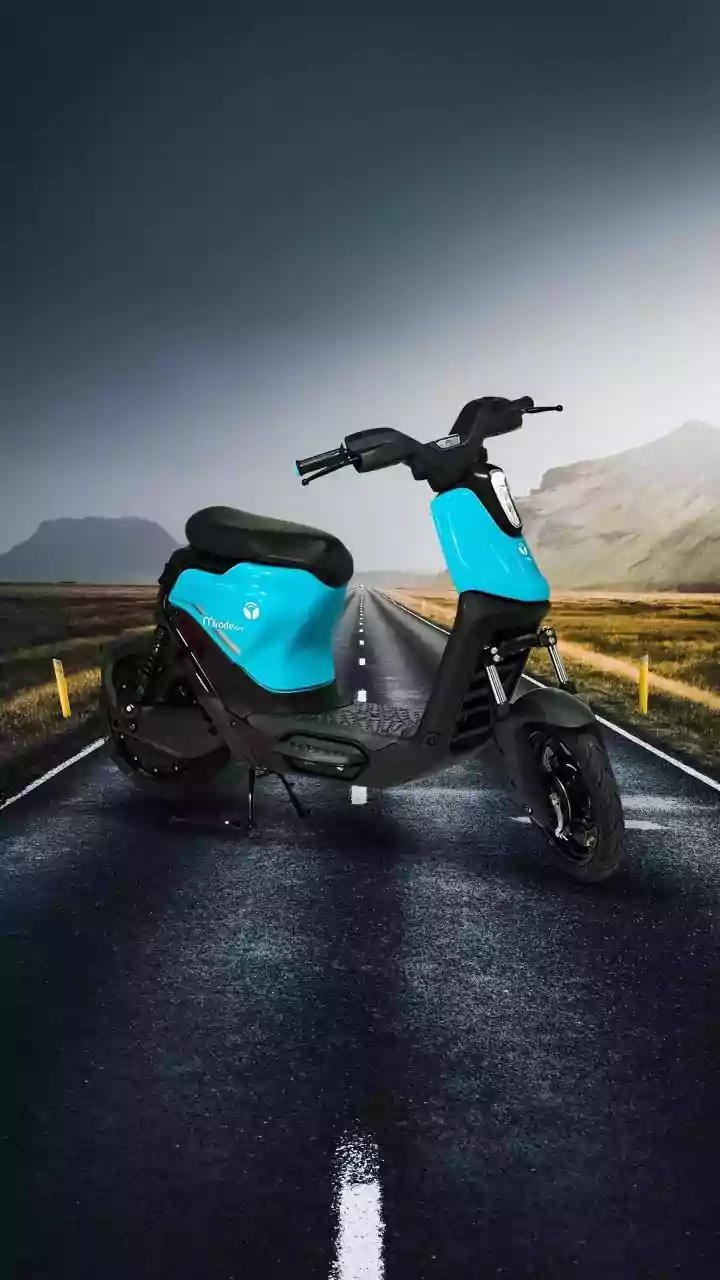
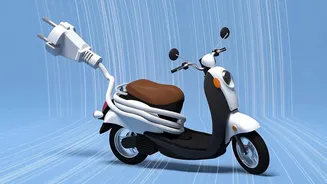
While sodium-ion batteries excel in cost and safety, they do have a key limitation: lower energy density. In simple terms, a sodium-ion battery of the same size and weight stores less energy than a lithium-ion one. This means a shorter driving range. Because of this, you are unlikely to see them in high-performance, long-range luxury EVs anytime soon. However, this trade-off makes them perfectly suited for the entry-level market. They are an ideal solution for city-centric compact cars, scooters, and the ubiquitous e-rickshaws, where daily travel distances are predictable and lower costs are paramount. Think of it as the right tool for a specific, and very large, job.
Made in India: The Key Players Emerging
The push for sodium-ion technology is not just happening abroad; it has a strong 'Make in India' momentum. Reliance New Energy has made a significant move by acquiring Faradion, a UK-based pioneer in the field, signaling serious commercial intent. Meanwhile, startups like IndiEnergy, born out of IIT Roorkee, are innovating by using agricultural waste to produce key battery components, proudly calling their product 'Desh Ki Battery' (the nation's battery). Established players like KPIT Technologies are already piloting these batteries for two and three-wheelers, and even the state-owned utility NTPC is testing them for grid storage. This growing ecosystem of researchers, startups, and industrial giants is crucial for building a self-reliant battery future for India.
The Road Ahead: When Can We Buy One?
While prototypes are showing impressive results, including extremely fast charging and excellent durability, the journey from the lab to the highway takes time. The technology is still maturing, and manufacturers need to scale up production to bring costs down. Industry experts project that sodium-ion batteries will begin to see large-scale deployment in India between 2026 and 2028, initially powering two-wheelers, three-wheelers, and stationary energy storage systems. As manufacturing scales up and the ecosystem develops, their entry into the passenger car segment will follow. The market for sodium-ion batteries in India is projected to grow from around $450 million in 2025 to nearly $2.9 billion by 2031, a clear indicator of the rapid change on the horizon.