








What Is El Niño and Why Does It Matter?
El Niño is a naturally occurring climate pattern characterized by the unusual warming of surface waters in the central and eastern equatorial Pacific Ocean. This isn't just a local event; it triggers a domino effect on weather patterns worldwide. For
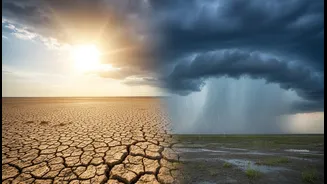
India, the connection is critical: El Niño is often associated with a weaker southwest monsoon, which brings the majority of the country's annual rainfall. A deficient monsoon means less water for agriculture, which is heavily rain-dependent. The World Meteorological Organization and other global agencies have high confidence that a strong El Niño event will develop through the second half of 2026, peaking in the winter.
The Direct Line to India's Farms
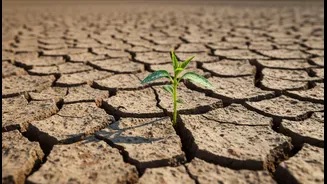
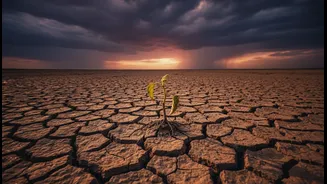
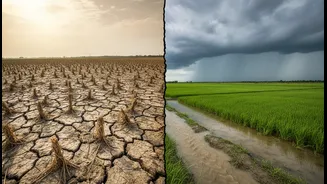
Agriculture is the backbone of the Indian economy, and the monsoon is its lifeblood. A weak monsoon caused by El Niño can lead to drought-like conditions, reduced sowing of key crops, and lower yields. The Kharif (monsoon) season is particularly vulnerable, affecting staples like rice, pulses, oilseeds, cotton, and sugarcane. Recent data from July 2026 already shows a significant rainfall deficit from June, which has delayed sowing for crucial crops like oilseeds and pulses. The impact may not stop with the Kharif season; poor monsoon performance also means lower water levels in reservoirs, affecting the subsequent Rabi (winter) crop season as well.
From Fields to Your Grocery Bill
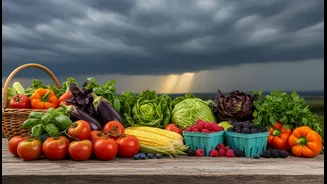
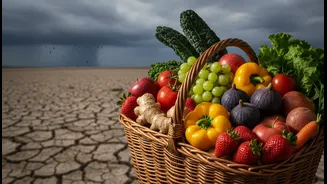
The chain of events leads directly to the prices you pay at the market. Lower agricultural output tightens supply, and when demand remains steady, prices rise. Food items that are highly sensitive to monsoon performance will likely see the sharpest increases. This includes vegetables, which have volatile prices, as well as staples like rice, sugar, and edible oils. For example, concerns about El Niño's impact on sugarcane harvests in states like Maharashtra and Karnataka have already caused worries about a spike in sugar prices. India is also a major importer of edible oils and pulses, so global supply disruptions caused by El Niño elsewhere can also translate into higher domestic prices. The last strong El Niño event led to retail food inflation averaging over 8.5% for an extended period.
Practical Steps to Weather-Proof Your Budget
While you can't control the climate, you can take steps to manage its financial impact. Start with meticulous meal planning to use what you buy and reduce waste. Before heading to the store, take an inventory of your pantry and fridge to avoid duplicate purchases. Consider buying staples like rice and lentils in bulk if you have storage, as the unit price is often lower. However, be cautious with perishable items. Exploring store brands for basic commodities can also offer significant savings without a noticeable drop in quality. Being flexible with your diet, perhaps by substituting more expensive vegetables with seasonal, cheaper alternatives, can also help. Finally, keeping an eye on weekly sales and promotions can make a tangible difference in your monthly grocery expenditure.
The Bigger Picture and Government Response
Households are not alone in facing this challenge. The government has several tools to mitigate the impact of food inflation, including releasing stocks from its reserves, managing import and export policies to ensure domestic availability, and offering support to farmers. During past periods of high food inflation, the government has used such measures to cushion the price shocks on essential commodities. For consumers, staying informed about these broader economic trends is as important as managing the household budget. Understanding the link between a weather forecast and your grocery bill is the first step toward making more resilient financial plans for the months ahead.