


What Exactly Are Sodium-Ion Batteries?
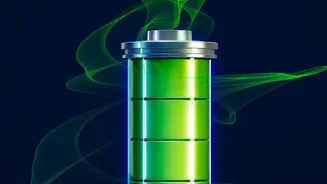
At its core, a sodium-ion battery works very much like the lithium-ion batteries currently powering most EVs. Ions move between a cathode and an anode to store and release energy. The revolutionary difference is replacing the expensive and scarce lithium with
abundant and cheap sodium. Sodium is one of the most common elements on Earth, found everywhere from seawater to salt flats. This incredible abundance is the primary reason scientists have been working for years to make it a viable alternative for batteries. By using materials that are far easier and cheaper to source, the reliance on a complex global supply chain for lithium, cobalt, and nickel is dramatically reduced.
The Key Advantage: A Massive Cost Reduction
The battery is the single most expensive component of an electric car, often accounting for 40% or more of the total vehicle cost. The high price is largely due to the raw materials inside lithium-ion batteries. Sodium-ion batteries flip this equation on its head. Sodium is a fraction of the cost of lithium. Furthermore, these new batteries can use inexpensive aluminum for some internal components where lithium-ion versions require more expensive copper, adding to the savings. Industry experts project that sodium-ion batteries can be 30-40% cheaper to produce than their lithium-ion counterparts. This cost reduction directly translates into a lower sticker price for the final electric vehicle, making them accessible to a much wider range of Indian buyers.
Performance: Good Enough for the City?
While cheaper, sodium-ion batteries do come with a trade-off: energy density. They currently store less energy for the same weight compared to high-end lithium-ion batteries. This means they are not yet ideal for premium, long-range luxury EVs. However, their performance is already comparable to the popular and cost-effective Lithium Iron Phosphate (LFP) batteries used in many entry-level and mid-range EVs today. Global manufacturers like CATL have developed sodium-ion cells with an energy density of up to 175 Wh/kg, which is suitable for city cars with a range of around 400-500 kilometers. They also have a key advantage in their excellent performance in extreme temperatures, retaining over 90% of their capacity in freezing cold, a known weakness for some lithium chemistries.
The 'Make in India' Opportunity
Beyond making cars cheaper for consumers, sodium-ion technology presents a massive strategic opportunity for India. The country is heavily dependent on imports for lithium-ion cells and battery components, many of which are controlled by a few nations. By championing sodium-ion batteries, India can leverage its existing industrial strengths in chemicals, pharmaceuticals, and manufacturing. Indian companies are already making significant strides. Reliance acquired UK-based sodium-ion pioneer Faradion and plans to set up a giga-factory in India. Other players like KPIT Technologies and Indi Energy are also developing indigenous sodium-ion battery technologies. This shift could bolster the 'Make in India' initiative, creating a self-reliant EV ecosystem, securing the energy supply chain, and turning India into a manufacturing hub for next-generation batteries.
When Will We See These Cars on the Road?
The transition is happening faster than many expected. Chinese automakers are already launching the first mass-production EVs equipped with sodium-ion batteries, with market availability slated for mid-2026. These initial models will likely be smaller, more affordable city cars and fleet vehicles, which is the perfect entry point for this technology. In India, with major players like Reliance investing heavily and local R&D showing promise, it is realistic to expect sodium-ion powered two-wheelers and entry-level cars to start appearing in the market within the next few years. This will not be an overnight replacement of lithium-ion, but the start of a 'dual-chemistry' market where different battery types are used for different vehicle segments.