
Your Eyes Are the Best Tools
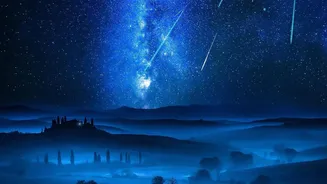
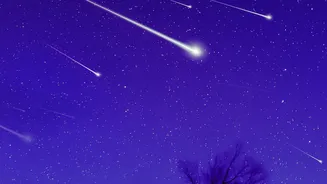
It might sound counterintuitive, but for watching meteor showers, putting away the telescope or binoculars is the best thing you can do. Meteors, or shooting stars, are fleeting streaks of light that can appear anywhere in the vast night sky. A telescope's
field of view is incredibly narrow, designed to focus on a single, stationary object like a planet or a distant galaxy. If you point it at one small patch of sky, you will almost certainly miss the dozens of meteors blazing trails elsewhere. The goal is to take in as much of the sky as possible, and for that, nothing beats the wide-angle lens you were born with: your own eyes.
A Gift from Halley's Comet
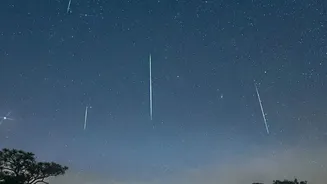
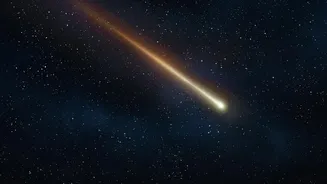
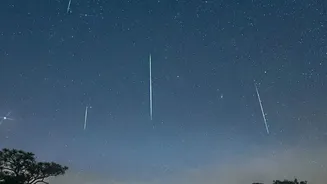
The Orionid meteor shower, which graces our skies every October, is made up of tiny cosmic particles left behind by one of the most famous comets: 1P/Halley. As Halley's Comet orbits the Sun every 76 years, it leaves a trail of dust and ice in its wake. Each year, as Earth passes through this stream of debris, these particles enter our atmosphere at incredible speeds—about 66 kilometres per second. They burn up due to friction, creating the brilliant streaks of light we call the Orionids. These meteors are known for their speed and brightness, and can sometimes leave behind glowing 'trains' that linger for a few seconds.
When and Where to Watch in 2026
The Orionids are active from early October to early November, but the best time to watch is during the peak. For 2026, the peak is predicted for the night of October 21-22. While meteors can be seen all night, the most activity happens in the hours after midnight and before dawn. This year, there will be a bright waxing gibbous moon for part of the night, which can wash out fainter meteors. However, the Moon sets a few hours before dawn, creating a perfect dark-sky window for viewing. The meteors appear to radiate from the constellation Orion, but you don't need to stare only in that direction. In fact, looking about 45 to 90 degrees away from the radiant can reveal longer, more spectacular streaks.
Your Beginner's Stargazing Plan
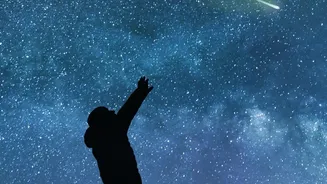
Enjoying the show is simple if you plan ahead. First, find a location away from city and street lights. Light pollution is the biggest obstacle to seeing meteors, so a darker spot is always better. Second, give your eyes time to adapt to the darkness—it can take up to 30 minutes for them to become fully sensitive to faint light. Avoid looking at your bright phone screen during this time. Third, get comfortable. This is not an event you can watch by popping your head out the window for five minutes. Bring a blanket, a reclining lawn chair, or a sleeping bag and lie on your back to get the widest possible view of the sky. Patience is key; meteors often come in spurts.
Tips for a Perfect Night
Before you head out, check the weather forecast. Clouds are an obvious showstopper, so a clear night is essential. Dress in warm layers, as even on a mild evening, sitting still for a long time can get chilly. Bringing along a thermos of a warm drink and some snacks can make the experience much more pleasant. While you don’t need any special gear, a stargazing app on your phone (with the screen brightness turned way down or set to 'night mode') can help you identify constellations like Orion. Most importantly, manage your expectations. You can expect to see about 10-20 meteors per hour under dark skies, not a constant fireworks display. The real joy is in the quiet anticipation and the sudden, breathtaking reward of a fiery streak across the heavens.