





More Than Just a Workout
For many busy Indians, the day is a whirlwind of professional deadlines and family responsibilities. Finding dedicated time for fitness can feel like a luxury. The evening walk, however, cleverly multitasks. It serves as a low-impact exercise to aid digestion
and de-stress after a long day, but its true power lies in its social dimension. It’s a chance to disconnect from screens and reconnect with people. This habit isn't about high-intensity training; it's about sustainable, gentle movement paired with the basic human need for community. Instead of choosing between seeing friends or exercising, Indians have simply combined the two into an efficient and enjoyable daily routine.
The 'Walk and Talk' Therapy Session
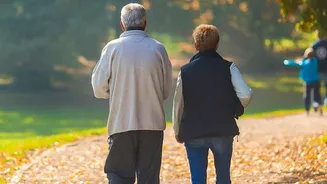
The psychological benefits of this ritual are just as important as the physical ones. The 'walk and talk' has become an informal therapy session for many. Strolling alongside a friend, neighbour, or family member creates a comfortable space for conversation to flow freely. People discuss everything from office politics and household matters to personal anxieties and future plans. This daily debrief acts as a powerful stress-management tool. In a culture that values community and shared experiences, walking together provides an essential outlet for emotional expression and mutual support, helping to combat the isolation that can come with a fast-paced urban lifestyle.
A Mobile 'Third Place'
Sociologists talk about the importance of 'third places'—environments outside of home and work where people can relax and build community. In many crowded Indian cities, where public spaces may be limited, the walking route itself has become a third place in motion. Neighbourhood parks, seaside promenades, and even the internal roads of housing societies transform into vibrant social hubs every evening. These spaces foster a sense of belonging and familiarity. You see the same faces, exchange greetings, and slowly, strangers become acquaintances, and acquaintances become friends. This moving community provides a sense of safety and camaraderie, particularly for women and older adults who might otherwise feel hesitant to be out after dark.
The Community of Accountability
Sticking to a fitness routine alone can be challenging, especially when motivation dips after a tiring day. This is where the social aspect of evening walks plays a crucial role. When you know a friend or a group is waiting for you, you’re far more likely to put on your shoes and head out the door. This shared commitment creates a powerful sense of accountability. The group dynamic provides encouragement and makes the activity more engaging. What often starts as a simple pact to stay active quickly evolves into a genuine social bond, making the evening walk a cherished part of the day that people look forward to for the conversation as much as for the exercise itself.