




The Great Monsoon Retreat
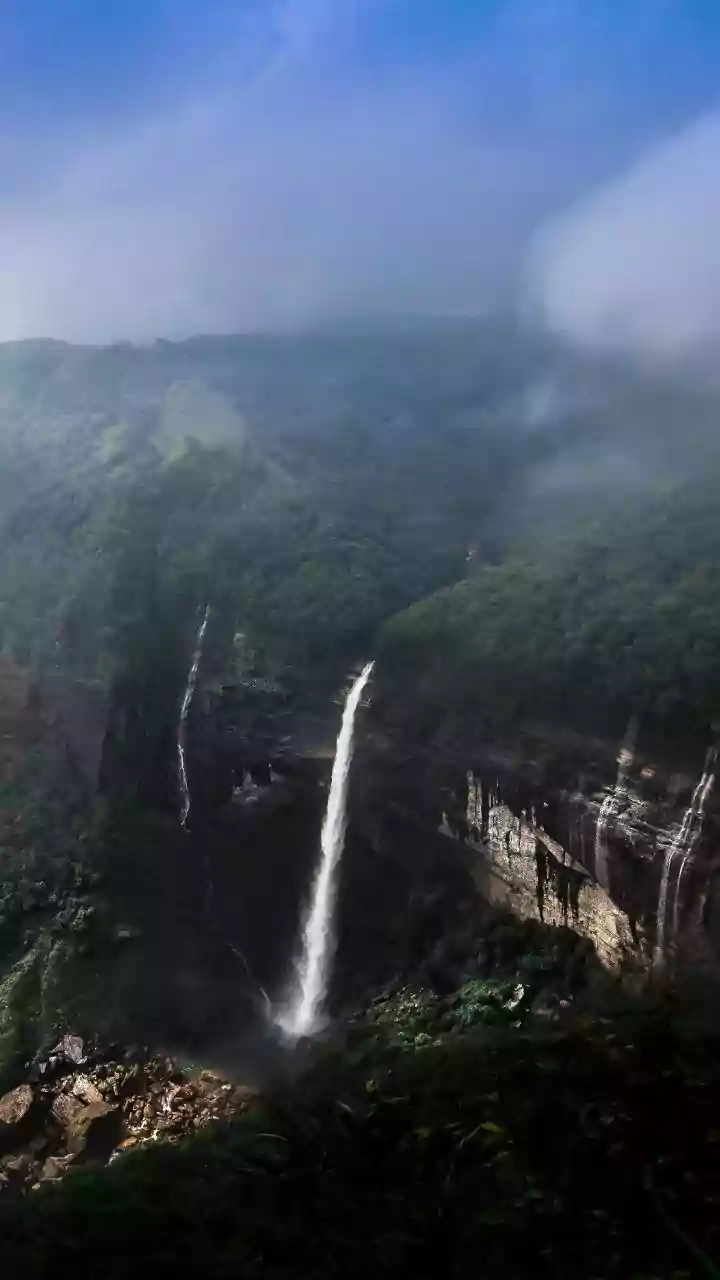
October is defined by the withdrawal of the mighty southwest monsoon. This is not an overnight event but a gradual process that starts in northwest India around mid-September and moves southeast over several weeks. By early October, most of North and Central
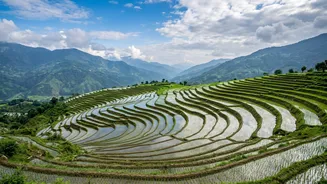
India are free from the monsoon's grip, experiencing a significant drop in humidity and rainfall. The official withdrawal from the entire country is typically complete by mid-October. This retreat transforms the landscape, leaving behind lush greenery from the rains and ushering in a period of pleasant, sunny weather that is ideal for travel and outdoor activities.
North India: Clear Skies and a Hint of Winter
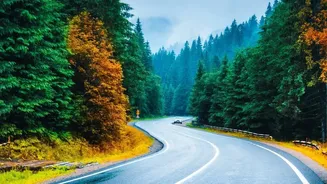
For North India, including Delhi, Rajasthan, and the Himalayan states, October brings some of the best weather of the year. Daytime temperatures are comfortably warm, often hovering around 30-34°C in the plains, while evenings and mornings become pleasantly cool. With the monsoon gone, the skies are generally clear and blue, making it perfect for sightseeing in cities like Delhi, Jaipur, and Agra. In the Himalayan regions of Himachal Pradesh and Uttarakhand, the post-monsoon clarity offers stunning mountain views, and the weather is ideal for trekking before the winter cold sets in. Many national parks, like Ranthambore, also reopen this month.
South India: Arrival of the Second Monsoon
The weather story in the south is quite different. As the southwest monsoon leaves, the southern peninsula, particularly states like Tamil Nadu, Kerala, and parts of Andhra Pradesh, prepares for the northeast monsoon. This second rainy season typically sets in during the third week of October, bringing fresh spells of rain that can last through December. While cities like Mumbai and Goa on the west coast become drier and sunny, the southeast coast experiences increased rainfall. The IMD has forecast a normal northeast monsoon for the southern peninsula, which is crucial for the region's water reservoirs and agriculture.
East and West: A Tale of Two Coasts
Western India, including Gujarat and Maharashtra, sees a rapid shift to dry and sunny weather, much like the north. Mumbai, free from the heavy monsoon rains, enjoys more comfortable and less humid conditions. Eastern India, however, remains in a transitional phase. While rainfall decreases in states like West Bengal and Odisha, the lingering moisture and warm sea surface temperatures in the Bay of Bengal make October a prime month for the formation of cyclonic storms. These systems can bring heavy rain and strong winds to the eastern coastline, so it is always wise to monitor weather advisories if travelling in this region.
What to Pack and Expect
Packing for India in October requires versatility. For North and Central India, lightweight cotton clothes, sunglasses, and a hat are perfect for the day. However, it's wise to pack a light jacket, sweater, or shawl for the cooler evenings, especially in Rajasthan's desert regions or the northern hills. For Southern and Eastern India, breathable fabrics like cotton and linen remain essential. An umbrella or a light raincoat is a must-have, especially towards the end of the month when the northeast monsoon becomes active. Regardless of the region, comfortable walking shoes are a good idea, as the pleasant weather encourages exploration.