




Decoding Your Bitter Truth
The mystery of why we experience bitterness so differently isn't just about personal preference; it's deeply rooted in our genes. Recent large-scale genetic analyses, including massive projects like the UK Biobank which involves hundreds of thousands
of people, have shed light on this phenomenon. Researchers have zeroed in on a specific taste receptor gene called TAS2R38. Think of this gene as a genetic switch for bitterness. You inherit two copies of it, one from each parent, and the specific versions you get determine whether you are a “taster,” a “non-taster,” or even a “supertaster.” People with two copies of the “taster” version (known as PAV) find compounds in certain foods exceptionally bitter. Those with two “non-taster” copies (AVI) barely notice the bitterness, while those with one of each fall somewhere in the middle.
An Ancient Survival Skill
This genetic trait is no random quirk; it’s a relic of our evolutionary past. For our ancestors, the ability to taste bitterness was a critical survival tool. In nature, many poisonous compounds found in plants are intensely bitter. Individuals who could detect these bitter toxins were more likely to avoid eating them, survive, and pass on their genes. This built-in-aversion system helped protect early humans from accidental poisoning. In the modern world, where our food supply is overwhelmingly safe, this ancient warning system can sometimes work against us. It doesn't distinguish between a harmful plant in the wild and the beneficial, nutrient-packed bitterness found in many healthy vegetables.
The Bitter-Vegetable Divide
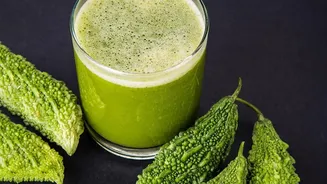
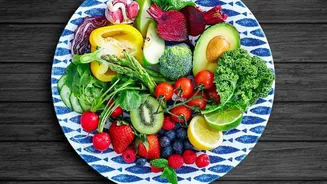
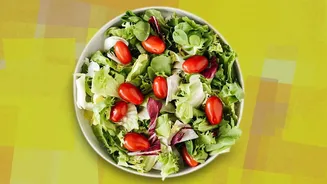
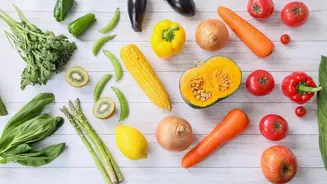
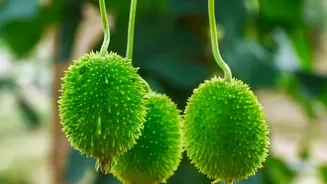
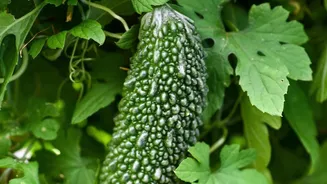
The most direct impact of your bitter-tasting gene is on your vegetable intake. Foods from the brassica family—like broccoli, cabbage, and Brussels sprouts—contain compounds that activate the TAS2R38 receptor. For supertasters, these vegetables can have an overwhelmingly harsh and unpleasant taste. Studies have shown that people who are highly sensitive to bitterness tend to eat significantly fewer vegetables, especially leafy greens and cruciferous ones. This is also true for many traditional Indian vegetables known for their health benefits, such as bitter gourd (karela) and fenugreek leaves (methi), which contain bitter compounds that tasters are more sensitive to. This avoidance could mean missing out on crucial vitamins, minerals, and disease-fighting antioxidants.
Broader Eating Patterns
The influence of the bitter gene doesn't stop at vegetables. Research suggests it shapes our broader eating habits in surprising ways. For instance, some studies indicate that people who are highly sensitive to bitterness may also have a heightened preference for sweet or salty foods, possibly to mask or compensate for the bitter tastes they dislike. One large study found that people with the taster gene were less likely to add salt to their food, perhaps because they already perceive food as salty enough, yet they may end up consuming more salt overall in processed foods. This complex interplay shows that how we perceive one taste can create a domino effect across our entire palate, influencing our cravings and choices for everything from snacks to main courses.
It’s Not Just Genes
While your DNA sets your baseline sensitivity, it's not the whole story. The number of tastebuds on your tongue, which can vary by ethnicity, also plays a role. One study found that Chinese participants, on average, had more taste papillae than Danish participants and were more sensitive to bitter flavors. Furthermore, personality can be a factor. Some research has found that risk-takers and sensation-seekers who are also genetically sensitive to bitterness may paradoxically learn to enjoy it, seeking out the intense flavors of things like dark, hoppy beers. This shows that our food experiences are a mix of genetics, anatomy, and even psychology.