



Mighty Millets: The Ancient Grains Return
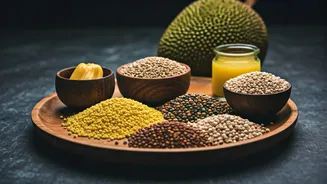
Remember when ragi, jowar, and bajra were staples on your grandmother's table? For decades, these humble millets were pushed aside by the dominance of wheat and rice. Seen as 'poor man's food' or even birdseed, they slowly vanished from urban pantries.
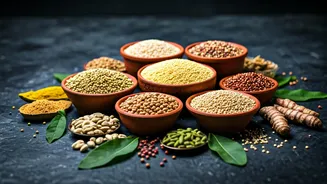
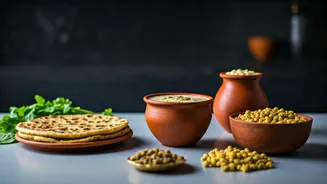
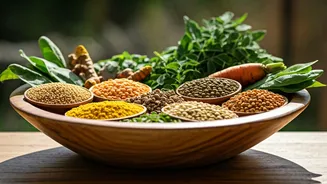
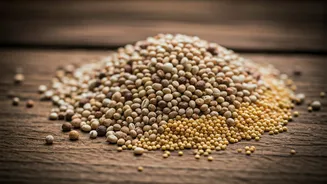
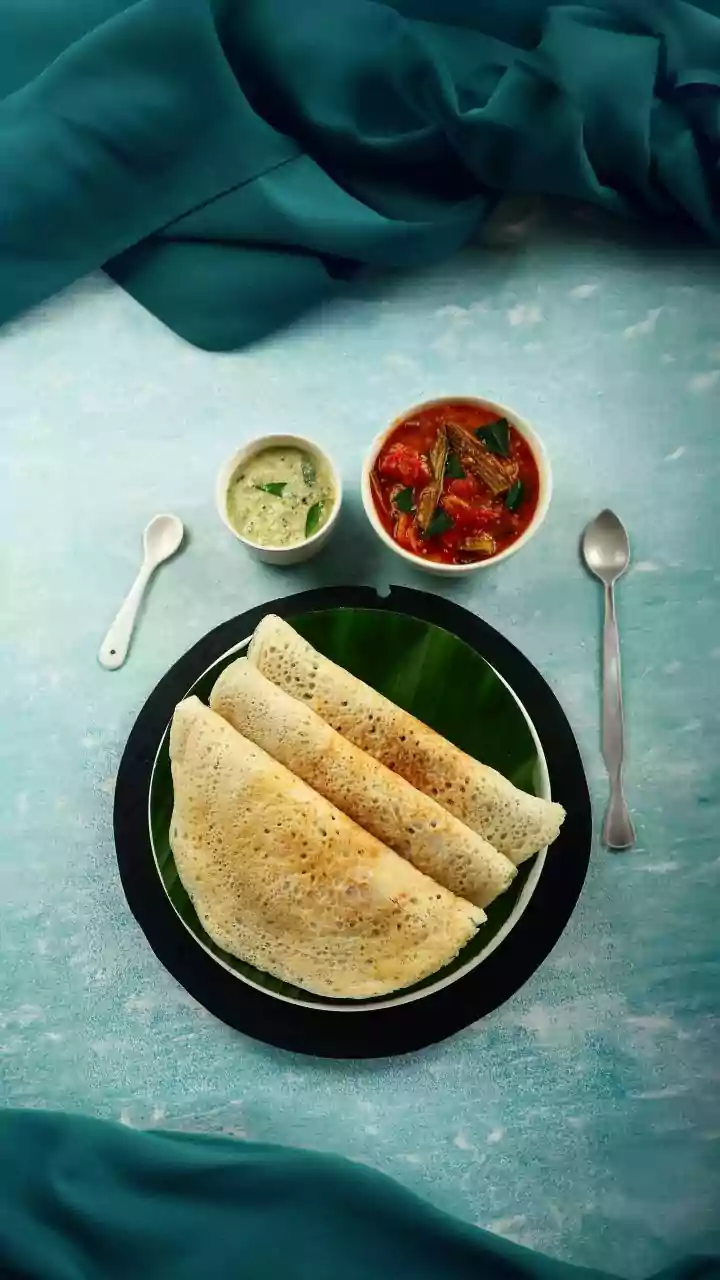
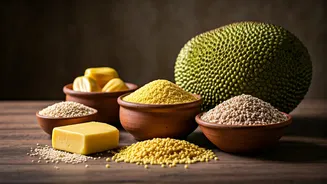
But now, they're back with a vengeance. Celebrated for being gluten-free, high in fibre, and packed with essential minerals like iron and magnesium, millets are a diabetic's best friend due to their low glycemic index. This resurgence is so significant that the UN declared 2023 the International Year of Millets, thanks to India's proposal. Today, you'll find millet flour for rotis, millet dosas on cafe menus, and even millet-based pasta and noodles, proving that what's old is new, and healthier than ever.
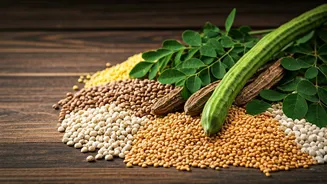
Moringa: The Neighbourhood 'Miracle Tree'
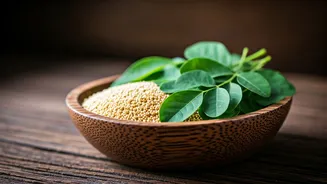
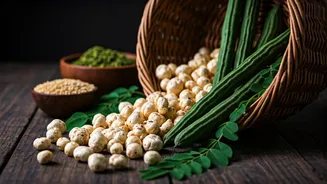
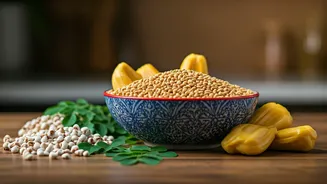
That familiar drumstick tree (shevga/murungai) growing in countless Indian backyards holds a secret weapon: its leaves. Moringa leaves, once used casually in sambar or simple stir-fries, are now globally recognised as a superfood. They were 'forgotten' not because they disappeared, but because their incredible nutritional density was overlooked. Ounce for ounce, moringa leaves contain more Vitamin C than oranges, more Vitamin A than carrots, and a surprising amount of plant-based protein. The wellness industry has caught on, and moringa is now sold as a vibrant green powder to be added to smoothies, teas, and energy bars. This rediscovery isn't about finding something new, but about finally appreciating the potent, everyday magic that was always right there.
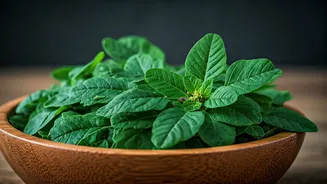
Amaranth: The Royal Grain
Known as 'rajgira' (the royal grain) or 'ramdana' (God's grain), amaranth has always held a special place in fasting rituals. But its use was largely confined to Navratri or other specific occasions. For everyday meals, it was almost entirely forgotten. That's a huge nutritional miss we're only now correcting. Amaranth is a 'pseudo-cereal' that packs a powerful punch. It's a rare plant source of complete protein, containing all nine essential amino acids, making it a fantastic alternative for vegetarians and vegans. It is also rich in calcium, iron, and fibre. Its rediscovery is being driven by the health-conscious urban consumer, who now finds rajgira flour for rotis and laddoos not just during fasts, but as a year-round gluten-free staple.
Jackfruit: From Humble Fruit to Vegan Star
For years, the enormous, spiky jackfruit (kathal) was a humble, seasonal vegetable, often used in pickles or curries. Its potential was largely untapped. The ripe fruit was sweet and sticky, while the raw version was just a simple sabzi. The big shift came with the global rise of veganism. Foodies discovered that raw jackfruit, when cooked, has a stringy, meat-like texture that makes it a perfect substitute for pulled pork or shredded chicken. This 'forgotten' potential has turned kathal into an international star. Rich in fibre and low in calories, it offers a satisfying, plant-based alternative for biryanis, burgers, and tacos. What was once an overlooked backyard fruit is now a trendy, versatile ingredient that champions both health and sustainability.
Hemp: The Misunderstood Powerhouse
For centuries, hemp seeds (a variety of Cannabis sativa with negligible THC) were used in traditional Indian cooking, especially in the Himalayan regions for chutneys and local dishes. However, due to its association with its more famous cousin, marijuana, hemp was stigmatised and its cultivation heavily restricted, causing its nutritional benefits to be largely forgotten. We're now rediscovering that hemp seeds are a nutritional goldmine. They are a fantastic source of plant-based protein, rich in healthy fats like omega-3 and omega-6, and contain vital minerals. With FSSAI regulations now permitting the sale of hemp seed products, we are seeing a boom in hemp hearts, protein powders, and oils, marking the return of one of India's most misunderstood and potent traditional foods.