






Dubai's Grand AI Blueprint
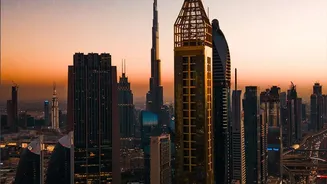
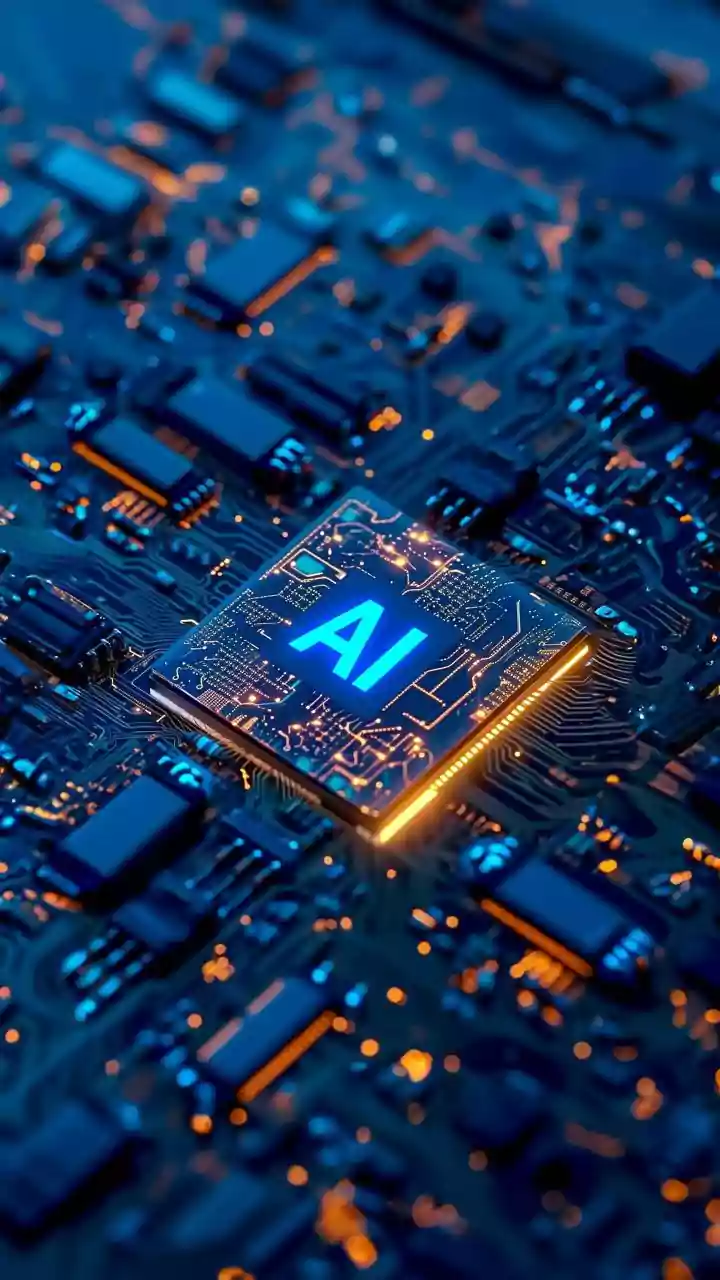
Dubai is aggressively pivoting its economy towards a post-oil future, with artificial intelligence at its core. The government has launched the Dubai Universal Blueprint for Artificial Intelligence, an ambitious strategy to integrate AI across all sectors
of the economy and government. The goal is to add billions to its economy annually, boost productivity, and establish the emirate as a global leader in AI governance and legislation. This vision isn't just a paper-based plan; it involves tangible initiatives like appointing Chief AI Officers in government bodies, launching AI incubators, and creating new company licenses to attract global firms. To make this happen, Dubai needs one critical resource it doesn't have in abundance: a massive pool of world-class, experienced AI and software engineers.
Bengaluru: The Unmatched Talent Engine
This is where Bengaluru enters the picture. India's Silicon Valley is home to a vast ecosystem of skilled engineers, developers, and data scientists. The city’s workforce is not only technically proficient but also largely English-speaking and adaptable to global work cultures. For decades, Bengaluru has been the engine room for major international tech companies, building a reputation for high-quality software development and R&D. This deep talent pool is exactly what Dubai needs to fuel its AI-powered ambitions, from developing complex algorithms to building and managing the data centres that underpin modern AI.
A Partnership of Perfect Complements
The relationship is increasingly formalised and symbiotic. In recent months, Dubai Chambers has signed Memorandums of Understanding (MoUs) with Indian tech bodies like NASSCOM to create a structured 'AI corridor' between Dubai and Bengaluru. The aim is to connect Indian companies specialising in deeptech and AI with investment and expansion opportunities in Dubai. For Indian tech professionals and companies, Dubai offers a compelling package: tax-free salaries, a high quality of life, world-class infrastructure, and a strategic location as a gateway to Middle Eastern and African markets. Indian companies now represent the largest foreign business community in the emirate, with tens of thousands registered and more joining every year. In return, Dubai gains access to the human capital essential for its transformation.
More Than Just a 'Brain Drain'
While the movement of skilled professionals often raises concerns about a 'brain drain' from India, the dynamic with Dubai appears more nuanced. Many experts see it as a 'brain circulation' or a strategic expansion of India's technological influence. Indian professionals gain global experience and exposure, while Indian tech firms establish a crucial foothold in a booming international market. The collaboration is not just about individual talent migration. High-level government agreements are in place to cooperate on AI research, infrastructure, and developing joint supercomputing projects in India. This suggests a deeper partnership aimed at building a two-way corridor for innovation, where Indian firms can use Dubai as a launchpad for global growth.
The Road Ahead
The synergy between Bengaluru and Dubai is a powerful example of how modern tech ecosystems are becoming globally interconnected. This collaboration allows Dubai to accelerate its ambition to become a top global AI hub, while providing Indian talent and companies with unprecedented international opportunities. However, the path is not without challenges. Dubai faces competition from other aspiring tech hubs, and the long-term career growth for tech roles can be more competitive than in the mature Bengaluru market. But for now, the alliance is a clear win-win. It represents a strategic convergence of capital and ambition from one side, and deep human expertise from the other, creating a formidable new force in the global technology landscape.