






Waterproof vs. Water-Resistant: The Core Distinction
Before buying any gear, it's crucial to understand the difference between 'water-resistant' and 'waterproof'. Water-resistant items can handle light drizzles for a short period, but will fail under sustained rain. Waterproof gear, on the other hand, features
a membrane that acts as a complete barrier to water, even during heavy downpours. For the Western Ghats monsoon, where you can expect hours of continuous rain, waterproof is non-negotiable. Water-resistant clothing will leave you soaked and cold within the first hour.
The Outer Shell: Your Rain Jacket and Trousers
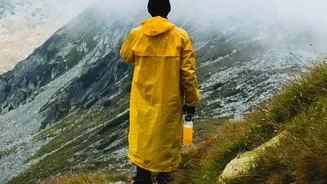
Your rain jacket is your primary defence. Look for one with a waterproof rating of at least 10,000mm, which is considered the baseline for being properly rainproof. Equally important in the humid climate of the Ghats is breathability. A jacket that doesn't breathe will trap sweat, making you wet from the inside. Look for features like sealed seams, an adjustable hood to keep water from dripping on your face, and pit zips for ventilation. Don't forget waterproof trousers; they are a game-changer, keeping your legs dry and preventing the extra weight that comes from water-logged trek pants. Synthetic quick-dry pants are a must, as cotton or denim becomes dangerously heavy and cold when wet.
Footwear: Grip and Water Management
Your choice of footwear is a matter of safety. Standard sports shoes are hazardous on monsoon trails as their soles offer little to no grip on slippery, algae-covered rocks and wet laterite soil. You need shoes with deep lugs—the aggressive tread pattern on the sole—that can bite into mud. Ankle support is also vital on uneven, wet ground to prevent twists. The debate between waterproof and non-waterproof shoes is nuanced. While waterproof shoes keep water out in light rain, on a true monsoon trek with stream crossings, water will eventually get in over the top. Once inside, it struggles to get out. For this reason, many experienced trekkers prefer quick-drying, non-waterproof trail runners with waterproof socks. This combination allows water to drain from the shoe while keeping your feet dry.
Protecting Your Pack and Essentials
Even if your backpack claims to be water-resistant, it will not survive a Western Ghats downpour. A dedicated, high-quality rain cover for your backpack is essential. Most modern trekking bags come with one, but ensure it fits snugly. For a second, foolproof layer of protection, use dry bags or sacks inside your main pack. Use these to compartmentalise and seal your most important items: a complete set of dry clothes for after the trek, your electronics, and any emergency supplies. Simple plastic bags can also work as a budget-friendly alternative to keep your layers of clothing separated and dry.
The Small Accessories That Matter
A few small items can significantly improve your comfort. A sun cap worn under your jacket's hood can be surprisingly effective. The brim directs rainwater away from your face, dramatically improving your visibility on the trail. Waterproof gloves can be useful, not just for warmth but to maintain a good grip on trekking poles or slippery rock sections. Finally, anti-leech socks are a wise investment for many forest trails in the Western Ghats, providing peace of mind and protection.