
The Prolific Petunia
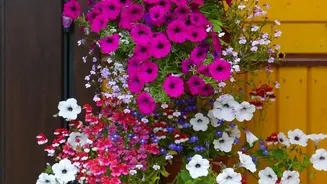
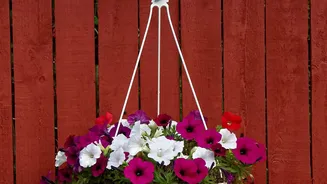
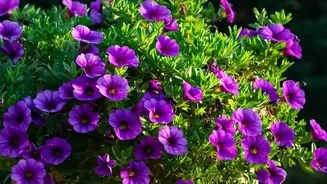
Petunias are winter favourites for a reason. Available in nearly every colour imaginable—from pink and purple to red and white—they are perfect for adding a cascade of blooms to hanging baskets, pots, and window boxes. They are considered one of the most
popular winter flowering plants in India, loved for their long blooming season which can last from December right through to March. For the best results, plant them in a spot that receives at least five to six hours of sunlight daily. Petunias prefer a light, well-draining soil mix; a combination of garden soil, cocopeat, and compost works well. Water them when the top inch of soil feels dry, but be careful not to make the soil soggy, as this can lead to root rot.
The Elegant Snapdragon
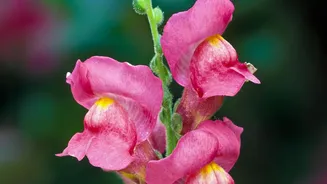
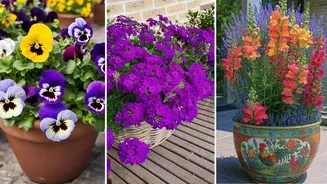
Snapdragons, or Antirrhinum, get their name from their unique, dragon-shaped flowers that 'snap' open when squeezed. These plants add wonderful vertical height to gardens with their tall, elegant spikes of flowers. They are a classic cool-season annual that thrives in India's winter climate, offering a long blooming period of three to five months. The ideal time to sow seeds is between October and February in most regions. Snapdragons do best in full to partial sunlight and require moderately moist soil. Taller varieties, which can grow up to three feet, may need support to prevent them from bending. They also make for excellent cut flowers, lasting for over a week in a vase.
The Sunny Marigold
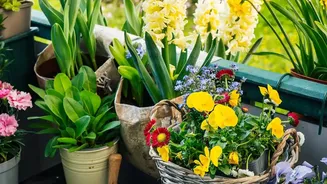
No Indian winter garden feels complete without the cheerful presence of marigolds (Genda). Their bright yellow and orange pom-pom-like flowers bring instant warmth and are incredibly easy to grow, making them a dependable choice for beginners. There are two popular types: the tall African Marigold with its large flowers, and the shorter, bushier French Marigold. Both varieties thrive in full sun and well-drained soil. Sowing can be done from September through November in the plains. Marigolds are low-maintenance; just water them moderately and pinch off spent flowers to encourage a continuous supply of new blooms. As an added bonus, they are known to naturally repel some common garden pests.
The Cheerful Pansy
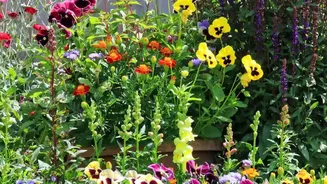
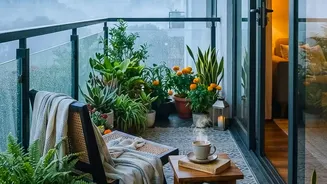
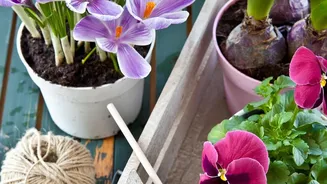
With their distinct and charming 'faces', pansies are a true delight in the cooler months. They come in a wide array of colours including shades of purple, yellow, blue, and white, often with unique markings. Pansies are perfect for small pots and containers, making them ideal for urban balconies and window ledges. They thrive in cool weather and can even tolerate a light frost. Plant them in rich, moist soil and provide them with full to partial sun. It's important to keep the soil consistently moist but not waterlogged. Removing faded blooms, a practice known as deadheading, will encourage the plant to produce more flowers throughout the season.
The Hardy Calendula
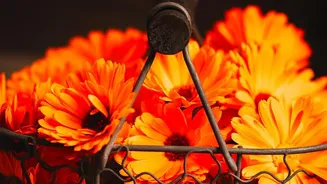
Also known as pot marigold, Calendula is one of the most forgiving winter flowers, making it perfect for novice gardeners. It produces beautiful daisy-like flowers in sunny shades of orange and yellow that open wide in the sun. The best season to grow Calendula in India is from October to February. The seeds are large and germinate quickly, often producing blooms within two months. This hardy plant prefers a sunny spot and can handle average soil, requiring only moderate watering. Its petals are also edible and have been traditionally used in teas and salads.