

An Aesthetic of Authenticity
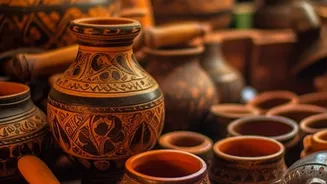
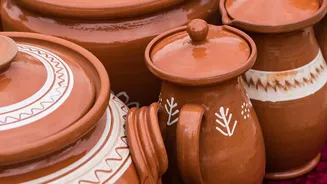
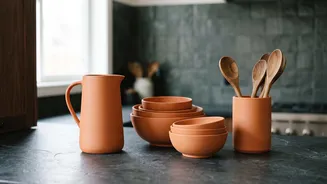
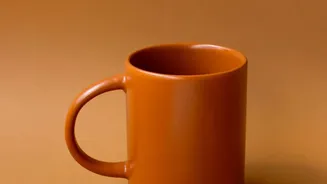
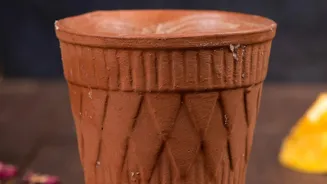
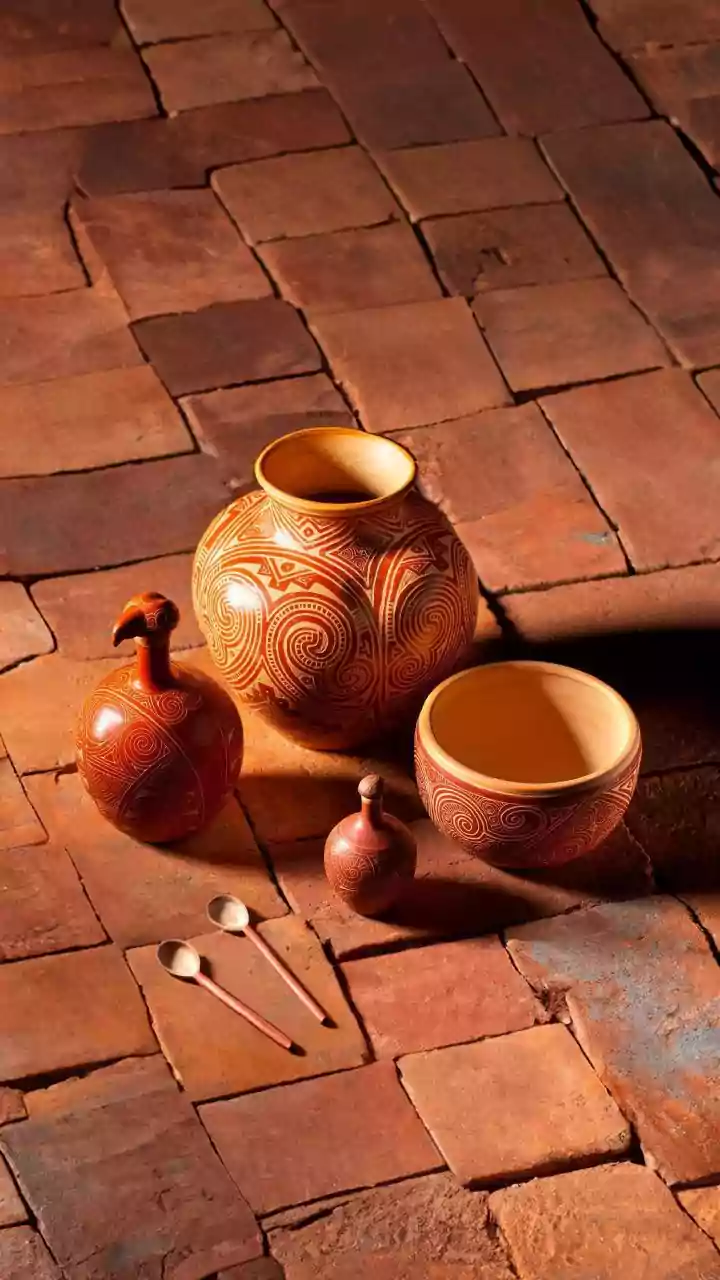
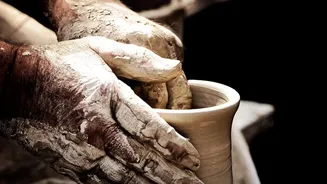
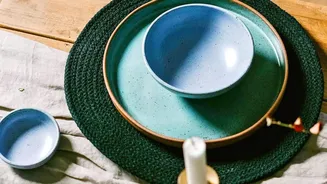
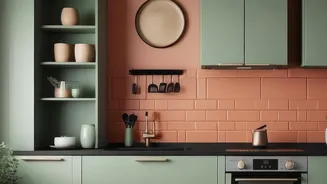
The turn to terracotta is, first and foremost, a visual one. For a generation that values authenticity, the rustic, unrefined charm of terracotta offers a welcome contrast to the uniform gloss of plastic. Its warm, reddish-brown hue adds an organic and inviting
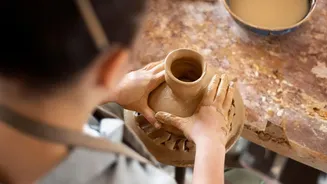
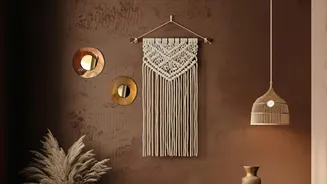
feel to kitchens and living spaces, fitting perfectly with popular design trends like 'cottagecore' and biophilic design, which seeks to connect inhabitants with nature. Each handcrafted terracotta piece has a unique character, telling a story that mass-produced plastic simply cannot. This desire for a raw, natural, and warm atmosphere in the home is a significant driver, moving away from sterile, identical products toward items with texture and a sense of history.
A Conscious Choice for Sustainability
Gen Z is arguably the most environmentally conscious generation of consumers. Their purchasing decisions are often a reflection of their values, and the choice between terracotta and plastic is a clear example. Terracotta is made from natural clay, an abundant resource. When produced responsibly, it has a smaller environmental footprint. At the end of its life, an unglazed terracotta pot is biodegradable, meaning it can break down and return to the earth. Plastic, on the other hand, is derived from fossil fuels, contributes to landfill waste for centuries, and raises concerns about microplastic pollution. For many young decorators, choosing terracotta is a small but meaningful vote for a more sustainable planet.
Health and Wellness in the Kitchen
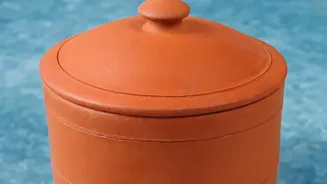
Beyond aesthetics and ethics, health is a major factor. Growing awareness about the potential dangers of plastics, especially when heated, has led many to seek safer alternatives. Concerns over chemicals like BPA leaching from plastic containers into food are steering consumers toward natural materials. Terracotta is non-toxic and free from volatile organic compounds (VOCs), making it a safer choice for cooking, storing, and serving food. Its porous nature is also a benefit; it can help regulate humidity, and some traditional practices suggest it can even neutralize the acidity of food, making it easier to digest. Using terracotta for storing water is also an ancient practice, prized for its natural cooling and filtration properties.
Functionality That Enhances Flavor
The practical benefits of terracotta are being rediscovered. As a porous material, it allows for the circulation of air and moisture, which has several advantages. In cooking, this leads to even heat distribution, which can result in more tender, flavorful dishes that retain their natural nutrients. Less oil is often needed for cooking in clay pots because the vessel's natural moisture helps cook the food. For storage, this same breathability is ideal. It helps keep garlic and onions from spoiling and is the secret behind the perfect texture of dishes like 'mishti doi' (sweetened yogurt), which is traditionally set in terracotta pots. This ancient material proves that sometimes the old ways are better, offering functional benefits that modern materials often overlook.