

The Rise of the Winter Wanderer
The transformation of India's winter tourism landscape has been nothing short of dramatic. While seasoned mountaineers have always respected the challenges of the Himalayas in winter, the activity was largely considered niche. Today, thousands of first-time
and amateur trekkers are swapping beach holidays for the crisp air and pristine white canvases of the mountains. This boom isn't accidental; it's the result of a perfect storm of factors. A growing hunger for authentic experiences, a desire to escape crowded cities, and a collective shift towards domestic travel have all played a part. The experience offers a unique combination of physical challenge and mental rejuvenation, a stark contrast to the passive nature of many conventional holidays. Trekkers find that the silence of a snow-covered forest and the thrill of reaching a summit provide a powerful sense of accomplishment.
Social Media's 'Insta-Worthy' Influence
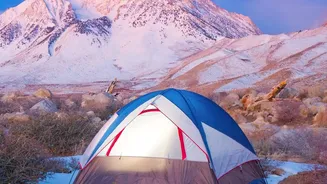
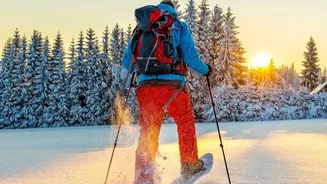
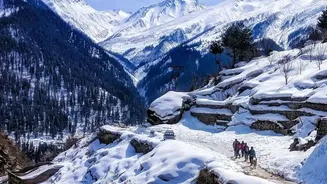
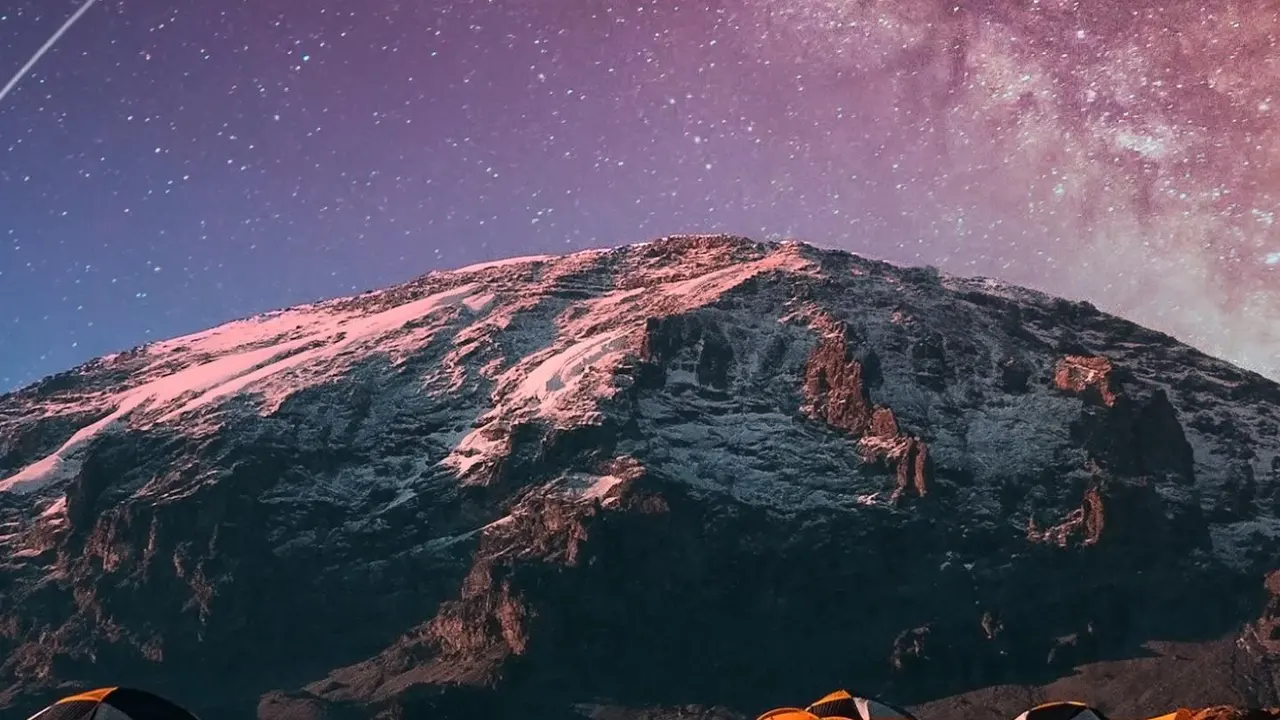
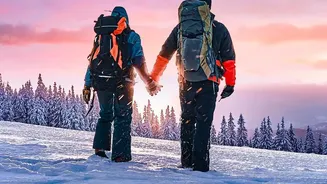
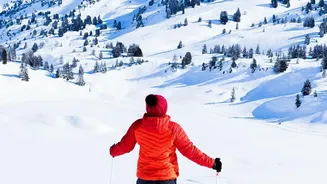
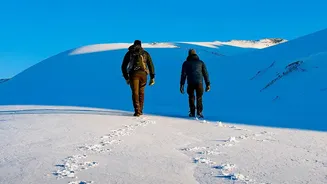
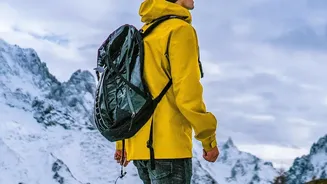
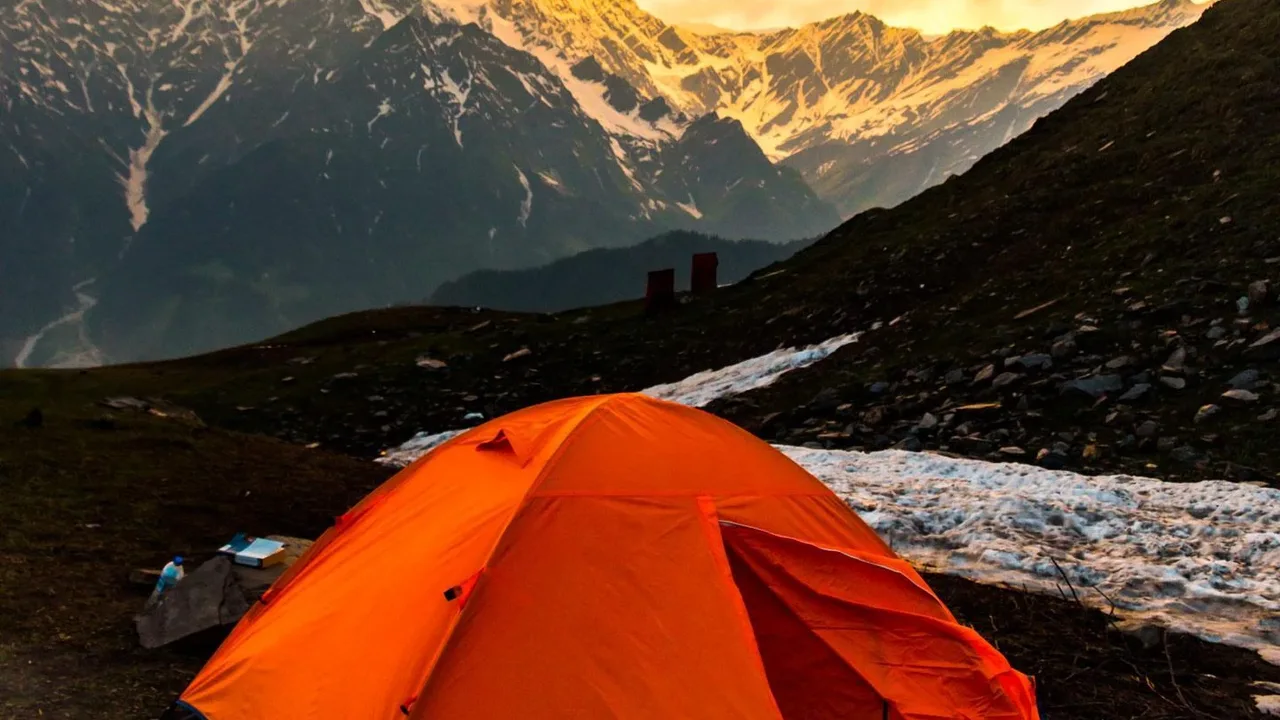
A huge driver behind the trend is the visual power of social media. Platforms like Instagram and YouTube have become virtual catalogues for breathtaking winter landscapes. Photos of trekkers standing against a backdrop of shimmering white peaks, camping beside frozen alpine lakes like Juda Ka Talab, or walking through pine forests heavy with snow have created a powerful allure. This user-generated content, shared by both professional influencers and everyday travellers, acts as a powerful, authentic advertisement. Seeing friends or peers undertake these adventures demystifies the experience, making it seem attainable and highly desirable. The narrative has shifted from seeing winter mountains as harsh and inaccessible to viewing them as magical, 'insta-worthy' playgrounds.
Accessibility Is the New Mantra
Perhaps the most significant factor is the emergence of accessible, well-managed treks. Treks like Kedarkantha and Brahmatal in Uttarakhand have become superstars of the winter season precisely because they are rated 'easy-to-moderate'. These routes do not require technical mountaineering skills, making them perfect for beginners with a reasonable level of fitness. The trails are well-defined, and the daily trekking distances are manageable, typically ranging from 4 to 7 kilometres. Professional trekking companies have played a crucial role, offering all-inclusive packages that handle logistics, safety, food, and expert guidance. This removes major barriers to entry, allowing people who have never trekked before to confidently sign up for a high-altitude adventure reaching up to 12,500 feet.
A Different Kind of Thrill
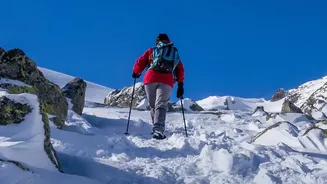
Winter trekking offers a challenge that is profoundly different from its summer counterpart. The environment itself becomes an obstacle to overcome. Trekkers learn to navigate snowy or icy patches, sometimes using microspikes for grip, and manage their bodies in sub-zero temperatures that can dip below -10°C at night. This added layer of difficulty brings a greater sense of reward. The solitude is another major draw. With fewer crowds than in peak summer months, winter trails offer a more serene and immersive connection with nature. The landscape is stripped down to its essential elements—snow, rock, and sky—creating a stark and powerful beauty that many find more profound than the lushness of summer.
Preparing for the Cold
While the adventure is accessible, it is not without its demands. Proper preparation is non-negotiable for a safe and enjoyable experience. The key is layering correctly: a moisture-wicking base layer to keep sweat off the skin, an insulating mid-layer like fleece or a down jacket, and a waterproof and windproof outer shell. Special attention must be paid to extremities; insulated gloves, woollen socks, and a warm cap or balaclava are essential to prevent heat loss. Trekking companies emphasize the importance of hydration, as the cold, dry air can dehydrate the body quickly. Carrying an insulated flask with warm water is a common and effective practice. Ultimately, the right gear and a resilient mindset are the two most critical tools for any aspiring snow trekker.