

A Return to Wild Flavours
The Indian monsoon does more than just bring relief from the summer heat; it transforms the landscape into a forager's paradise. This year, a noticeable trend is bubbling up in kitchens across the country: a renewed passion for wild mushrooms. These are
not the cultivated button or oyster mushrooms available year-round; these are hyperlocal, ephemeral delicacies that appear for just a few weeks. From the forests of Jharkhand to the coast of Goa, food enthusiasts are rediscovering traditional ingredients, celebrating fungi that offer complex, earthy flavours that simply cannot be replicated. This movement is a delicious nod to India’s rich biodiversity and a celebration of eating with the seasons.
Goa's Treasured Termite Hill Mushrooms
In Goa and along the Konkan coast, the most sought-after monsoon delicacy is the 'Roen Olmi'. These remarkable mushrooms are a species of Termitomyces, meaning they grow exclusively on termite hills. The termites cultivate the fungus, and the intense monsoon rains trigger them to sprout. Known for their meaty texture and deeply earthy taste, Olmi are a seasonal obsession. Traditionally, they are cooked into a fiery coconut-based curry, often called 'xacuti', serving as a perfect substitute for chicken. Home cooks today are experimenting with everything from simple sautés with chilli and turmeric to more elaborate preparations, sharing their finds and recipes with pride. Their fleeting availability and the fact that they can't be artificially cultivated makes them a true culinary gem.
Jharkhand's 'Vegetarian Mutton'
Meanwhile, in the Sal forests of Jharkhand and the Chota Nagpur plateau, the rains bring forth 'Rugda'. Resembling small, mud-caked pebbles, these mushrooms grow underground, making them difficult to forage. Local tribal communities have cherished them for centuries, and now their fame is spreading. Rugda is often called 'vegetarian mutton' for its incredibly meaty texture and rich, savoury flavour. It is a nutritional powerhouse, rich in protein and low in fat. Traditionally cooked in a spicy gravy similar to a meat curry, home chefs are now embracing it for its unique properties. Despite commanding high prices in local markets—sometimes starting at ₹2,000 per kilogram at the beginning of the season—its popularity endures as a beloved regional staple that cannot be cultivated in a lab.
The Famed Gucchi of the Himalayas
While not strictly a monsoon mushroom in the same vein as Olmi or Rugda, the famed Gucchi, or morel mushroom, is another wild fungus that captures the imagination of Indian chefs. Foraged from the Himalayan foothills, these honeycombed mushrooms are one of the most expensive in the world. They are prized for their smoky, earthy flavour and are a celebrated ingredient in Kashmiri cuisine. A classic preparation that home cooks are increasingly trying is the Gucchi Pulao, where the soaked mushrooms lend their intense aroma to fragrant basmati rice. Other preparations include rich, yogurt-based curries that highlight the mushroom's unique texture and taste.
A Note on Safe and Smart Foraging
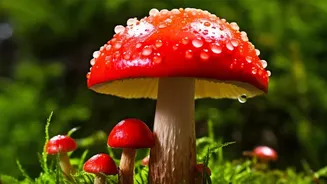
The growing enthusiasm for wild mushrooms is exciting, but it comes with an important word of caution. Foraging requires deep, generational knowledge, as many edible varieties have poisonous look-alikes. A small mistake in identification can lead to serious health issues, including gastrointestinal distress or even liver and kidney damage. The toxins in some poisonous mushrooms, like the deadly Amanita species, are not destroyed by cooking. Therefore, the golden rule for any home chef is simple: if you are not an expert, do not pick your own. Instead, enjoy this seasonal bounty by purchasing from trusted and knowledgeable local vendors who have been handling these mushrooms for generations.