





Why Monsoon Travel Needs a Plan
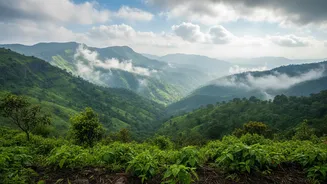
The Independence Day holiday often creates a long weekend, making it a peak time for short trips and staycations. Families and young professionals alike look to escape the city for nearby hills, beaches, or quiet towns. While the image of enjoying lush,
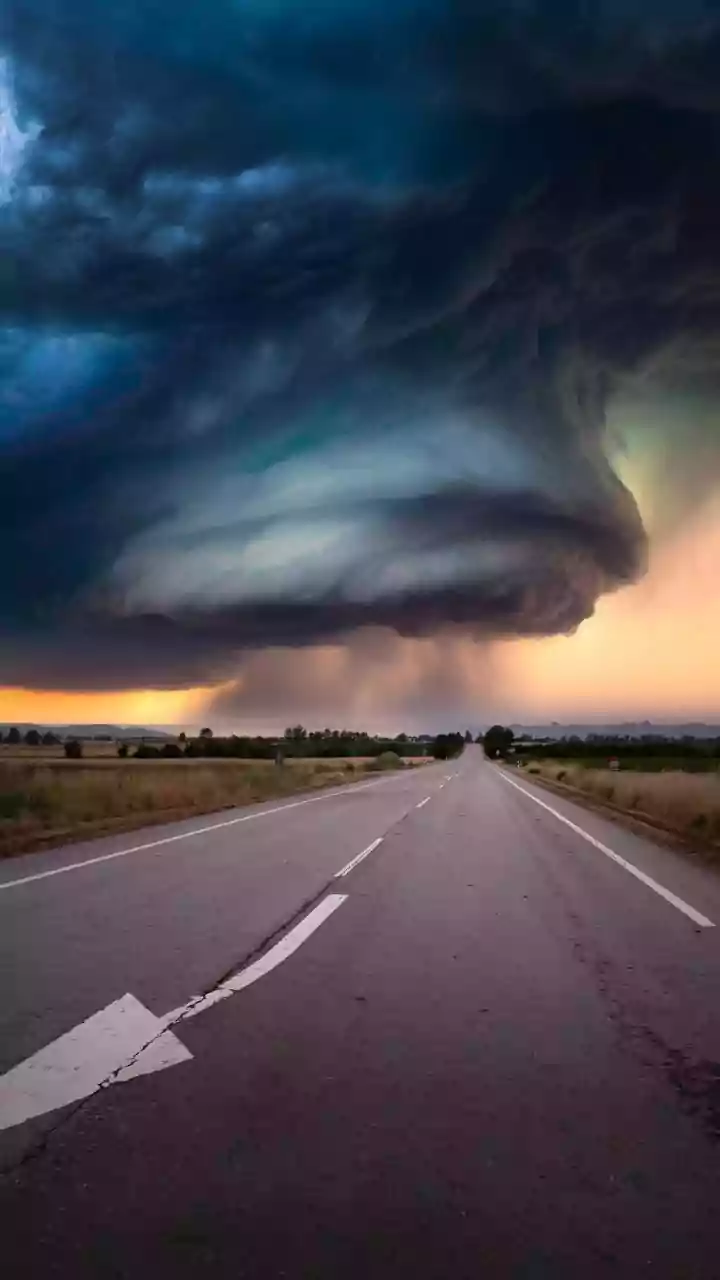
rain-washed landscapes is romantic, the reality of monsoon travel can be challenging. The season brings not just scenic beauty but also the risk of waterlogged roads, flash floods, landslides, and significant travel disruptions. Planning a trip during this period without checking the weather is a gamble. Proactive monitoring isn't just about avoiding a downpour; it's a fundamental safety measure to prevent getting stranded or facing hazardous conditions on the road.
Your Digital Weather Toolkit
Fortunately, tracking the weather has never been easier. The most reliable source in India is the government's own India Meteorological Department (IMD). Its official 'Mausam' app provides forecasts, radar images, and district-wise warnings. It is considered one of the most accurate tools for tracking the Indian monsoon. Another highly-regarded Indian app is Skymet Weather, which uses a vast network of automatic weather stations to provide detailed forecasts. For those who prefer a global option, AccuWeather is also known for its reliable predictions in Indian cities. These apps offer everything from hourly updates to 14-day forecasts, helping you plan your journey with confidence.
Decoding the IMD's Colour-Coded Alerts
The IMD uses a simple colour-coded system to issue warnings, making it easy for everyone to understand the potential severity of the weather. Knowing what these colours mean is essential for any traveller. A 'Green' alert means all is well with no advisory needed. A 'Yellow' alert serves as a 'watch' or 'be aware' signal, indicating that weather could change and disrupt daily activities. An 'Orange' alert means 'be prepared,' as it warns of extremely bad weather that could disrupt travel and power supply. The highest warning is a 'Red' alert, which means 'take action.' This is issued for extremely heavy rainfall with a high risk of flooding and damage, and authorities may advise against travel.
On-the-Road Monsoon Safety
Beyond tracking alerts, practical preparations for your vehicle and journey are vital. Before you leave, ensure your car’s wipers, tyres, and brakes are in excellent condition. Tyre tread is especially important for maintaining grip on wet roads. While driving, reduce your speed significantly—experts recommend staying below 60 km/h in wet conditions. Always keep your low-beam headlights on for better visibility, not just for you but for other drivers to see you. Maintain at least double the usual distance from the vehicle in front, as braking distances increase dramatically on wet surfaces. If you encounter a waterlogged street, it's best to find an alternative route rather than risk engine damage.
Smart Packing for a Rainy Getaway
Packing correctly can make a world of difference. Opt for lightweight, synthetic clothes that dry quickly. A reliable raincoat, umbrella, and waterproof footwear with good grip are non-negotiable. To protect your valuables, use waterproof bags or zip-lock pouches for electronics like your phone and camera, as well as important documents. It's also wise to carry a basic first-aid kit with medications for common ailments like colds and indigestion, along with an insect repellent. Having a fully charged power bank is also a good idea, as power cuts can be more frequent during heavy rains.